MetPublications
Showing 1–10 results of 289
Sort by:
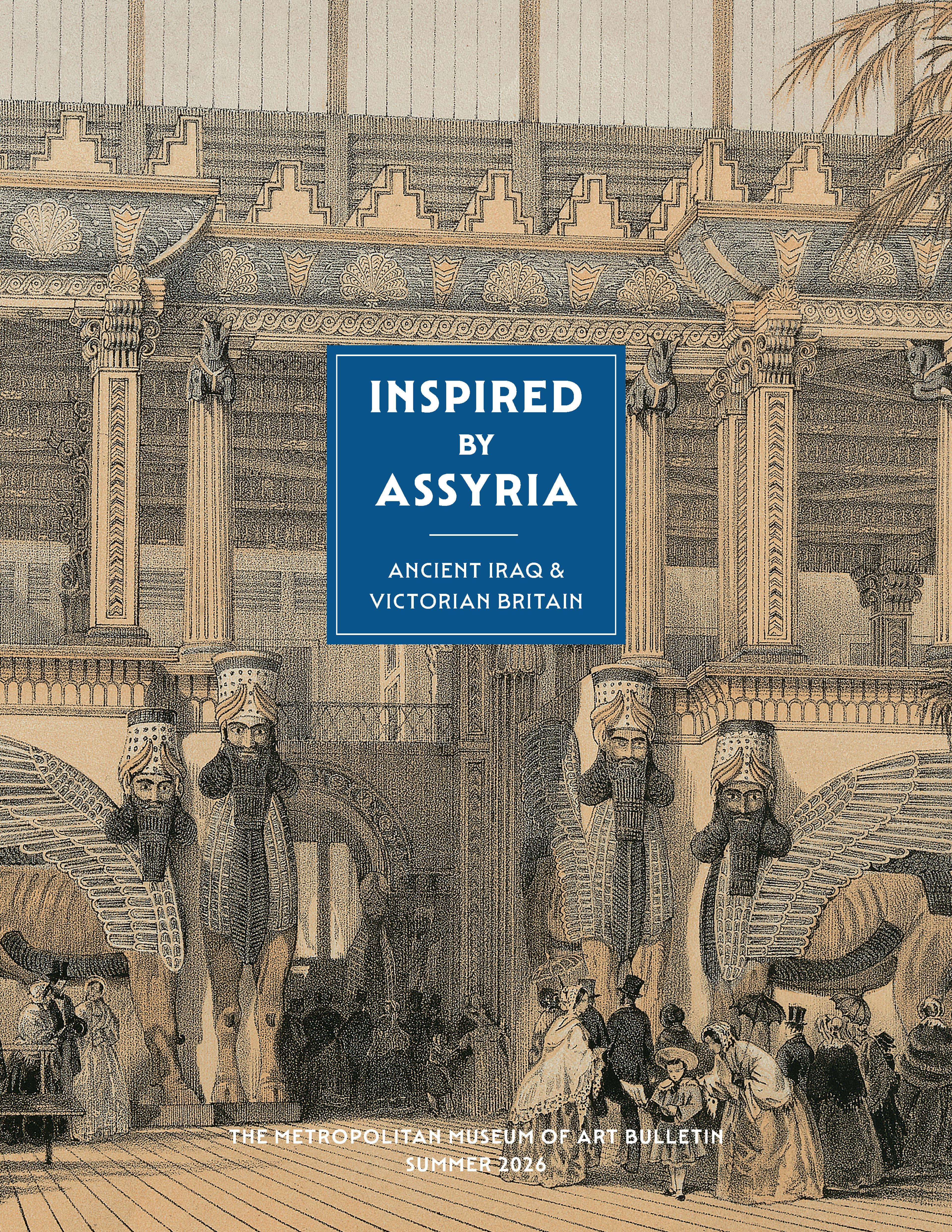 An interplay between artistic imagination, archeological information, and cultural exchange that illuminates how ancient art shapes our narratives and legacies.Download PDFFree to download
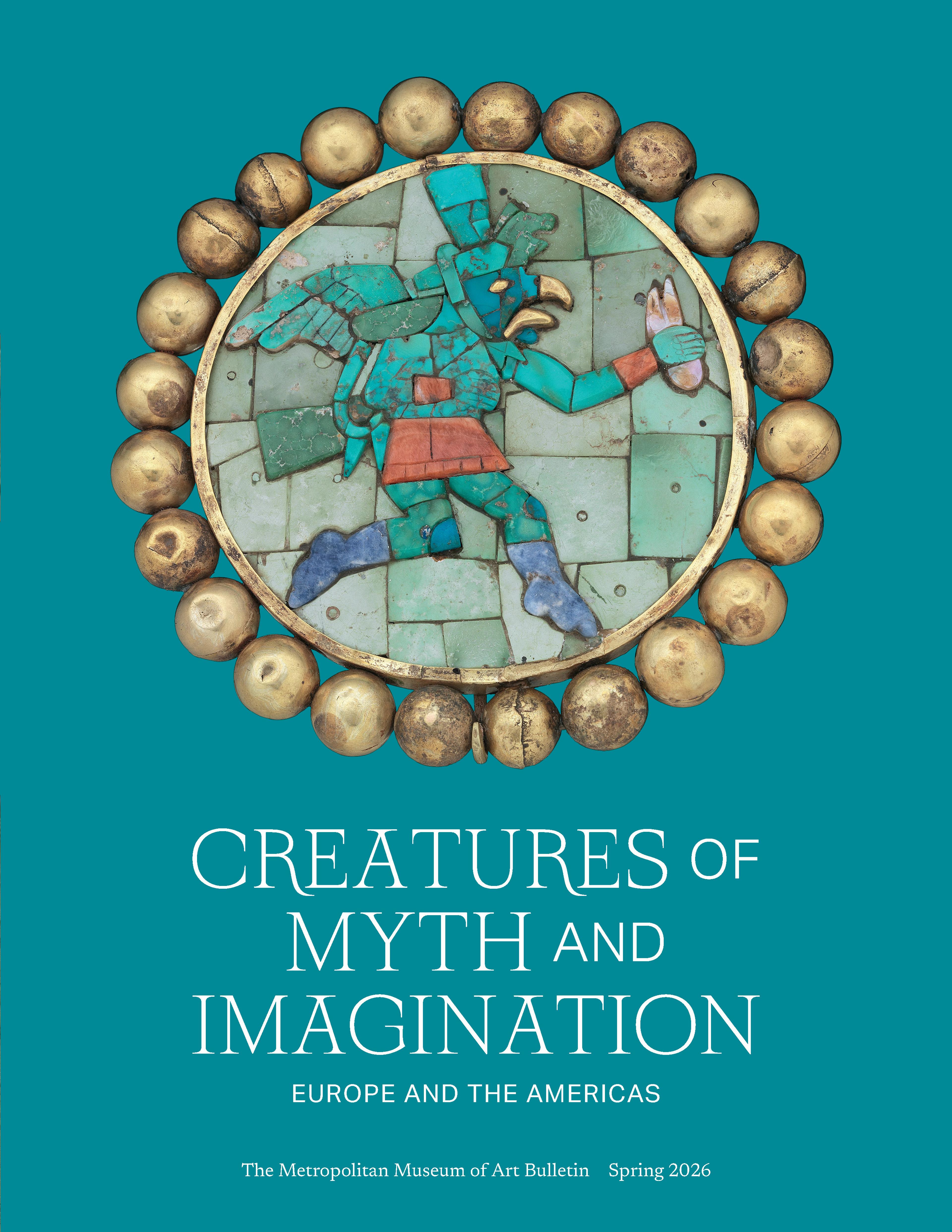 This volume considers the universe of mythical beasts formed by artists from the ancient Americas—Latin America before 1600—and western medieval Europe.Download PDFFree to download
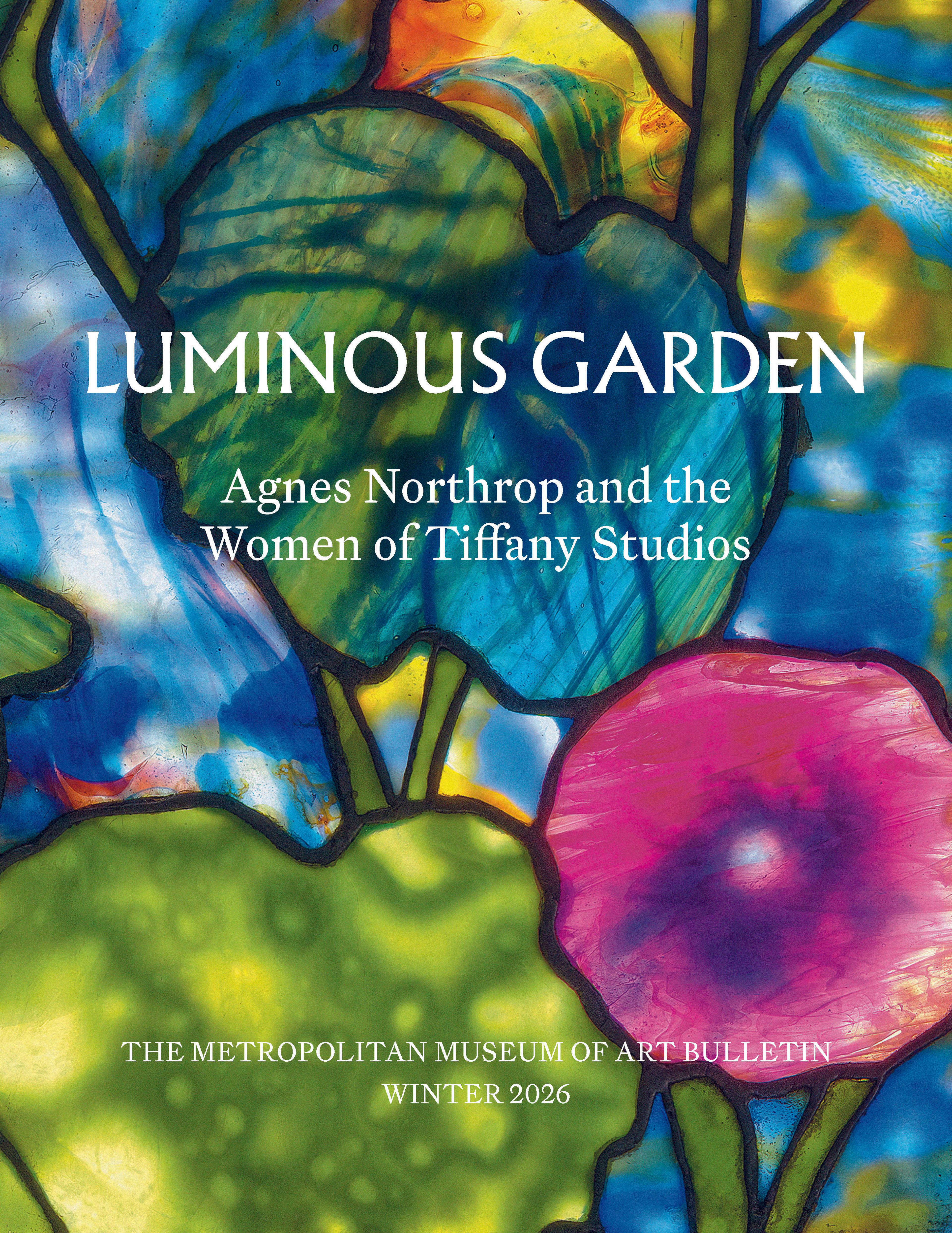 This Bulletin celebrates a masterpiece of American art—the magnificent Garden Landscape window, which foregrounds women’s contributions to the art of Tiffany.Download PDFFree to download
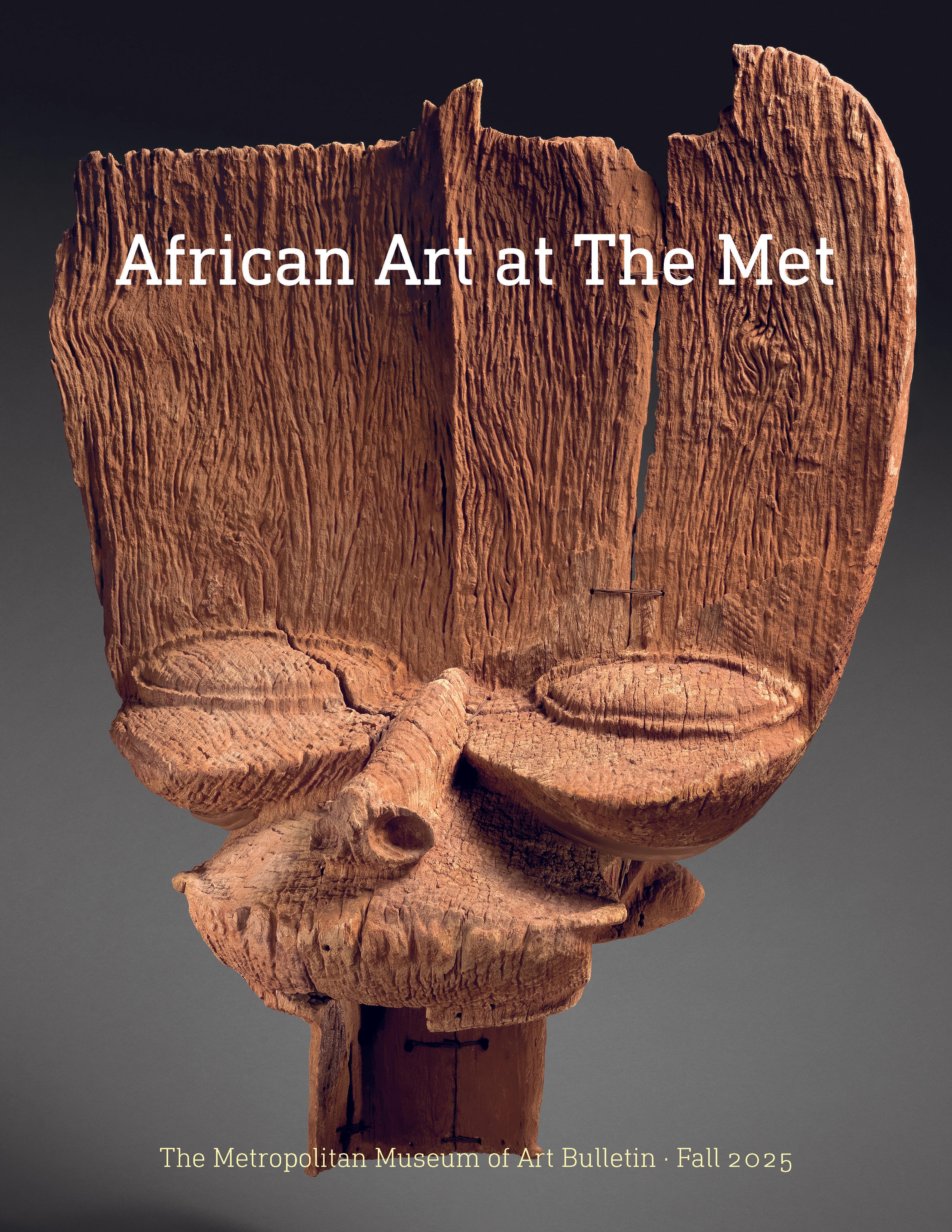 This Bulletin, celebrating the reopening of The Met's Michael C. Rockefeller Wing, reintroduces the Museum’s collection of art from sub-Saharan Africa.Download PDFFree to download
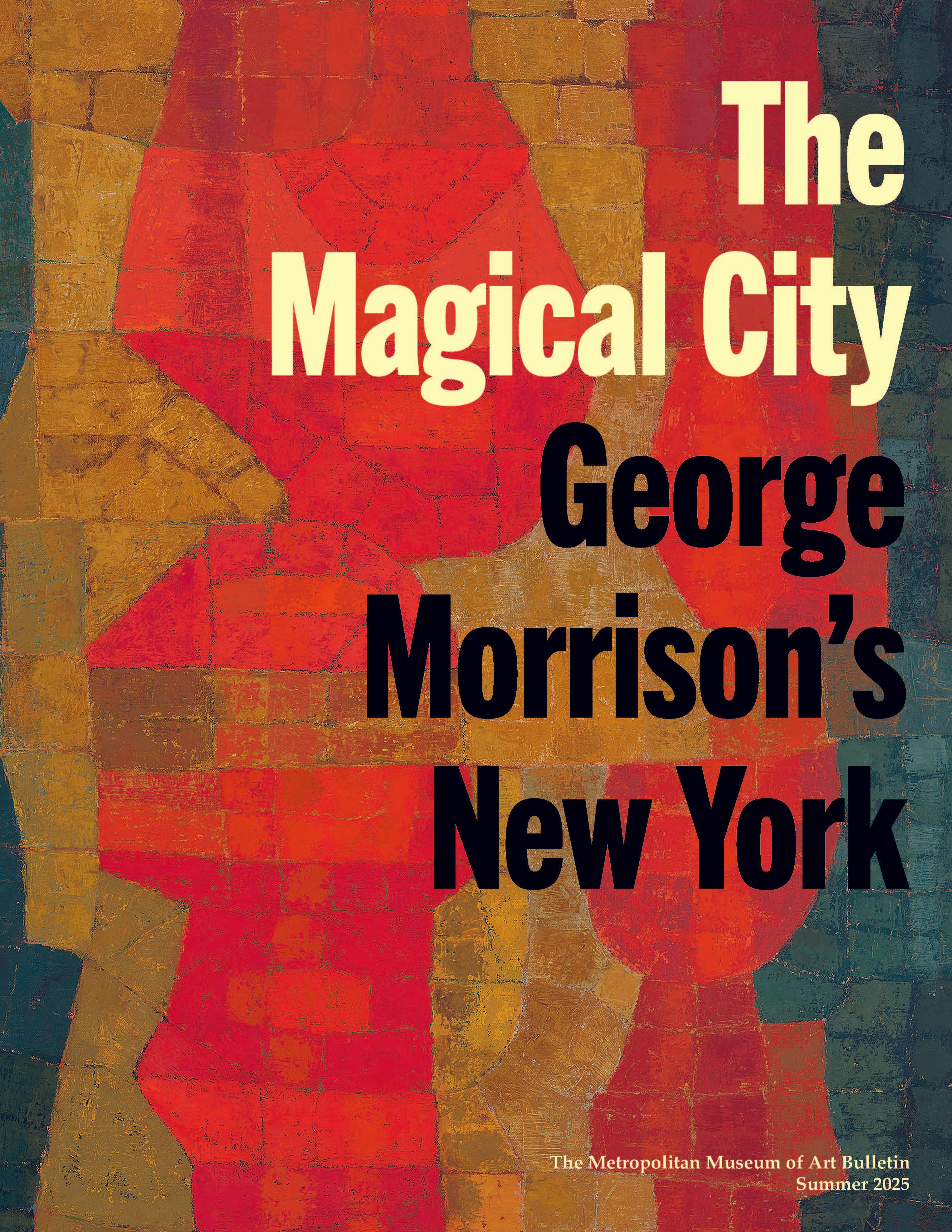 Explores George Morrison’s role in the development of Abstract Expressionism in the United States.Download PDFFree to download
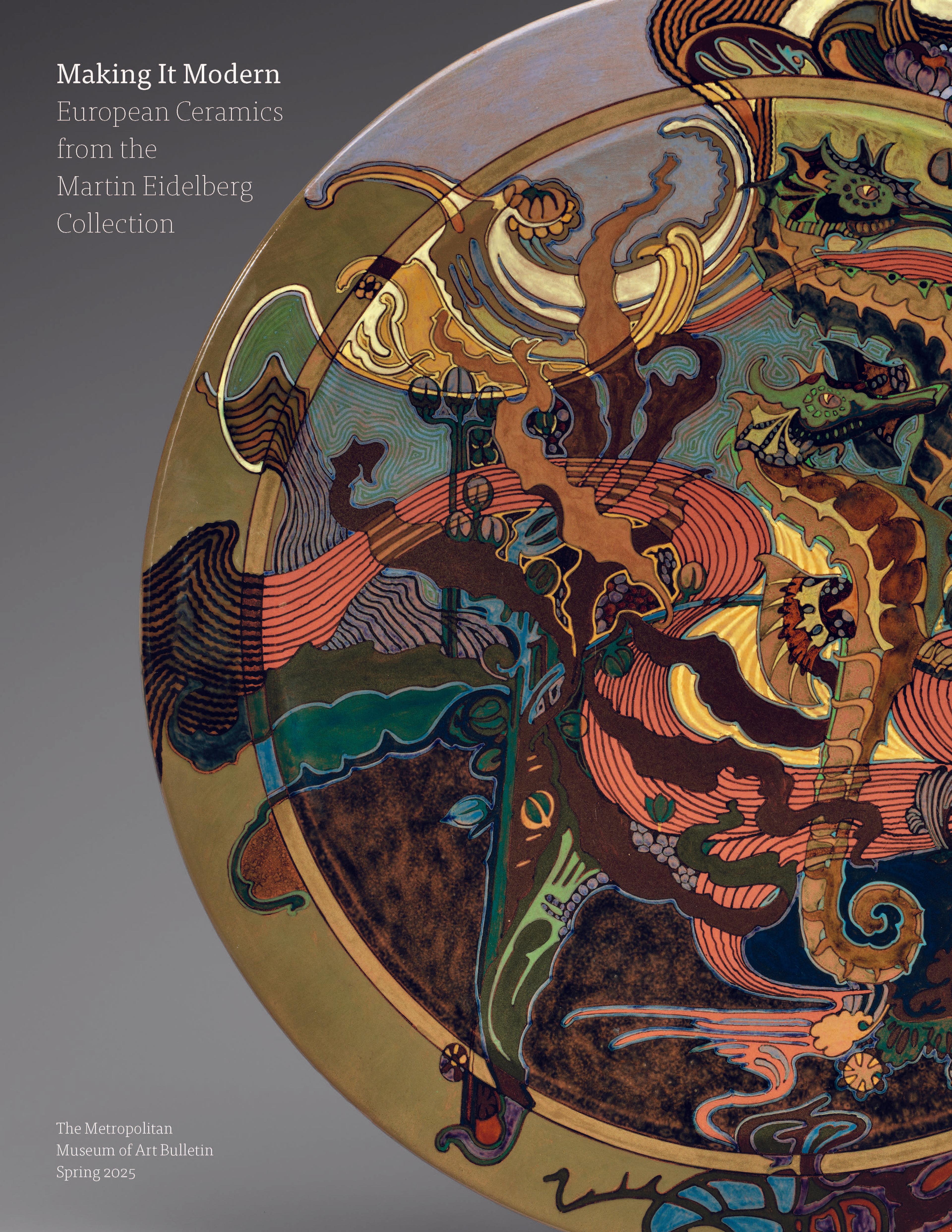 In the late nineteenth and early twentieth centuries, budding discourse on what it meant to be “modern” prompted artists to develop work that felt both relevant and responsive to contemporary life. This richly illustrated edition of the Bulletin explores the visual, conceptual, and technical experimentations of European ceramicists as they attempted to define a global language of modernism in stark contrast to earlier appeals to historical styles. Authors Sarah E. Lawrence and Jeffrey Munger illuminate the broad range of technical and creative influences—including Asian ceramic traditions, European design movements, and nature—that inform the more than fifty works included in this volume, part of a remarkable gift by collector Martin Eidelberg. Professor Eidelberg contributes an essay on the proliferation of natural imagery in the aesthetics of the period. A fascinating and focused exploration of design history, Making it Modern offers a closer look at dozens of astonishingly creative ceramics and reflects on how the aspiration to create works that link the past to a vibrant future has continued resonance today.Download PDFFree to download
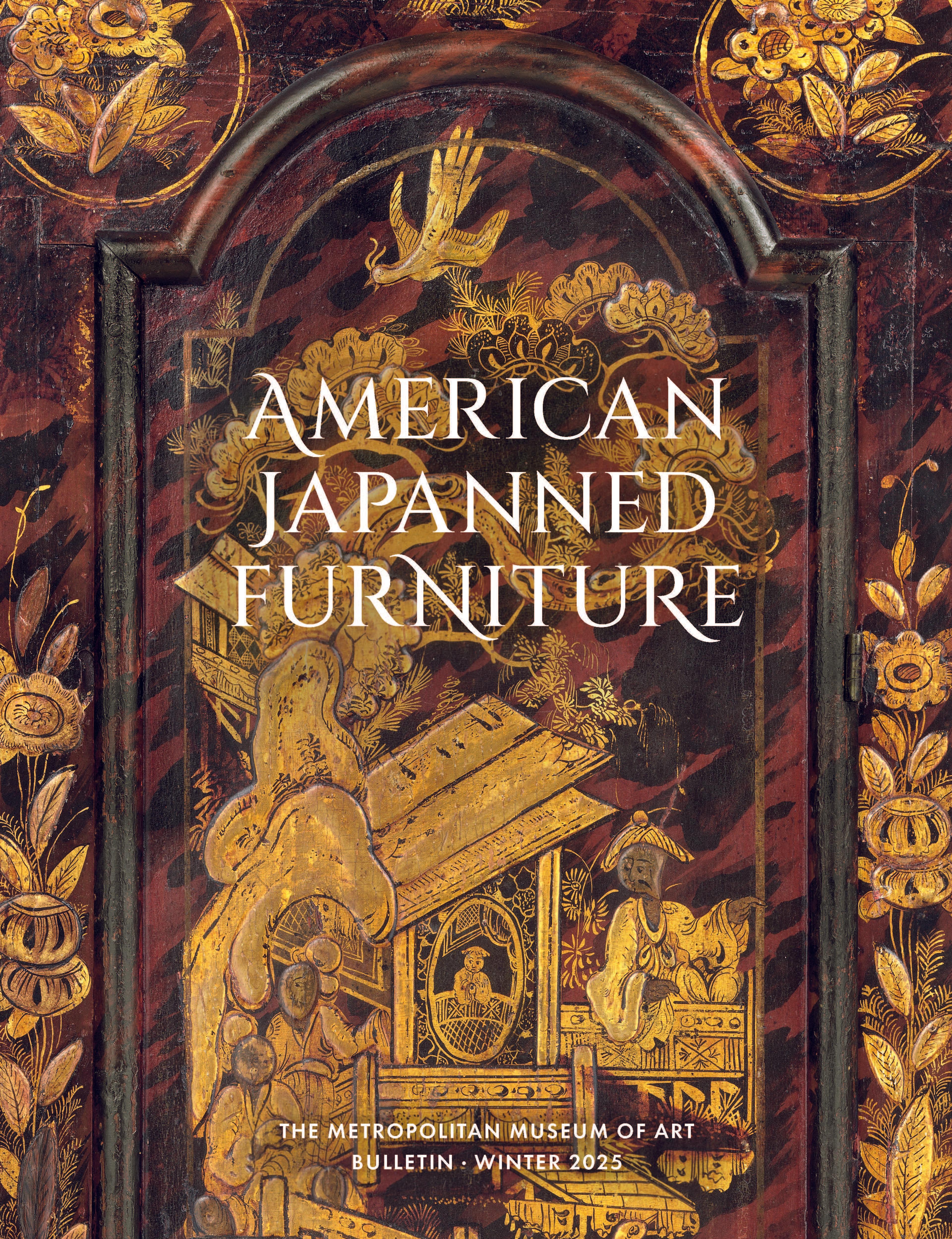 As European and American interest in Asian art grew in the sixteenth to eighteenth centuries, Western consumers coveted expensive lacquerware for its gloss, durability, and rich ornament. This edition of the Bulletin examines the evolving discourse surrounding japanned furniture, an artform cultivated by European and North American tradesmen that was inspired by luxury lacquer items from China and Japan. Using resin from native conifers or imported sandarac, copal, and shellac, they imitated the medium and the motifs used in traditional lacquer objects. Featuring more than a dozen examples of japanned chests, tables, and mirrors, American Japanned Furniture discusses the works’ patronage and aesthetic origins while also uncovering a new artistic attribution to Thomas Johnston for key examples in The Met’s Collection– a discovery which not only sheds new light on Johnston’s work, but also helps shape a new understanding of the Museum’s japanned furniture.Download PDFFree to download
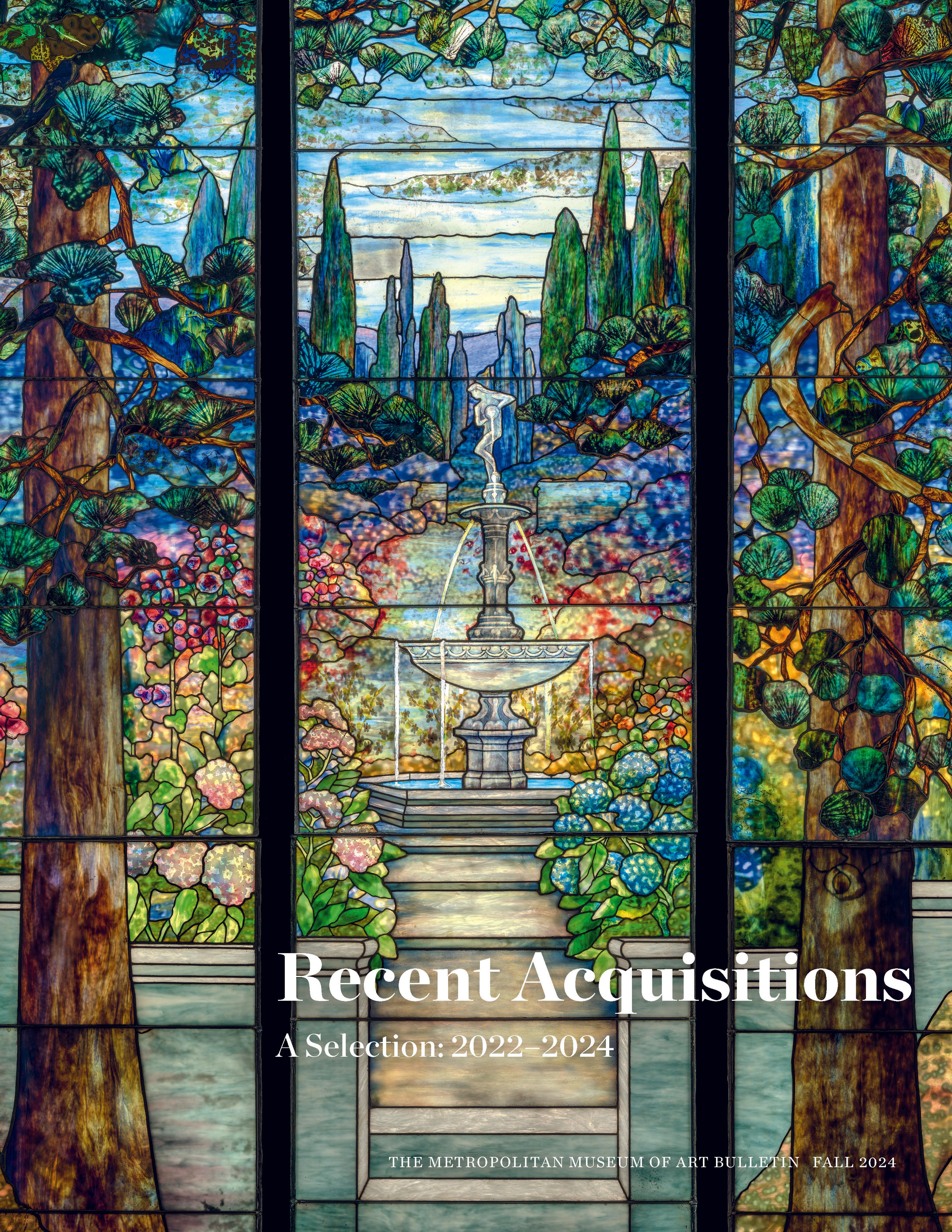 Every two years the fall issue of The Met's quarterly Bulletin celebrates notable recent acquisitions and gifts to the collection. Highlights of Recent Acquisitions 2022–2024 include the monumental handscroll painting Streams and Mountains without End, a masterwork by the Qing-dynasty painter Wang Yuanqi; the nineteenth century painting Bélizaire and the Frey Children which offers a rare depiction of an identified Black teenager with the children of his enslaver; Helene Schjerfbeck’s The Lace Shawl, which is a layered, dramatic portrait of the artist’s friend and landlady. Meanwhile, Leopoldo Méndez’s linocut depiction of the great Mexican printmaker José Guadalupe Posada expands the already distinguished collection of twentieth-century Mexican graphic arts in the Department of Drawings and Prints. This publication also honors the many generous contributions from donors that make possible the continued growth of The Met collection.Download PDFFree to download
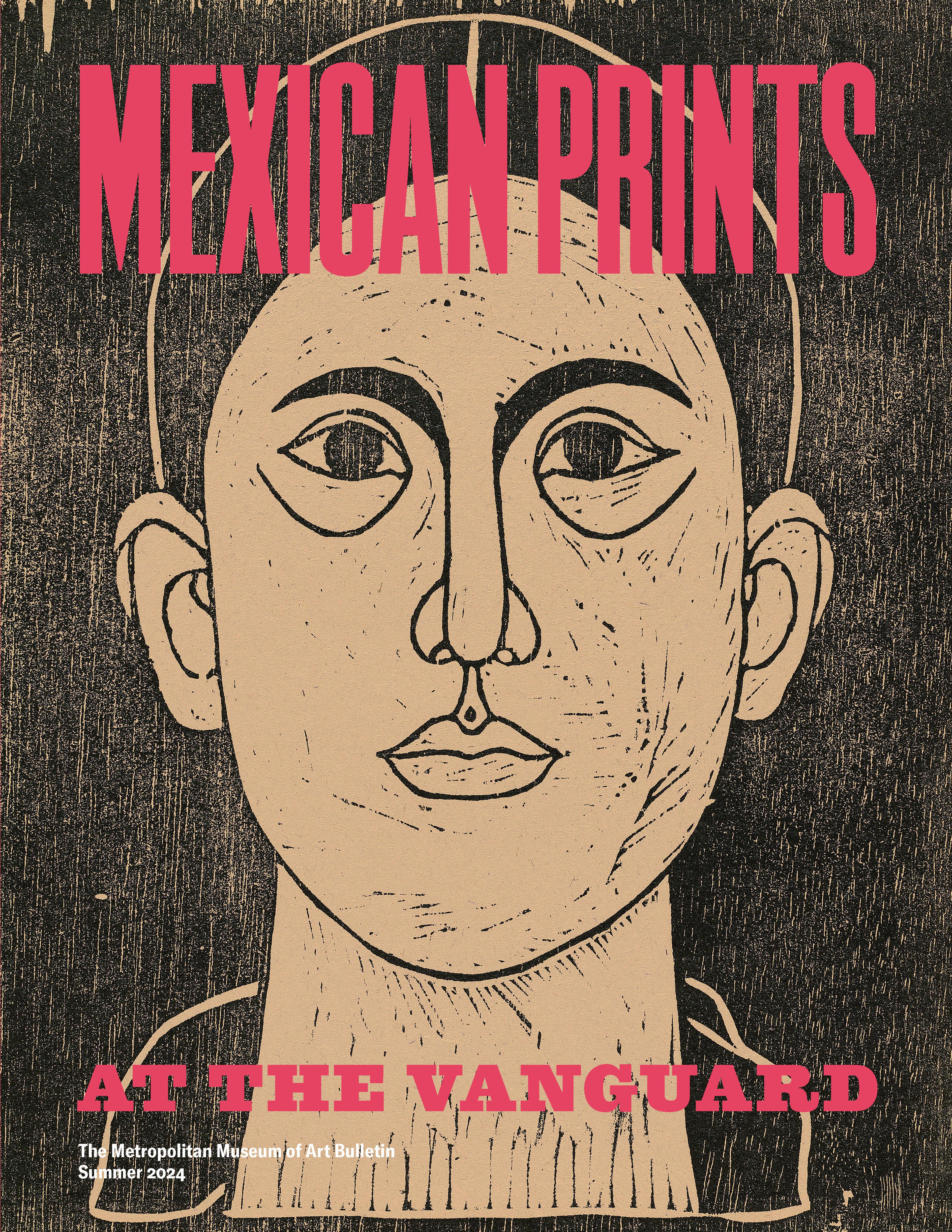 Featuring more than fifty works by artists such as José Guadalupe Posada, Diego Rivera, José Clemente Orozco, and Leopoldo Méndez, this issue of the Bulletin explores the rich artistic legacy of printmaking in Mexico from the mid-eighteenth to mid-twentieth century. Curator Mark McDonald traces the origins of The Met’s remarkable holdings of nearly two thousand Mexican prints first collected by the French-born artist Jean Charlot, who had been active in Mexico when the art form rose in prominence amid concerns of national identity following the Mexican Revolution (1910-1920). Highlighting a variety of styles and techniques, including silkscreen, letterpress, and woodcut, this vibrantly illustrated publication offers a richer understanding of Mexican prints through an analysis of how they were used as modes of political expression, education, and resistance in Mexico.Download PDFFree to download
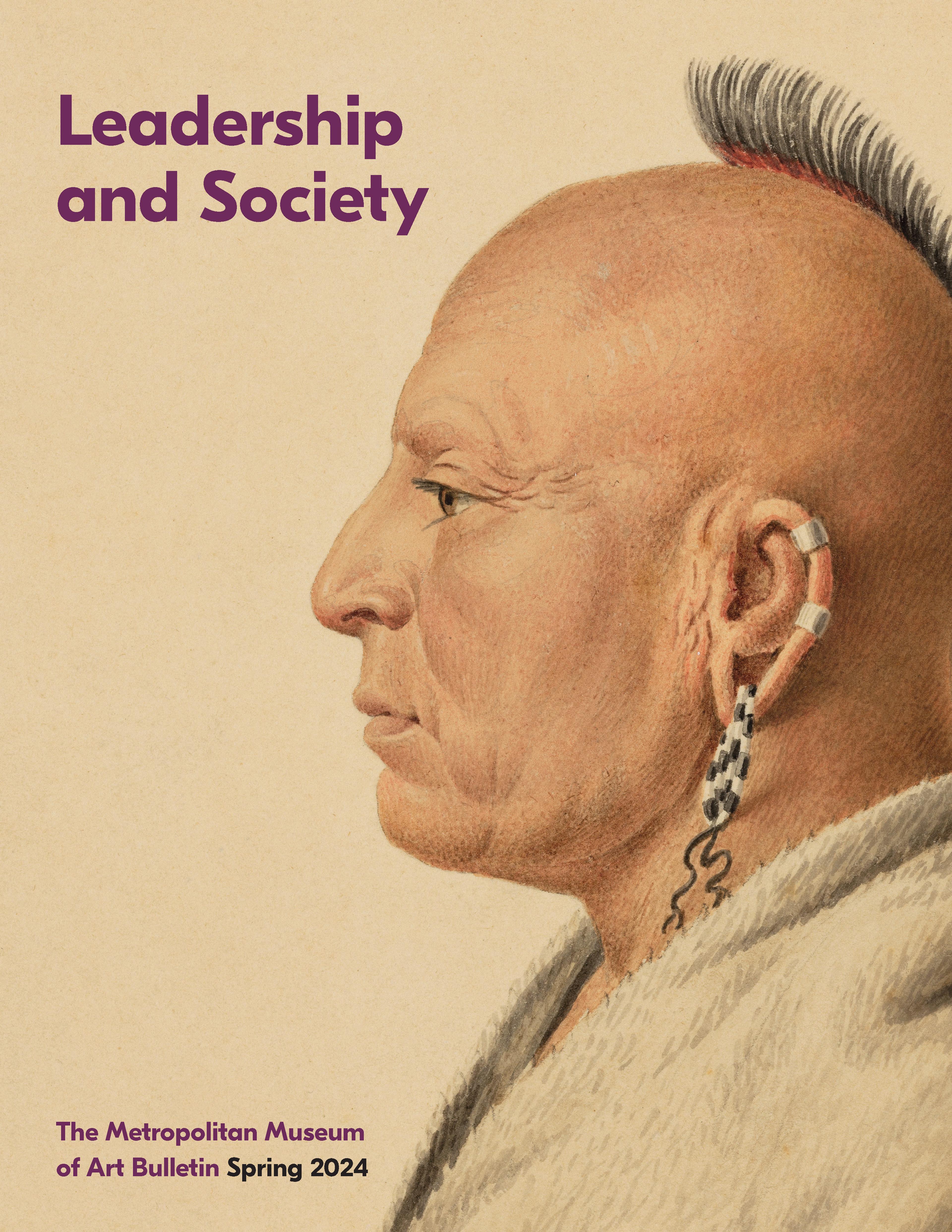 This timely issue of the Bulletin brings together fourteen voices from across curatorial departments and Met Trustees to consider how artists and cultures throughout history have explored the nature of leadership, interrogated the workings of society, and redefined the ideals of freedom and democracy. The essays in this issue center around one of three different themes: the ways societies are formed through collective collaboration, the symbols of leadership and civilization, and the images of leaders that commemorate, mythologize, or even obscure those who govern. By expanding worldviews and building bridges among disparate experiences, The Met plays a vital part in considering the definition of leadership and what it means to build a society. This volume asserts museums’ roles as keepers of histories and places of reflection and learning. As stewards of five thousand years of art from around the globe, The Met is privileged to preserve, share, and reevaluate the countless stories told by the objects in its collection while connecting them to the present day.Download PDFFree to download