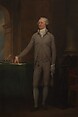
La sortita della guarnigione di Gibilterra
Artwork Details
- Titolo: La sortita della guarnigione di Gibilterra
- Artista: John Trumbull, Americano, 1756-1843
- Data: 1789
- Materiale e tecnica: Olio su tela
- Dimensioni: 1,8 x 2,72 m
- Crediti: Acquistato, lascito di Pauline V. Fullerton; donazioni di Mr. James Walter Carter e consorte e Mr. Raymond J. Horowitz e consorte; donazioni di Erving Wolf Foundation e Vain and Harry Fish Foundation Inc.; donazione di Hanson K. Corning, con permuta; e fondi Maria DeWitt Jesup e Morris K. Jesup, 1976
- Numero d'inventario: 1976.332
- Curatorial Department: The American Wing
Audio
4334. American Art: The Sortie Made by the Garrison of Gibraltar
More Artwork
Related Content

Research Resources
The Met provides unparalleled resources for research and welcomes an international community of students and scholars. The Met's Open Access API is where creators and researchers can connect to the The Met collection. Open Access data and public domain images are available for unrestricted commercial and noncommercial use without permission or fee.
To request images under copyright and other restrictions, please use this Image Request form.
Feedback
We continue to research and examine historical and cultural context for objects in The Met collection. If you have comments or questions about this object record, please contact us using the form below. The Museum looks forward to receiving your comments.
Content Notice
The Metropolitan Museum of Art presents over 5,000 years of art from around the world, and our online collection reflects ongoing work conducted over the course of our more than 150-year history. You may encounter objects or images that may be inappropriate for some viewers or information that may be outdated.