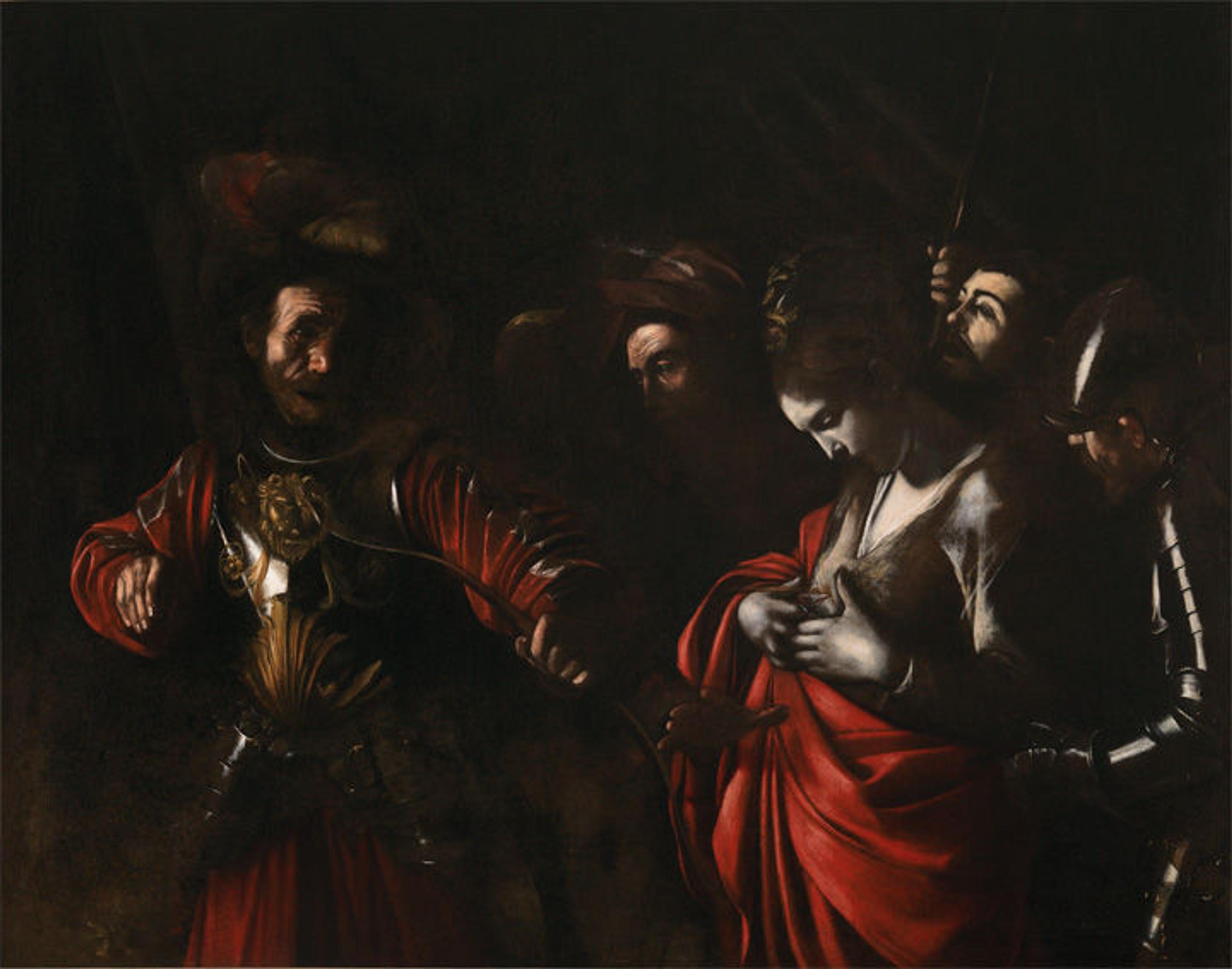
«The final days of Caravaggio's life is an amazing story—one fit for Hollywood, though it was the British filmmaker Derek Jarman who made the movie back in 1986.
On May 28, 1606, Caravaggio and three of his cohorts got into a brawl in Rome. The occasion was a tennis match, but there were likely gambling debts involved. Although Caravaggio was only wounded, he had killed one of his opponents and needed to flee Rome. For the next three years he was on the move: Naples; Malta (where he was inducted into the Order of the Knights of Malta before he got into more trouble, was imprisoned, and then escaped); Sicily (where he made altarpieces for Syracuse, Messina, and Palermo); and then back to Naples, where he arrived in the fall of 1609.»
It was in Naples that he hoped to receive word of a papal pardon that would allow him to return to Rome. Unfortunately the artist managed to create enemies wherever he went, and that October he was assailed outside a tavern (the Locanda del Cerriglio, which, remodeled, still exists) and his face slashed. Word of the incident traveled back to Rome, and the artist's supporters feared that he was dead.
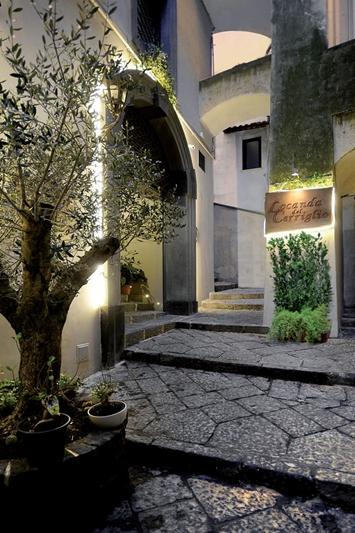
Left: Locanda del Cerriglio in Naples. Photo via www.infoturismonapoli.it
Little is known of what followed until May 1610, when the agent of the Genoese nobleman Marcantonio Doria wrote about a picture Caravaggio had finished that would be sent on to Doria. Its subject was the martyrdom of Saint Ursula, depicted in a fashion that astonished those who saw it. The picture was shipped to Genoa later that month and arrived on June 18.
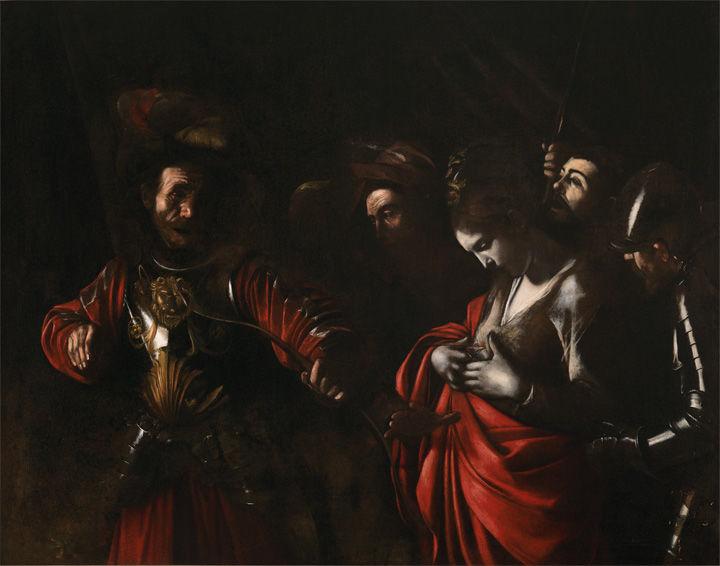
Caravaggio (Michelangelo Merisi) (Italian, 1571–1610). The Martyrdom of Saint Ursula, 1610. Oil on canvas, 56 1/3 x 70 7/8 in. (143 x 180 cm). Intesa Sanpaolo Collection, Gallerie d'Italia—Palazzo Zevallos Stigliano, Naples
The following month, Caravaggio set off in a boat (a felucca, which is modestly sized), only to be arrested in the port of Palo in a case of mistaken identity. By the time he was released, on payment, the boat had left to return to Naples—with the paintings he had brought with him to give to his Roman patrons! So, hotheaded as he was, he set out toward Porto Ercole beneath the raging July sun, and it was there that, on July 18, the artist died "as miserably as he had lived," to quote his arch-rival painter/biographer, Giovanni Baglione.
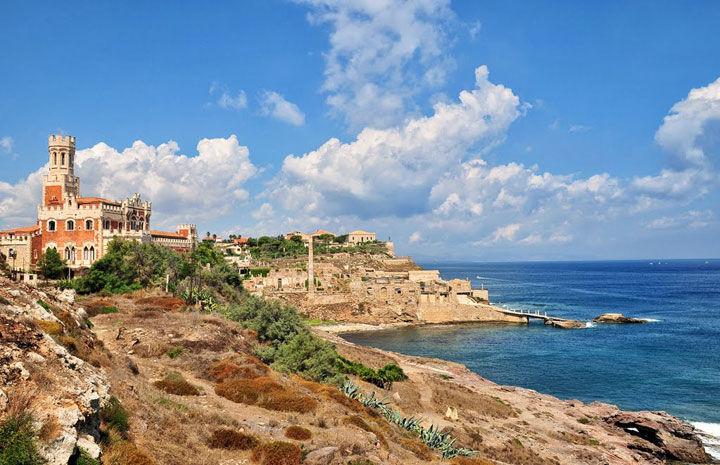
The port of Palo. Photo by Giuseppe di Pietrantonio via Panoramio
That last documented painting for Marcantonio Doria—The Martyrdom of Saint Ursula—is on view at The Met through July 9, 2017, in the exhibition Caravaggio's Last Two Paintings.


