MetPublications
1-10 of 148 results
Sort by:
Ways to read
Topic
Publication type
Met department1
1
Curatorial
Conservation
Other
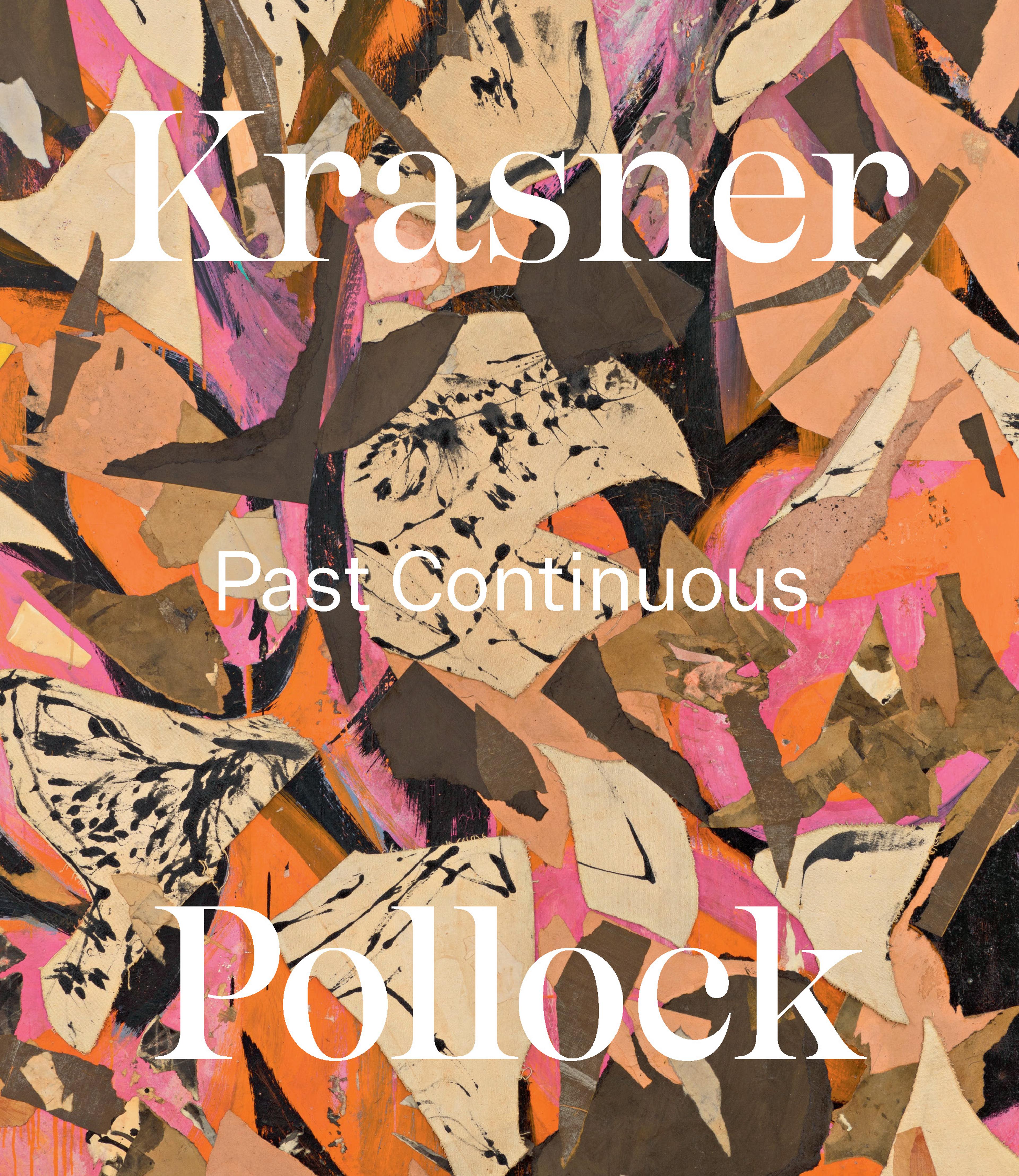 A survey of two icons of Abstract Expressionism that examines their distinct but connected careers and artistic legacies
 This collection of essays provides dynamic new perspectives on 100 works of art that span centuries of human creativity around the globe
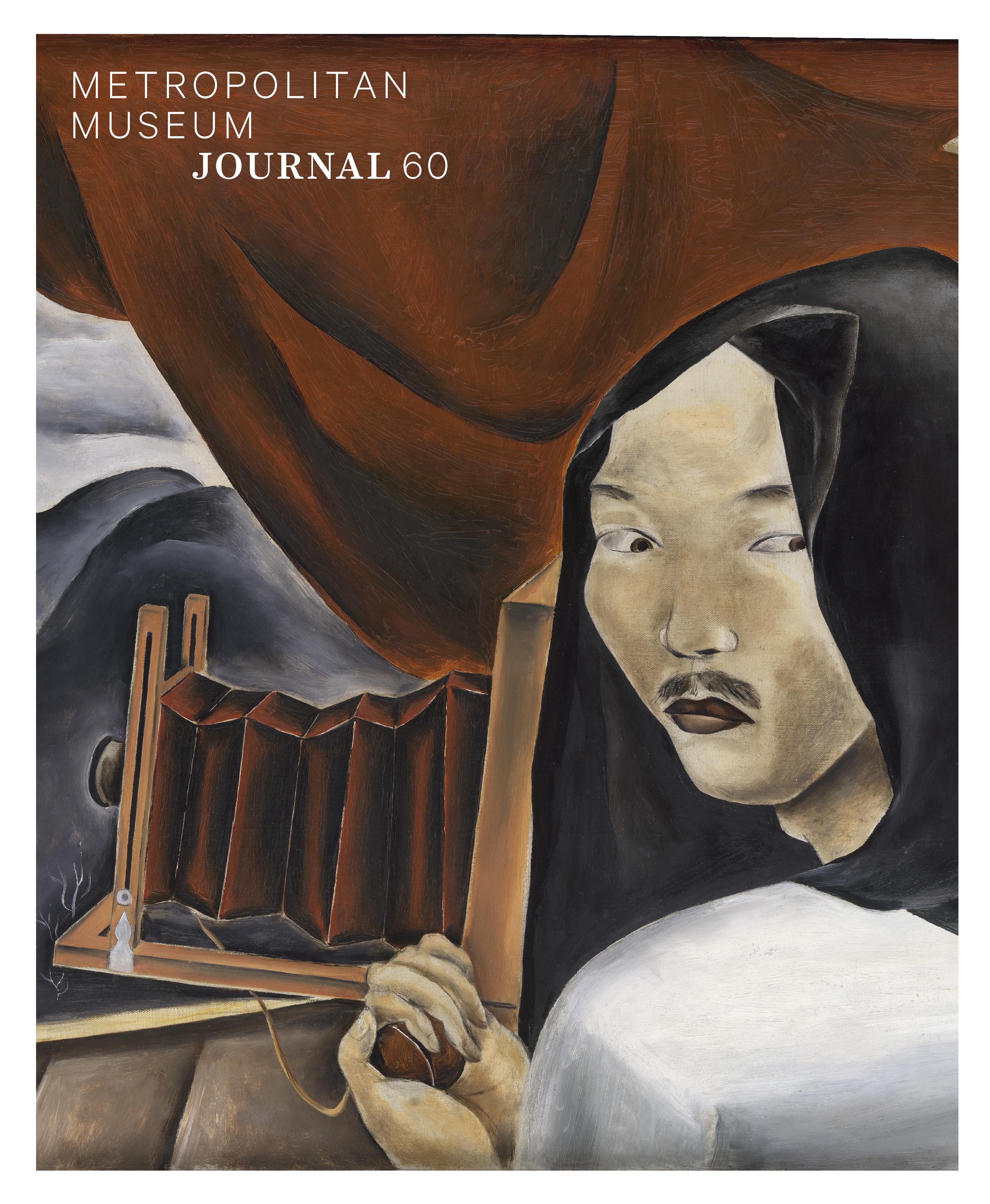 The Metropolitan Museum Journal is issued annually and publishes original research on works of art in the Museum’s collection.Download PDFFree to download
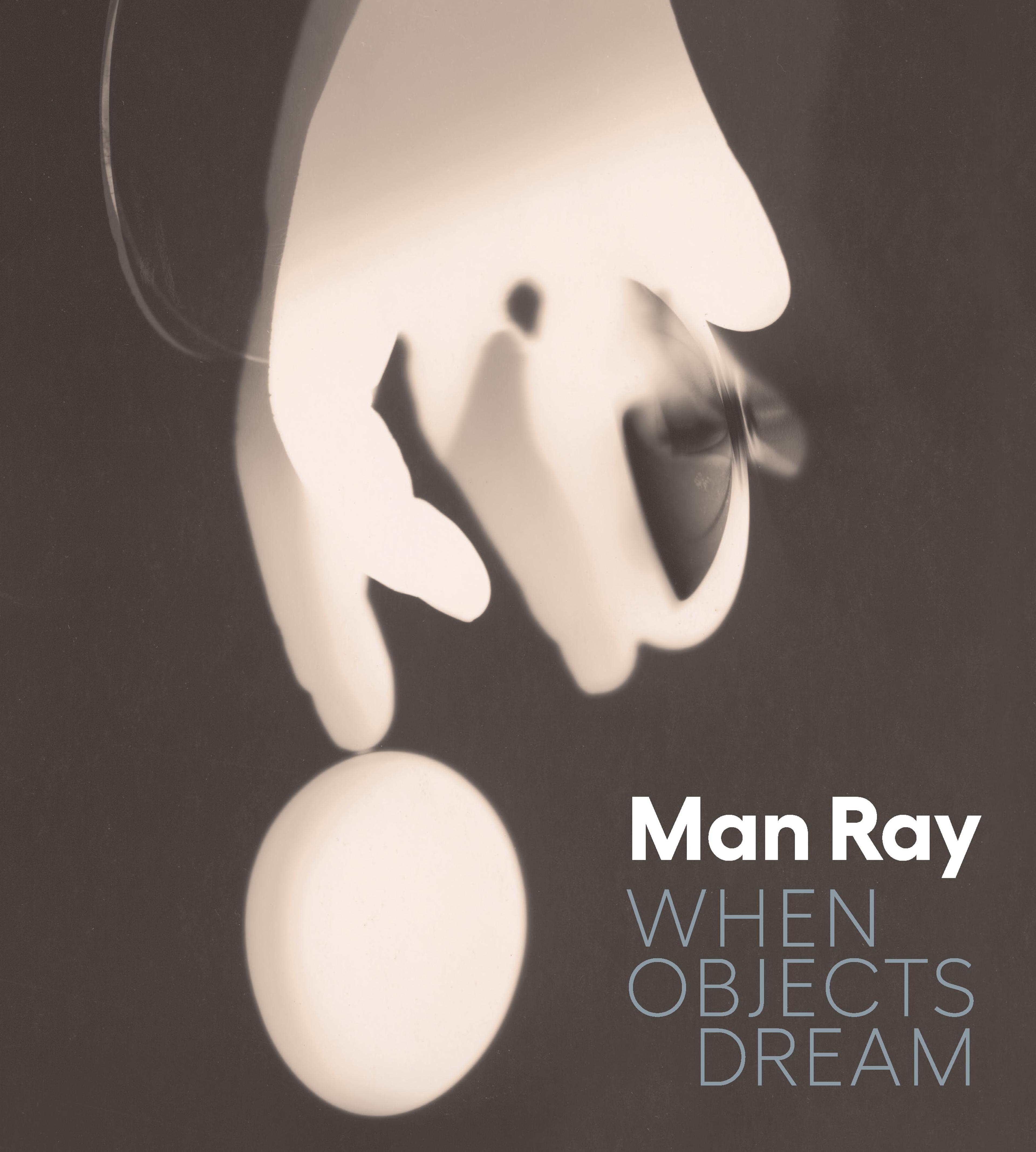 The first in-depth study of Man Ray’s groundbreaking rayographs of the 1920s and their interconnections with his Dada and Surrealist works
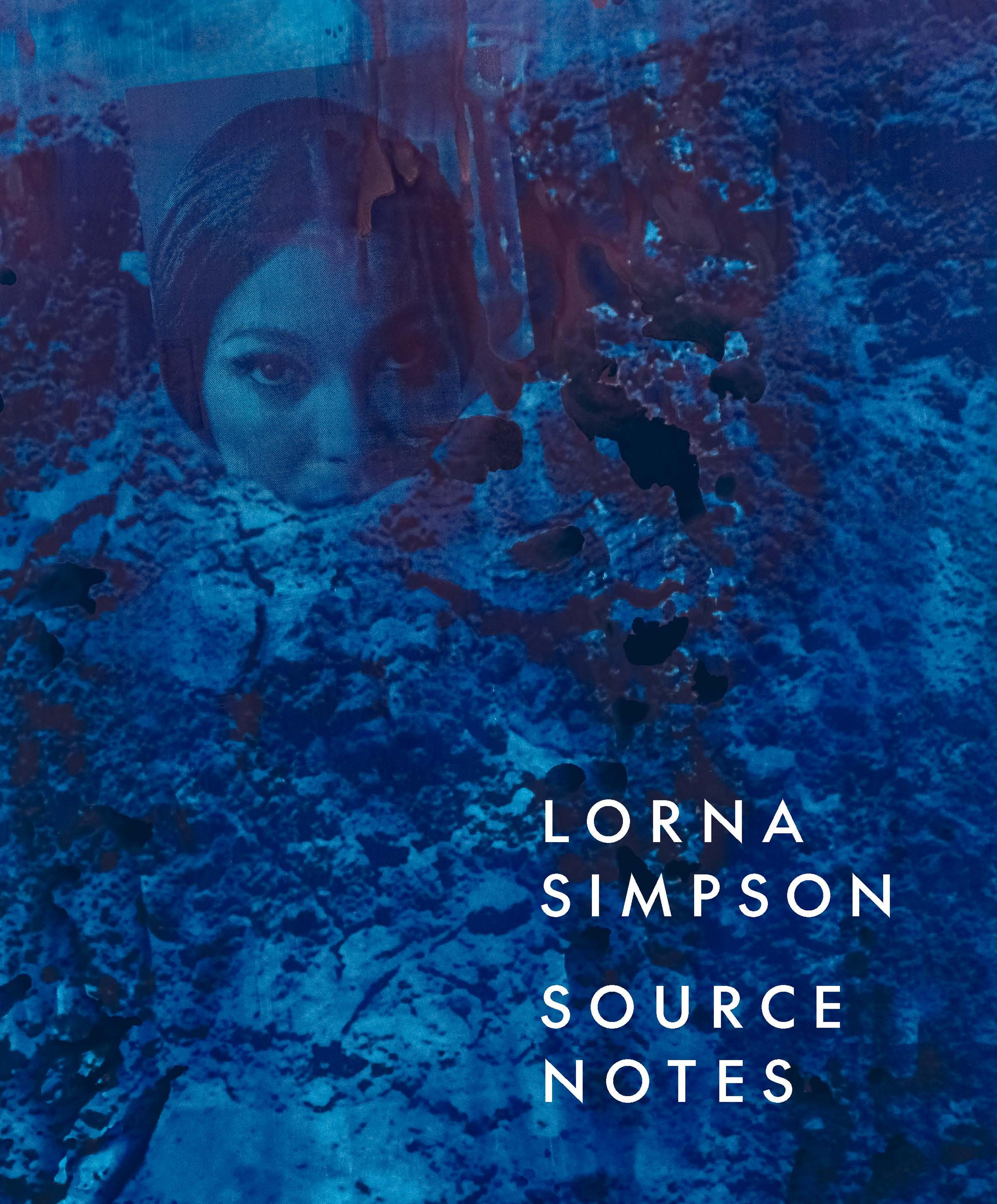 This revelatory first look at the paintings of Lorna Simpson (b. 1960), an artist who has worked primarily as a photographer for much of her career, examines this significant new development in her practice over the last decade. Simpson's recent works, midway between photography and painting, advance her incisive explorations of gender, race, and history through bodies that emerge and disappear—peering from inky surfaces or dissolving into landscapes of melting ice. Her paintings draw on documentary photographs and images from vintage Ebony and Jet magazines, combining screen-printed collages of found images with washes of colorful ink on fiberglass, wood, or clayboard. The texts in this volume explore how Simpson's fascination with time, memory, and the indeterminacy of representation propels her experiments in works that are both figurative and abstract, portraits and landscapes, paintings and photographs.
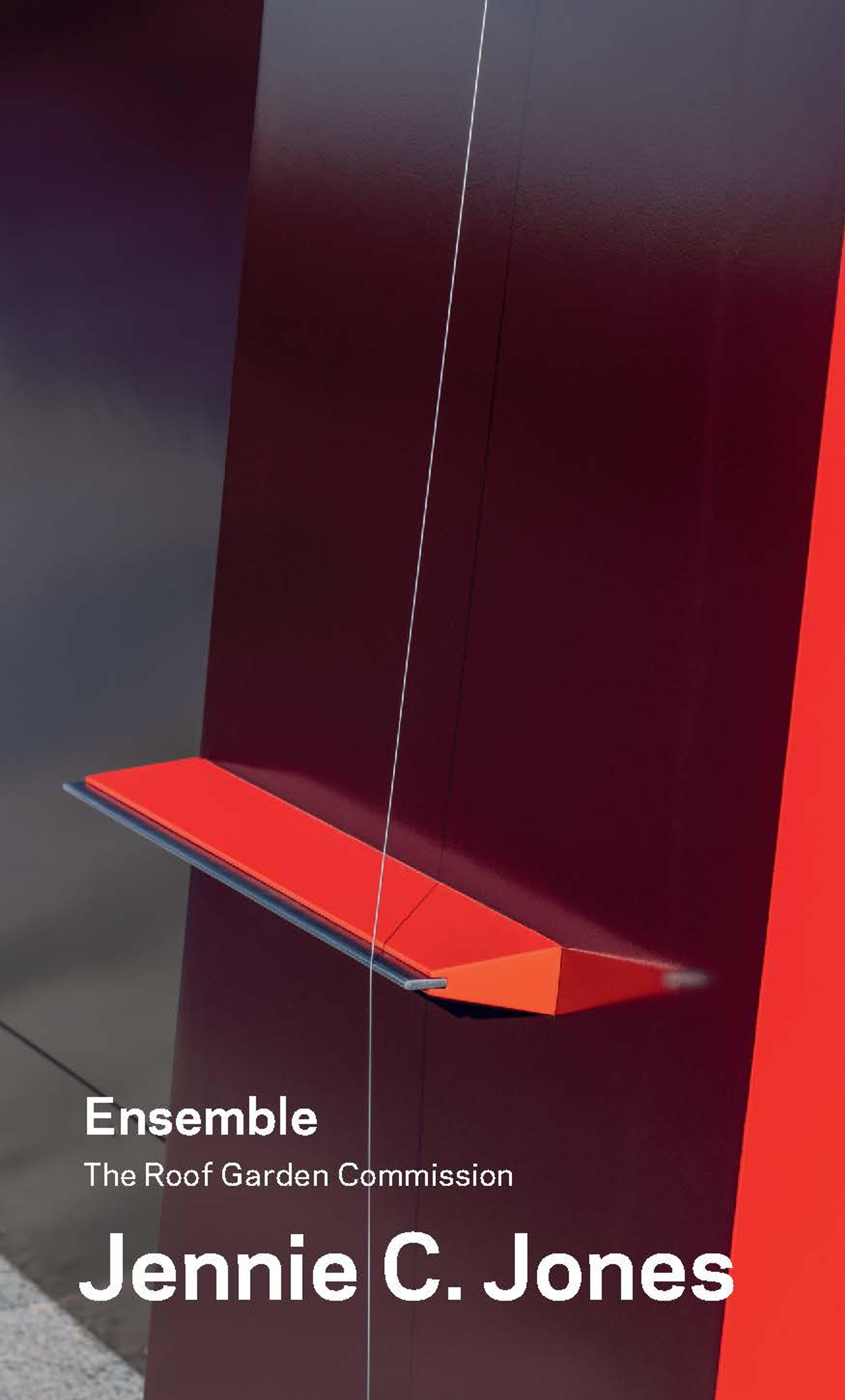 This exploration of Jennie C. Jones’s site-specific installation highlights her inspirations, from minimalism and modernism to avant-garde music.
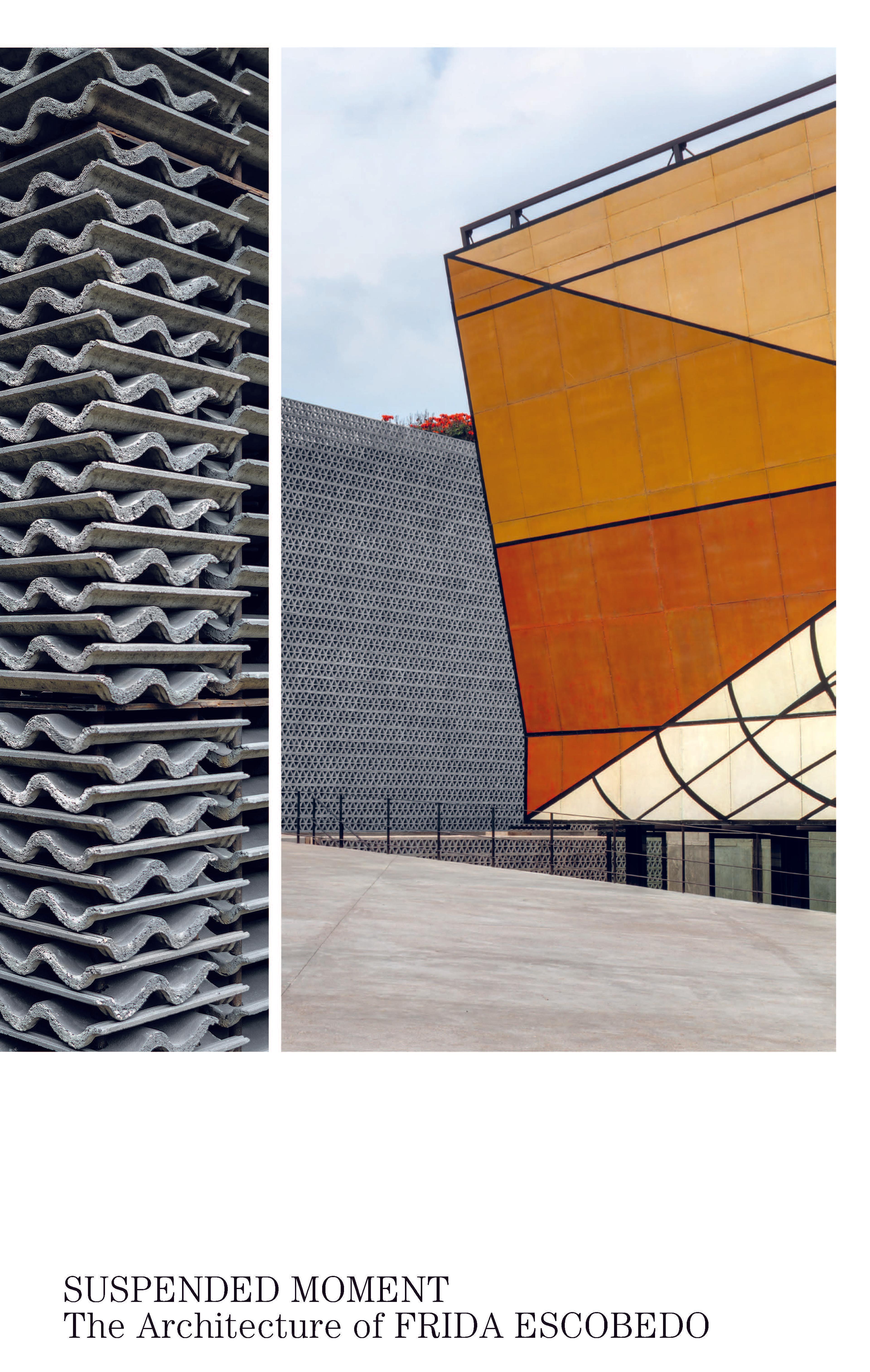 An illuminating profile of one of today’s most innovative architects whose materials-based practice explores how space can provoke emotional response.
- The Metropolitan Museum Journal is issued annually and publishes original research on works of art in the Museum’s collection.Download PDFFree to download
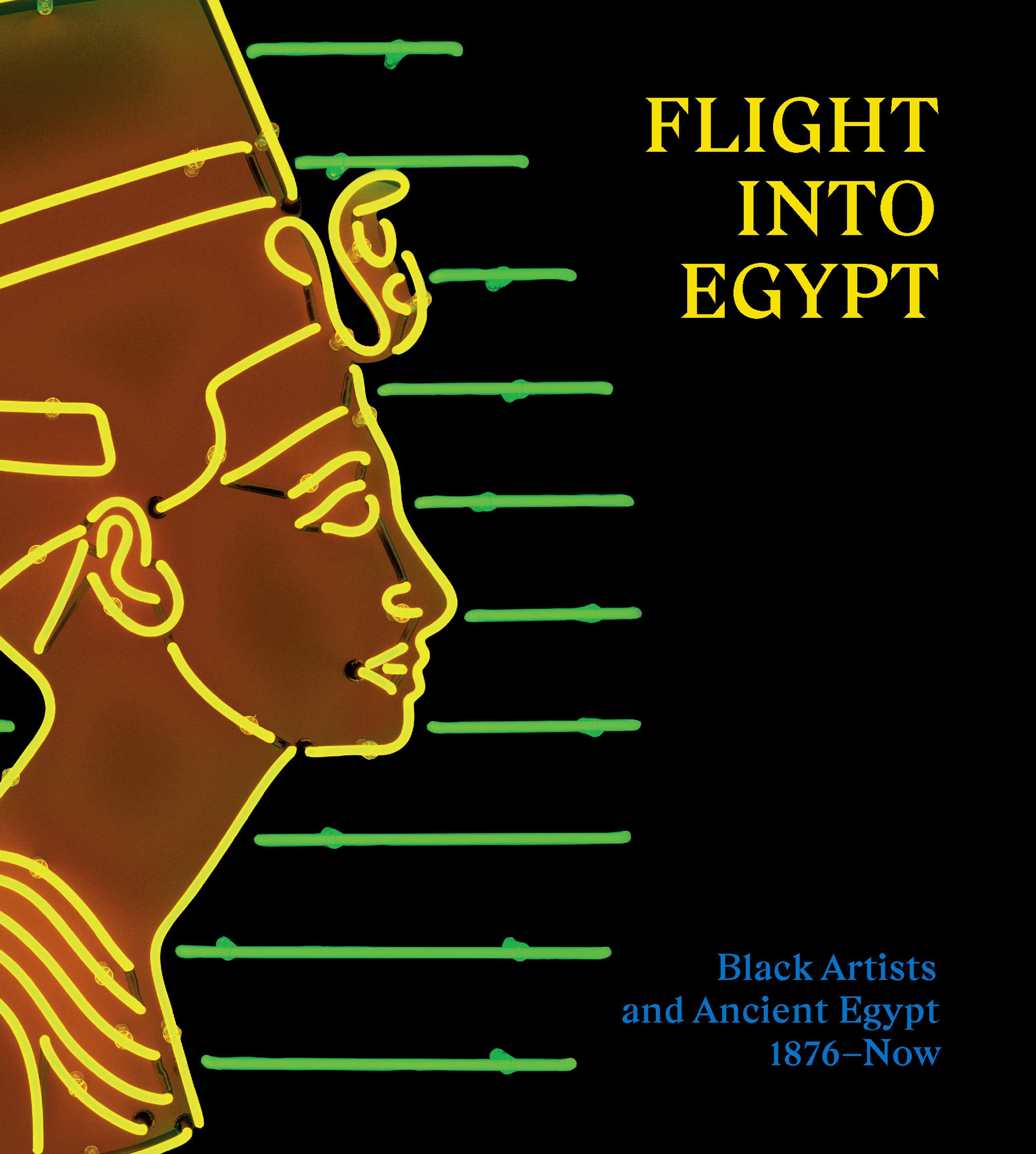 Explores the symbolic importance of ancient Egypt to Black artists and other cultural figures, from the nineteenth century to the present.
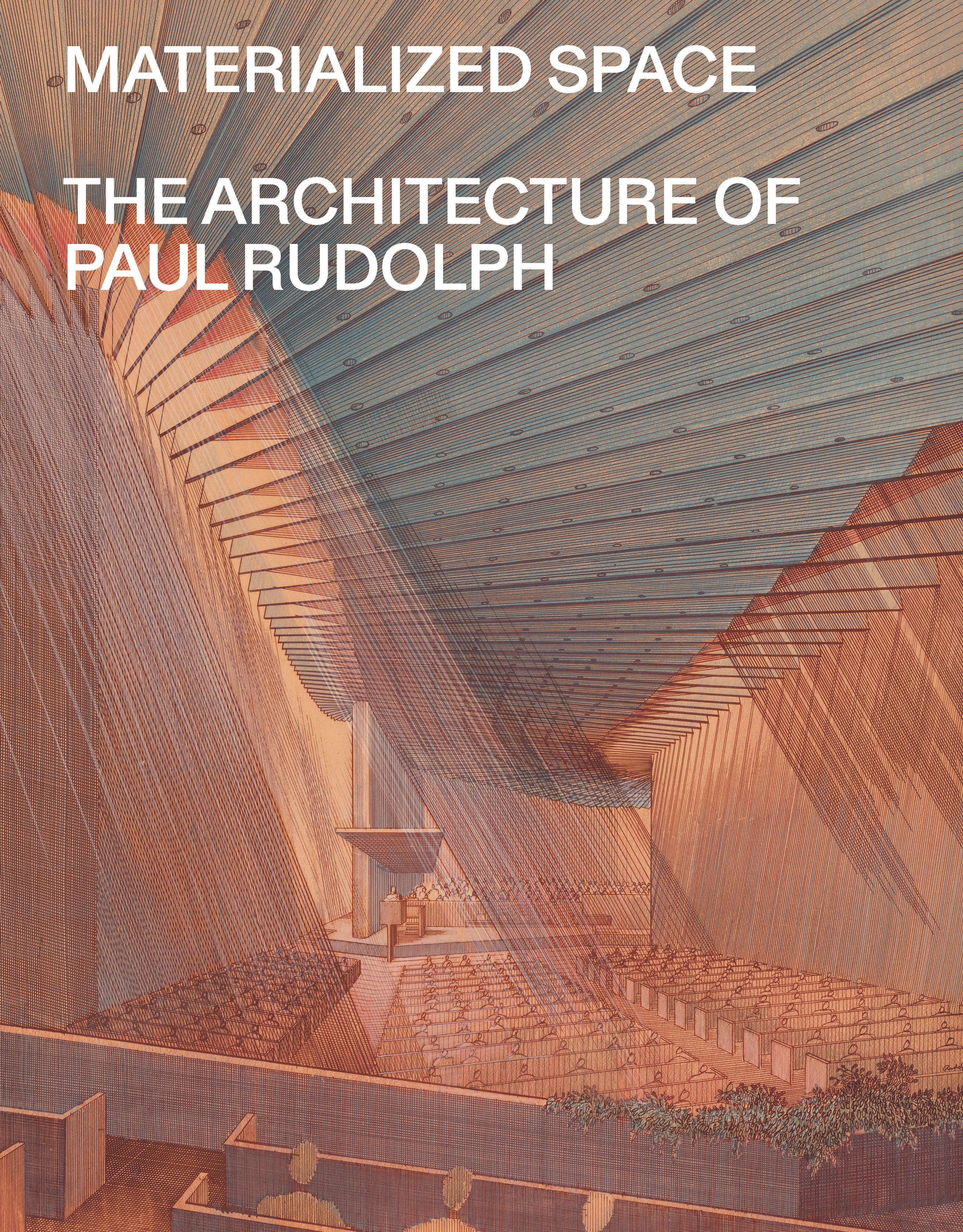 A reassessment of Paul Rudolph's career, from his modernist Sarasota houses to his controversial Brutalist buildings and later international projects.