MetPublications
Showing 1–10 results of 25
Sort by:
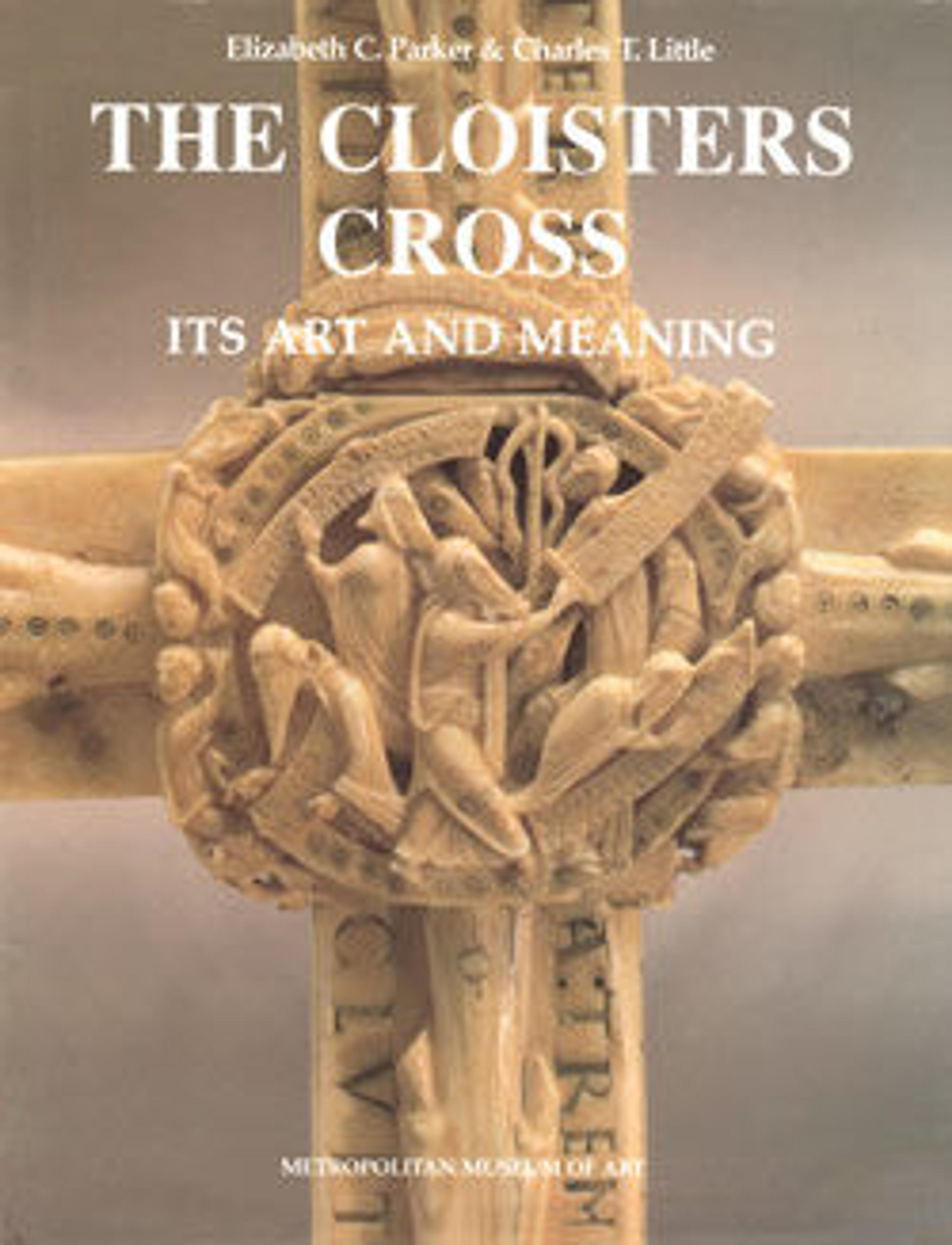 The walrus-ivory Cloisters Cross, a masterpiece of English Romanesque art, has long been a centerpiece of the Metropolitan Museum of Art's Cloisters collection, a separate museum in Fort Tryon Park (New York City) devoted exclusively to the art of the Middle Ages. In fact, ever since its acquisition in 1963, the cross has been the subject of speculation and mystery. The dearth of solid information about its provenance prior to its ownership by a Yugoslav art dealer and restorer has generated a number of tantalizing theories as to its origin, function, and early history, although no one has denied the exceptional quality of its workmanship or the unparalleled complexity of its design. The story of the cross's creation, survival, and meaning is explored in this fascinating book. Of special interest is the sheer number of figures that populate the compact scenes on both sides of the cross, and of biblical passages diligently inscribed on individual scrolls held by Old Testament prophets across its surface. The cross is a tour de force of sculptural artistry, which holds within its small physical scope an iconographic encyclopedia of learning almost unmatched in Medieval Art. This comprehensive study is addressed to the genuinely curious visitor to the Cloisters collection, as well as to the specialized scholar. The authors have included a systematic description of the intricate construction of the cross and an analysis of every detail of its carving. They offer substantial new insights to the findings of previous scholarly research as to possible meanings and context, in terms of both the liturgy and the intellectual milieu of the twelfth century in which it has been placed. The attribution to the abbey of Bury St. Edmunds—the name by which the cross was first known—is discussed at length. In rich and exacting detail the authors reveal, as do the splendid new color photographs by Malcolm Varon, just how the Cloisters Cross, in its imagery and consummate workmanship, bears "witness to a level of erudition and artistry seldom seen in the twelfth century or later."Download PDFFree to download
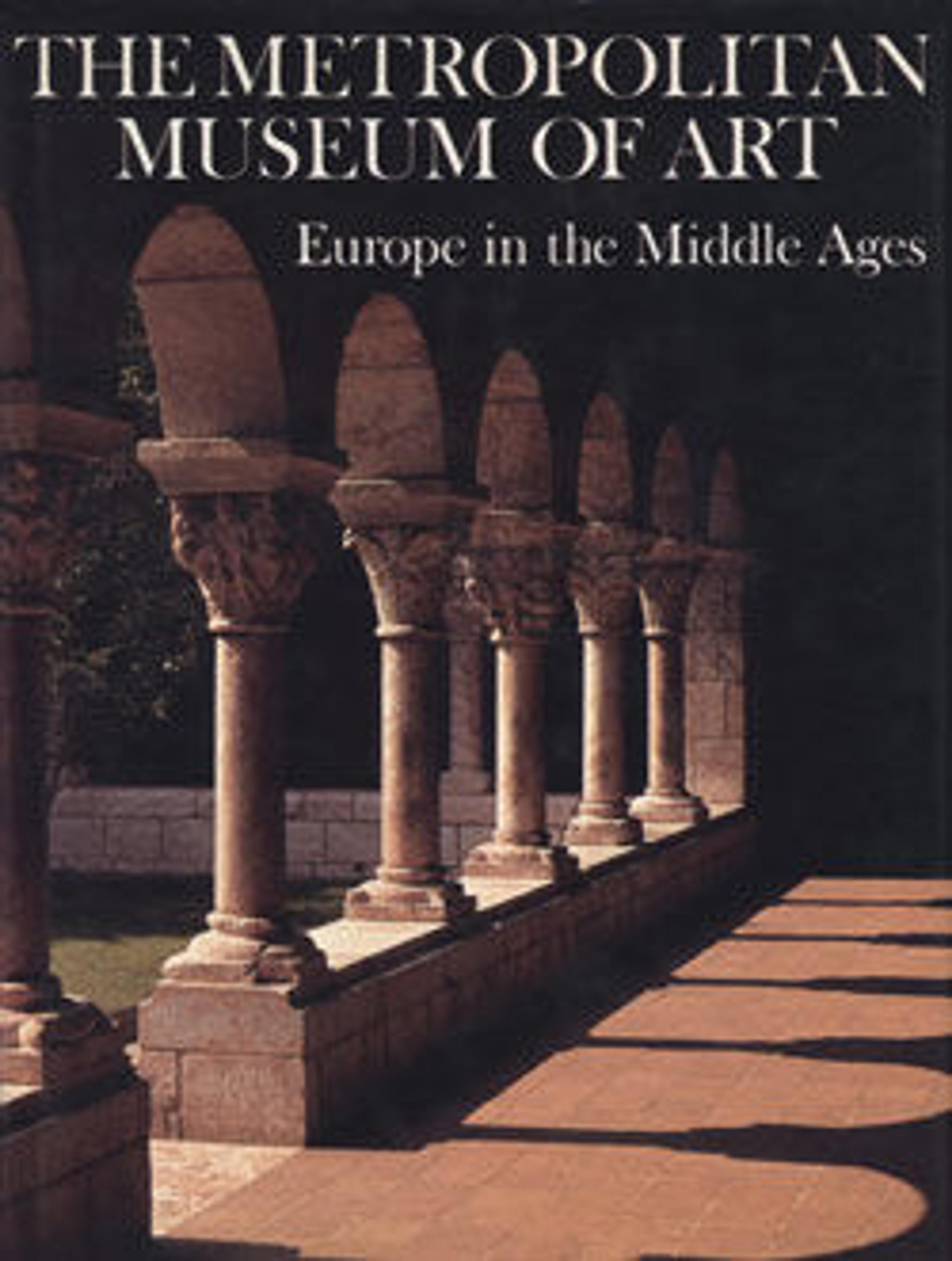 Medieval Art can be said to have begun in the catacombs of Rome and to have culminated—over a thousand years later—in the soaring arches of Reims and Chartres, but from its fugitive and funerary beginnings to its glorious close, it encompassed the splendor of Byzantium, the warrior trappings of the Avars and the Celts, the woodcarving of the Germans, and the sculpture, weaving, and painting of the Spanish, the Flemish, and the French—a splendid legacy from which the artists in Europe would draw inspiration for centuries to come. Christian imagery began first to appear in the West in the second century A.D., and by 313 the emperor Constantine had recognized Christianity as the official religion of the Roman Empire. But as Rome's power waned and barbarian invasions gradually paralyzed Europe, Constantinople rose to become the "new Rome." During its Golden Age, under the emperor Justinian, the wealth and power of Byzantium led to an artistic production of dazzling technical brilliance and spiritual intensity. While the artists of Constantinople were engaged in producing this sophisticated and Classical art, migrating tribes in Europe continued to make magnificent artifacts in their own local styles. Once European political unification was achieved under Charlemagne and Otto the Great, Byzantine and "barbarian" traditions converged to form new styles that became increasingly international. These styles—Carolingian, Ottonian, and Romanesque—eventually pervaded all of Europe and culminated in the Gothic. Europe in the Middle Ages offers a broad selection of the arts of the medieval world, all drawn from the rich collections of The Metropolitan Museum of Art. Examples from the Early Christian period include a sarcophagus lid from Rome and Coptic textiles and ivory from Egypt; from Constantinople, a marble portrait bust of Constans, younger son of the emperor Constantine, and the sumptuous silver "David plates"; and from the eastern part of the Byzantine Empire, the magnificent silver-gilt "Antioch Chalice." Local styles are represented by Celtic gold tores from Belgium, lance mounts from Gaul, a Viking sword, and gold belt fittings from the Avar tribe. The court style of the Carolingian Empire is shown in the "Saint John the Evangelist" and "Emmaus" ivories. English Romanesque art is nowhere more beautifully represented than by the famous ivory cross attributed to the abbey of Bury St. Edmunds, while the Continental Romanesque is seen in the capitals of the Cuxa Cloister. The arts of the late Middle Ages are represented by stained-glass panels from Soissons and from the abbey of St.-Germain-des-Prés in Paris, as well as by the exquisite miniature painting of Jean Pucelle, the "Mérode Altar Piece" by Robert Campin, and the famous "Unicorn Tapestries." In all, over one hundred fifty objects are reproduced, giving a rich picture of the splendid and varied arts of the middle Ages.Download PDFFree to download
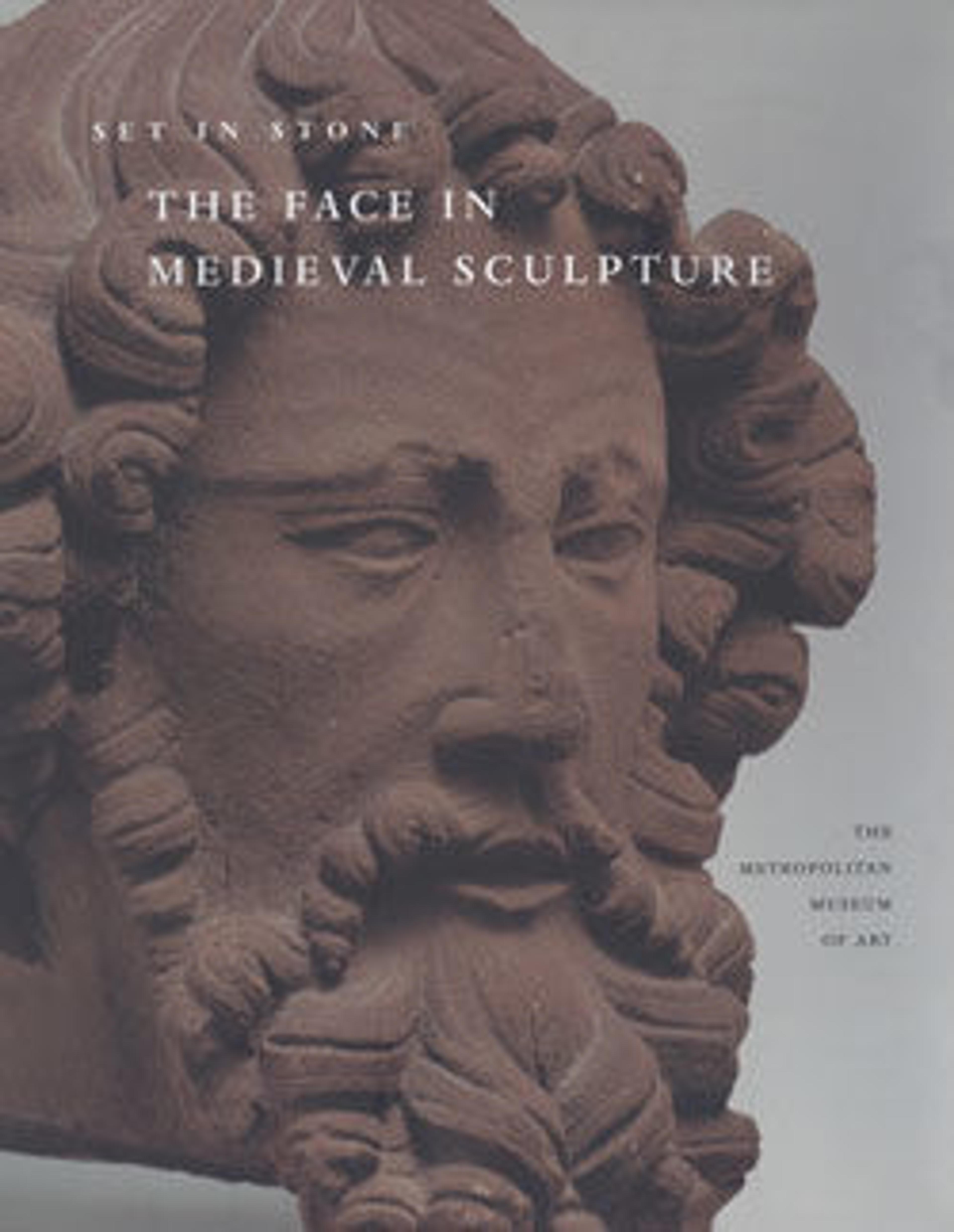 Faces in medieval sculpture are explorations of human identity, marked not only by evolving nuances of style but also by ongoing drama of European history. The eighty-one sculpted heads featured in this beautifully illustrated volume provide a sweeping view of the Middle Ages, from the waning days of the Roman Empire to the Renaissance. Each masterful sculpture bears eloquent witness to its own history, whether it was removed from its original context for ideological reasons or because of changing tastes. As a work of art, the sculpted head is a particularly moving and vivid fragment; it often seems to retain some part of its past, becoming not unlike a living remnant of an age. In antiquity and throughout the Middle Ages it was generally believed that the soul resided in the head, as articulated by Plato in the Timaeus. The head was thus understood to be a center of power, the core of individual identity, and the primary vehicle for human expression, emotion, and character. Many medieval sculpted heads became separated from their settings—often churches or ecclesiastical monuments—by the seemingly endless destruction and displacement of art works in Europe during and after the Middle Ages. Political and religious ferment, neglect, shifts in taste, and simply time itself: all exacted a heavy toll. During the French Revolution, in particular, legions of stone figures lost their heads in a course of mutilation that paralleled the infamous guillotine. In many cases the artistic or aesthetic merits of a given fragment are all that remain of the original work's context, meaning, and significance. Some heads survived precisely because of their innate beauty, or perhaps out of reverence for the grand monuments to which they once belonged. Seven thematic sections retrace the history of these heads using both traditional art-historical methods, such as connoisseurship and archaeology, as well as the latest scientific technologies. In his introduction to the volume, Charles T. Little provides an overview of these general themes, which include Iconoclasm, The Stone Bible, and Portraiture. An essay by distinguished scholar Willibald Sauerländer discusses the complex and fascinating issue of physiognomy in medieval art, from menacing or carnivalesque grotesques to the beatific visages of saints and apostles. Sauerländer presciently observes, "To learn about 'the fate of the face' in the Middle Ages—a period torn by strife, faith, and fear—may prove today to be more than a mere art-historical concern."Download PDFFree to download
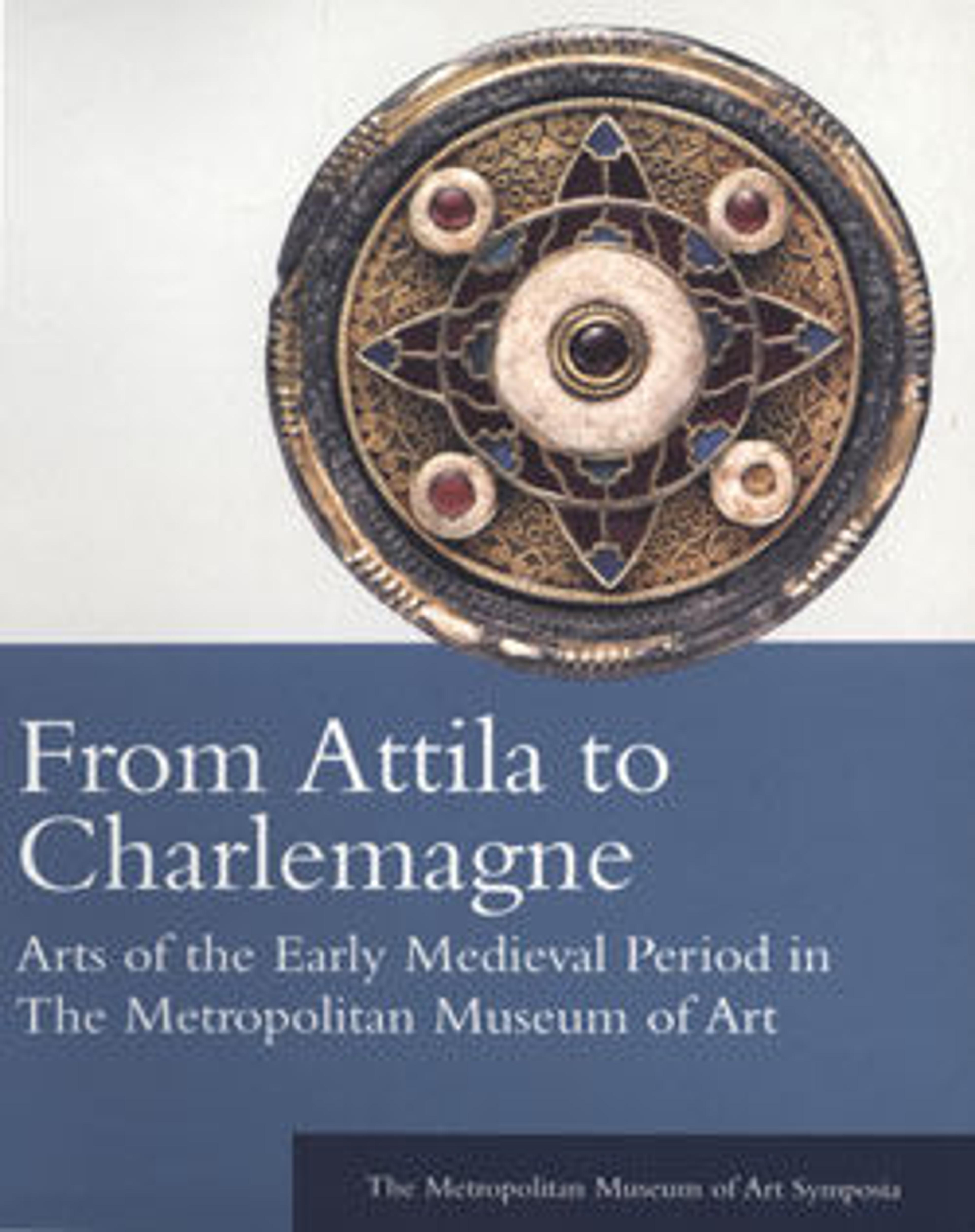 The arts of the Early Medieval period form a major, yet little-known, part of the material from the Middle Ages in The Metropolitan Museum of Art. Recent research on this fascinating period from approximately A.D. 400 to 800 reveals a more comprehensive picture of what has been traditionally referred to as the Dark Ages or the Migration period. The Museum's holdings in this area, the subject of a symposium and of new studies by leading European and American specialists, demonstrate the exceptional richness of material bridging Antiquity and the Middle Ages. The twenty-six essays in this volume provide the first in-depth study of this American repository of arts representing the many cultures and peoples that created early Europe, including the Ostrogoths, the Langobards, the Franks, and the Anglo-Saxons. The products of this great age of "portable art" range from elaborate weapon fittings and ornate buckles to gold brooches and other intricately designed and decorated jewelry. Over six hundred black-and-white photographs and eighteen color-plates dramatically testify to the depth, breadth, and beauty of the Museum's Early Medieval collection. Of interest to both scholars and laymen, this publication coincides with the opening of the Museum's new galleries devoted to the arts of Byzantium and the Early Medieval period. From Attila to Charlemagne: Arts of the Early Medieval Period in The Metropolitan Museum of Art also inaugurates a series of symposium volumes. These volumes will present the results of symposia at which scholars in the relevant fields assess aspects of the Metropolitan's collections.Download PDFFree to download
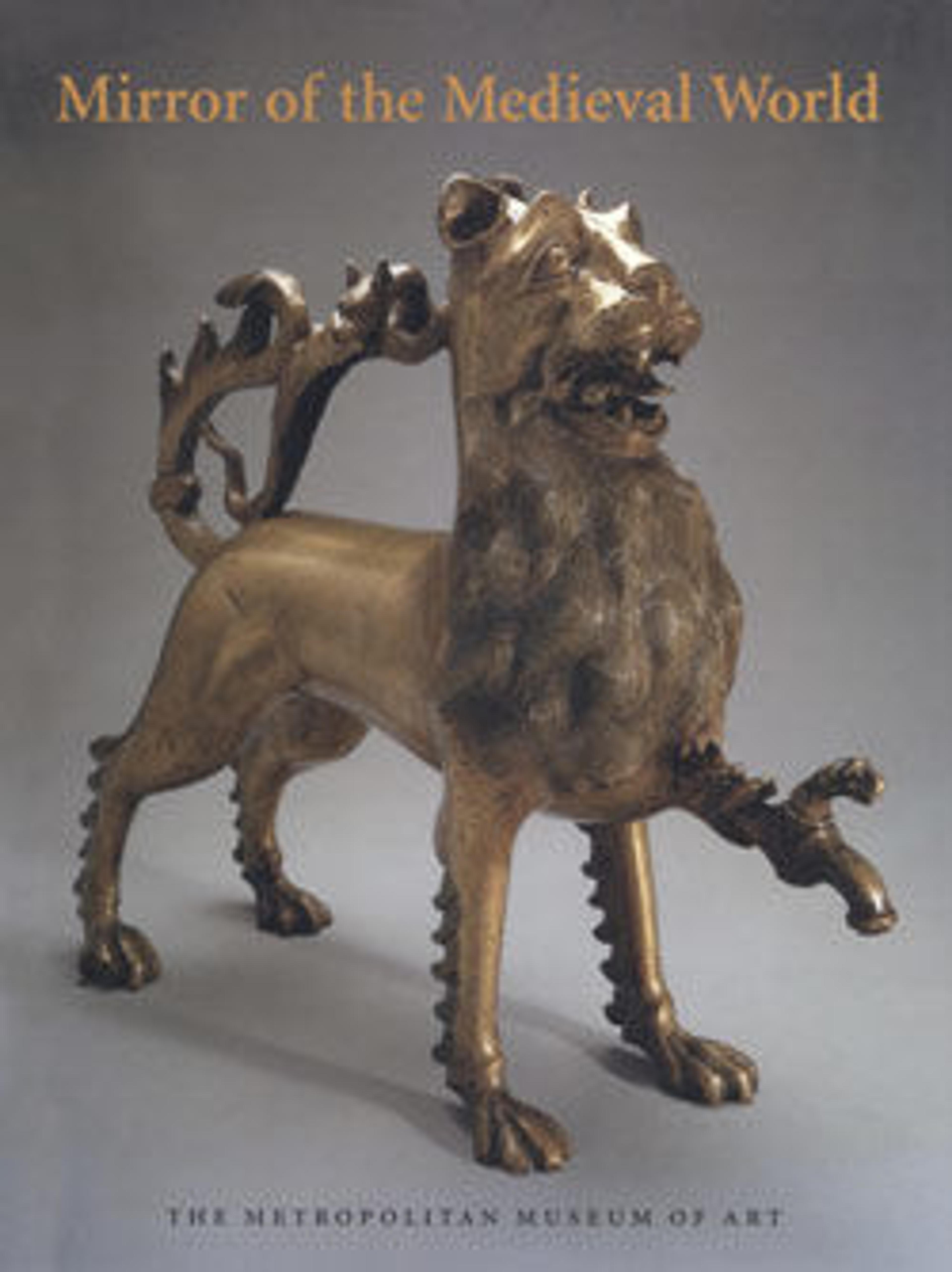 The years 1978 and 1979 were auspicious ones for The Metropolitan Museum of Art: Philippe de Montebello became its Director and William D. Wixom its Chairman of the Department of Medieval Art and The Cloisters. By then, the Museum's two collections of medieval art jointly encompassed outstanding examples of metalwork, illuminated manuscripts, stained-glass panels, limestone and wood sculptures, textiles, and jewelry (both secular and religious), these items dating from the second century B.C. until well into the sixteenth century. During the ensuing years, under the keen eye and connoisseurship of the chairman and his curatorial staff, and supported enthusiastically by the new administration, the department's holdings grew considerably. Highlighted in these pages—and in an accompanying exhibition that allows the public to savor many of the works at first hand—are more than 300 purchases and gifts. Although a great majority of the objects have been on view and have figured in various Metropolitan Museum publications over the last two decades, many works have remained unpublished until now. Following a Foreword by the Director, the Introduction by William D. Wixom provides an overview of the enrichment of the collections under his stewardship. The reader then discovers how lacunae were filled, as highly significant examples of the art of the Middle Ages took their place among others with equally impressive provenances. The catalogue entries, which focus on more than 200 of the most important objects arranged chronologically by type and date, were written by present as well as former curators in the Department of Medieval Art, all recognized as experts in a particular period or field. Large color illustrations of the works, often shown in multiple views, accompany extensive documentation, including provenances, former collection and exhibition histories, notes, and bibliographic references. The book concludes with a Selected Bibliography and an Index. For those unaware of the richness and quality of the medieval treasures available for edification and enjoyment in New York's foremost museum, this volume offers an exciting introduction; for students and scholars of medieval art, it presents the opportunity to take an armchair tour of old favorites encountered on past visits to the Metropolitan's galleries and to become acquainted with the many splendid additions.Download PDFFree to download
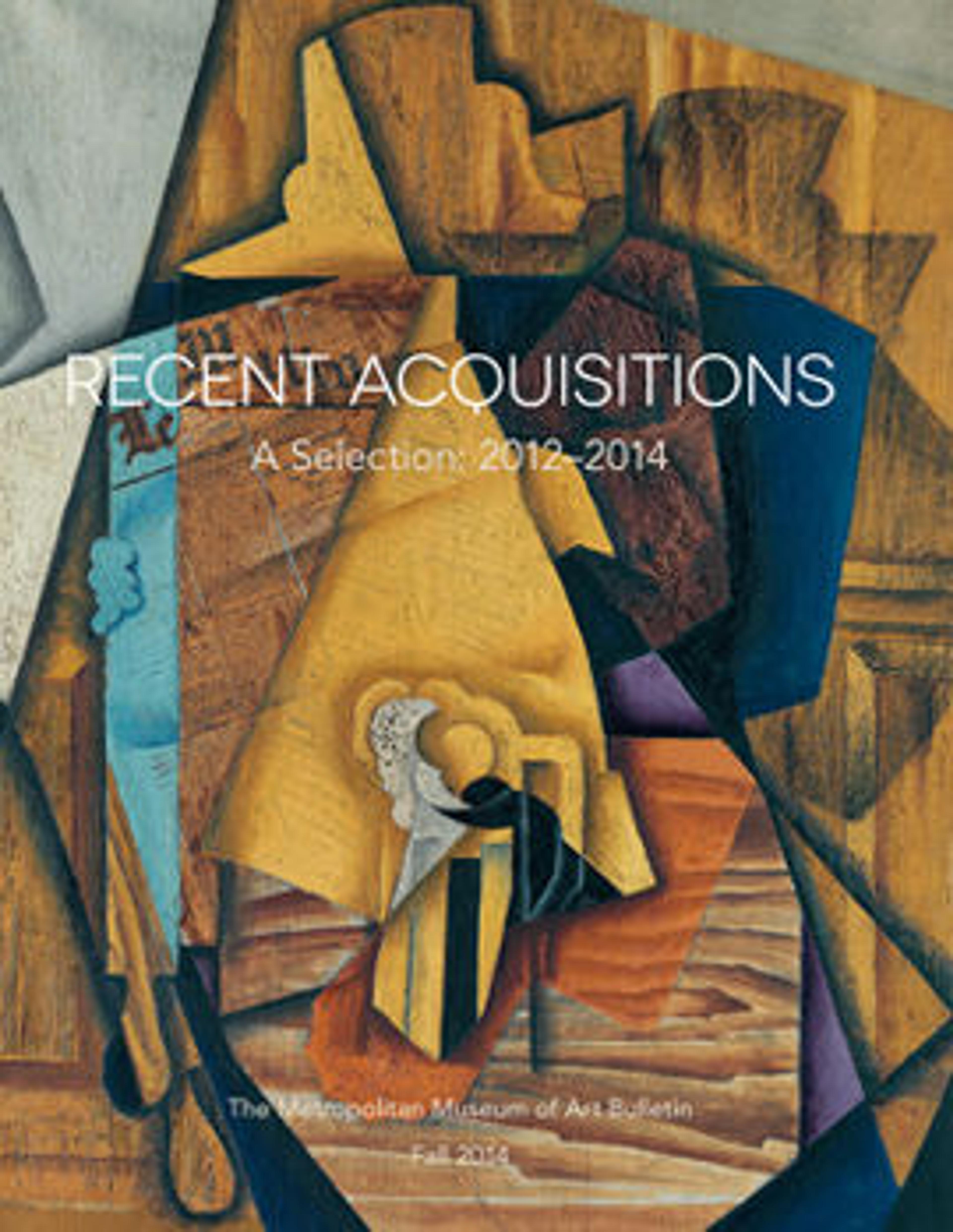 Every two years the fall issue of the Met's quarterly Bulletin celebrates notable recent acquisitions and gifts to the collection. Highlights of Recent Acquisitions 2012–2014 includes the promised gifts of the Leonard A. Lauder Cubist Collection; the lavishly illustrated manuscript known as the Mishneh Torah, by celebrated medieval philosopher Moses Maimonides; paintings by turn-of-the-century Symbolists Ferdinand Hodler and Vilhelm Hammershøi; a superb viola by Jacob Stainer, whose instruments were favored by the Bach and Mozart families; and a magnificent Roman porphyry vessel that is one of the finest to survive from Classical antiquity. This publication also honors the many generous contributions from donors that make possible the continued growth of the Met's collection.Download PDFFree to download
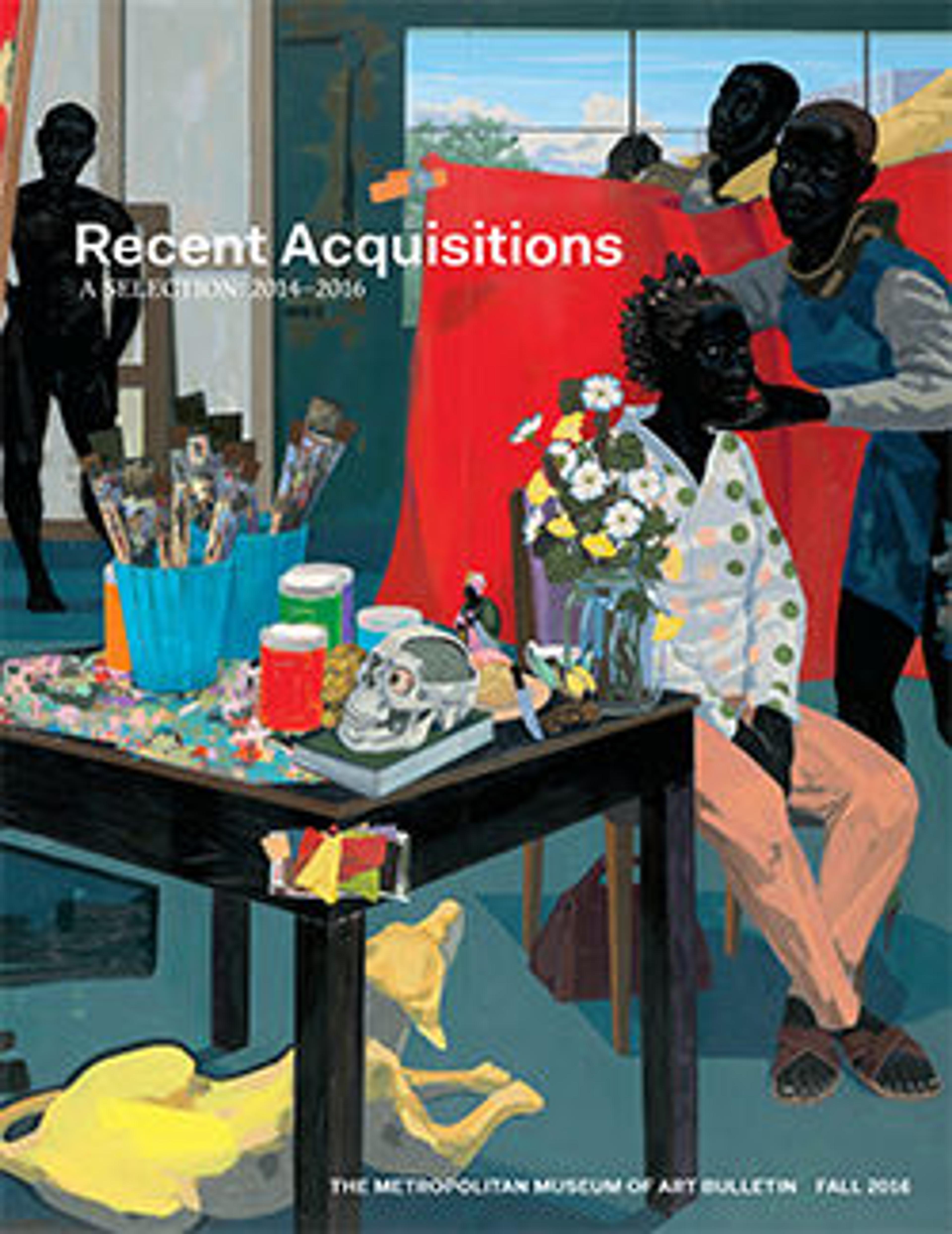 Every two years the fall issue of the Met's quarterly Bulletin celebrates notable recent acquisitions and gifts to the collection. Highlights of recent acquisitions from 2014–2016 include Charles Le Brun's Everhard Jabach (1618–1695) and His Family, a donation of nearly 1,300 works of art from East and South Asia, three hundred masterpieces of Japanese Art from the Mary and Jackson Burke Foundation, more than two hundred works by American photographer Irving Penn, and Untitled (Studio) by Kerry James Marshall among many others. This publication also honors the many generous contributions from donors that make possible the continued growth of the Met's collection.Download PDFFree to download
 Download PDFFree to download
 Download PDFFree to download