MetPublications
Showing 1–10 results of 39
Sort by:
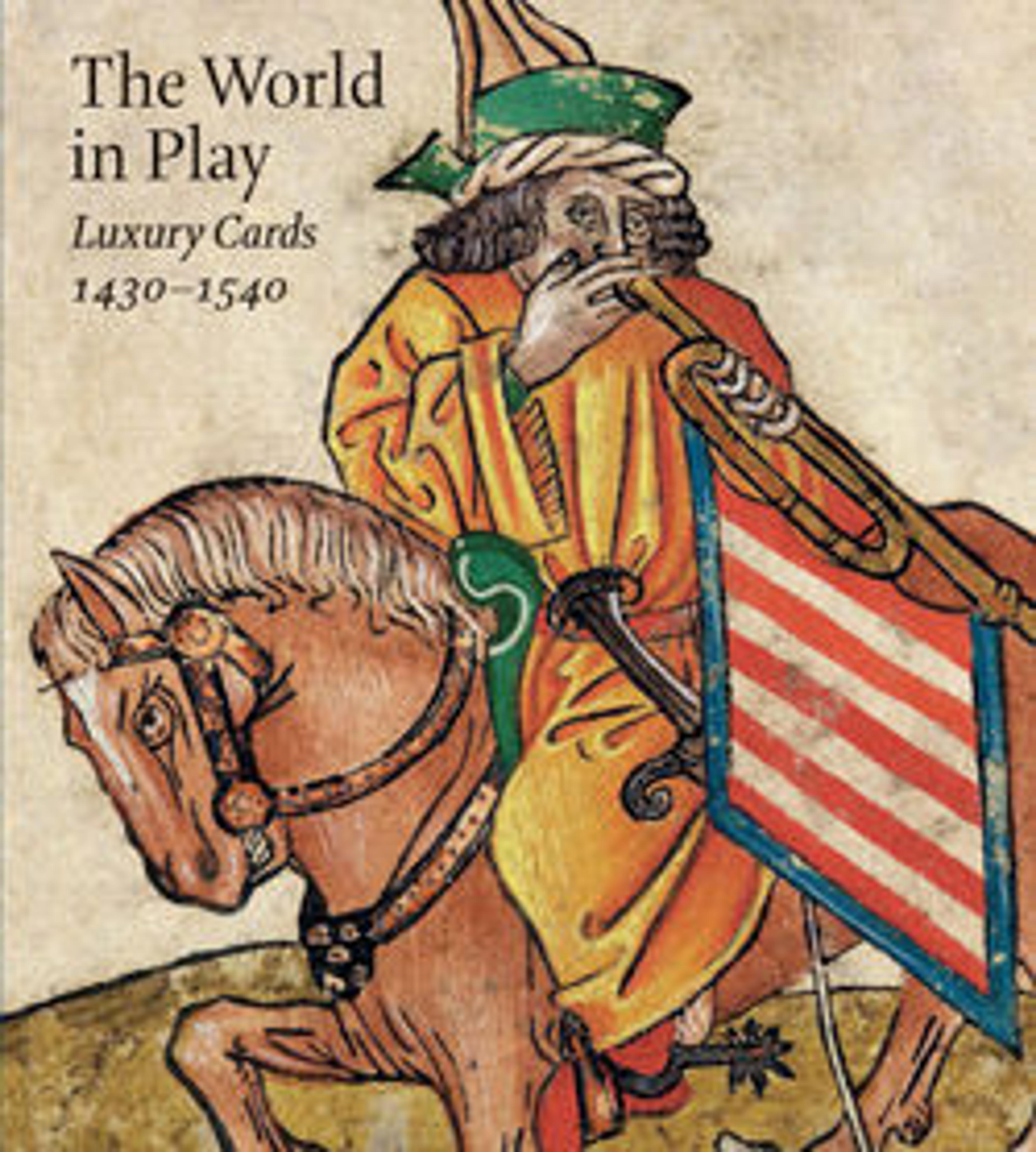 In the late Middle Ages and early modern times, card playing was widely enjoyed at all levels of society. The playing cards in this engaging volume are unique works of art that illuminate the transition from late medieval to early modern Europe, a period of tumultuous social, artistic, economic, and religious change. Included are the most important luxury decks of hand-painted European playing cards that have survived, as well as a selection of hand-colored woodblock cards, engraved cards, and tarot packs. The casts of characters they illustrate range from royals to commoners. Many feature animals such as falcons and hounds, while other portray such diverse objects as acorns, helmets, or coins. This is the only study of its kind in English and the only one in a generation in any language. The insightful narrative by Timothy B. Husband discusses the significance of playing cards in the secular art of the period and also recounts the varied stories they tell, conjuring the customs and facts of life of the time. Little is known abut the games played with these cards, but as Husband notes: "The playing out of a hand of cards can be seen as a microcosmic reflection of the ever-changing world around us—a world in play—a view that the creators of the cards under discussion here would seem to have shared.Download PDFFree to download
 Download PDFFree to download
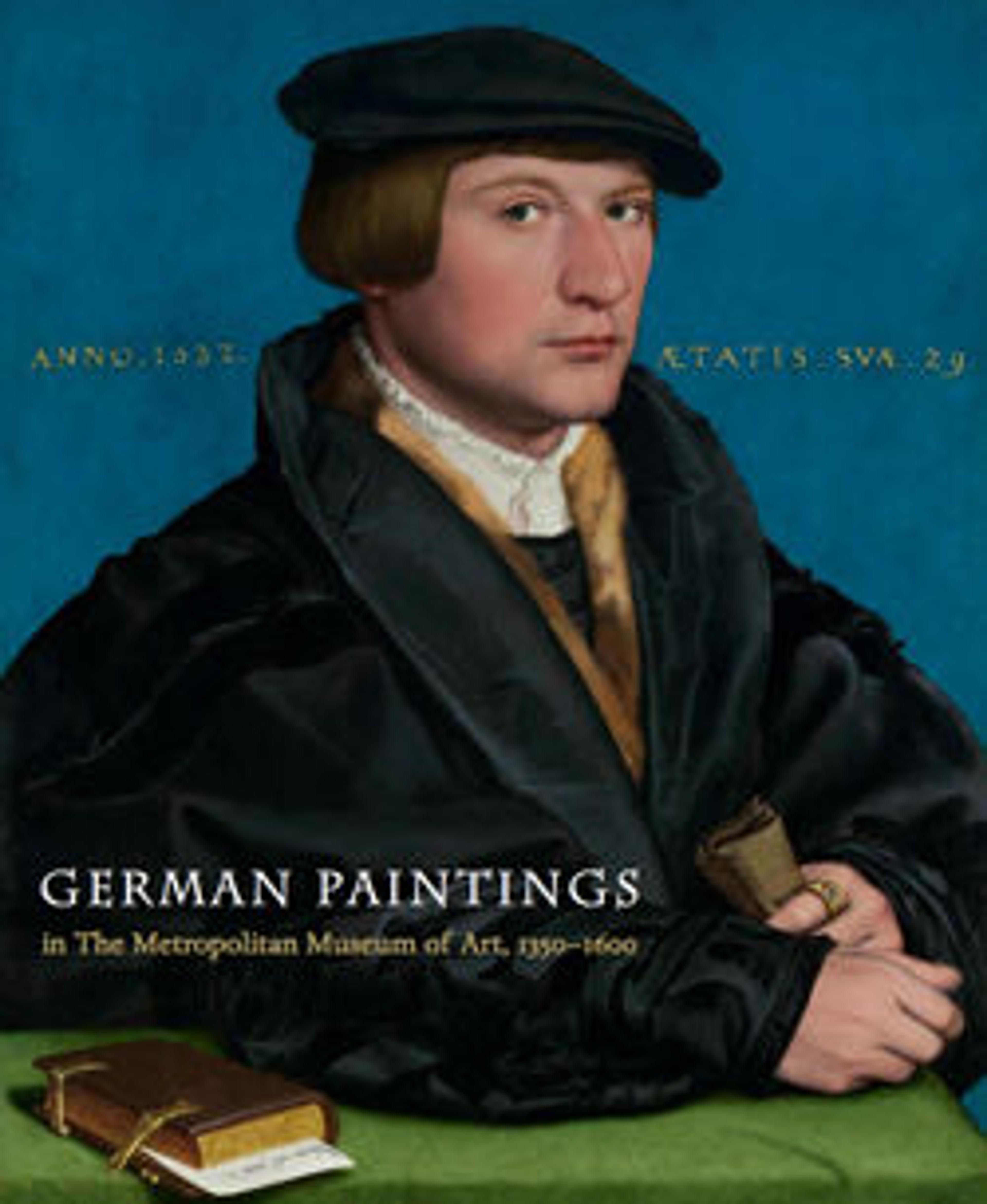 In conjunction with the grand reopening in May 2013 of the newly renovated European Paintings galleries, the Museum is pleased to present this comprehensive catalogue of our early German paintings. The collection has not been examined in its entirety since 1947, when (at half its current size) it was included in A Catalogue of Early Flemish, Dutch and Germany Paintings by Harry B. Wehle and Margaretta M. Salinger. Our seventy-two paintings constitute the largest, most diverse collection of its kind in America and include examples by the foremost German artists of the period: three by Dürer, eighteen from the Cranach group, eleven by Holbein and his workshop, and remarkable works by Hans Baldung, Hans Süss von Kulmbach, and Hans Schäufelein. Rigorous review of current knowledge, fresh consideration of previously unresolved questions, and full technical examination with the most up-to-date methods have resulted in invaluable reassessments of attribution and dating. As a result, each painting is situated more accurately within the context of the history of German art. Beyond these time-honored issues of connoisseurship, however, the volume offers a rich understanding of an era that stretched from the late Middle Ages into the Renaissance. It provides both a record of the devotional practices of the time and a deeper look at the secular themes that began to emerge. It brings to life the favored mythological subjects that so captivated the dukes of Saxony and their courtiers. Taking us back to the turbulent times of the Reformation, it discusses the spiritual, educational, and propagandistic aims of such key personalities as Martin Luther, Erasmus, and Albrecht of Brandenburg. In its many portraits, it reflects the increased awareness of the individual in the age of humanism. Above all, the catalogue encourages a closer look at the paintings themselves, now seen in a new light, both here an in our galleries.Download PDFFree to download
 Download PDFFree to download
 Download PDFFree to download
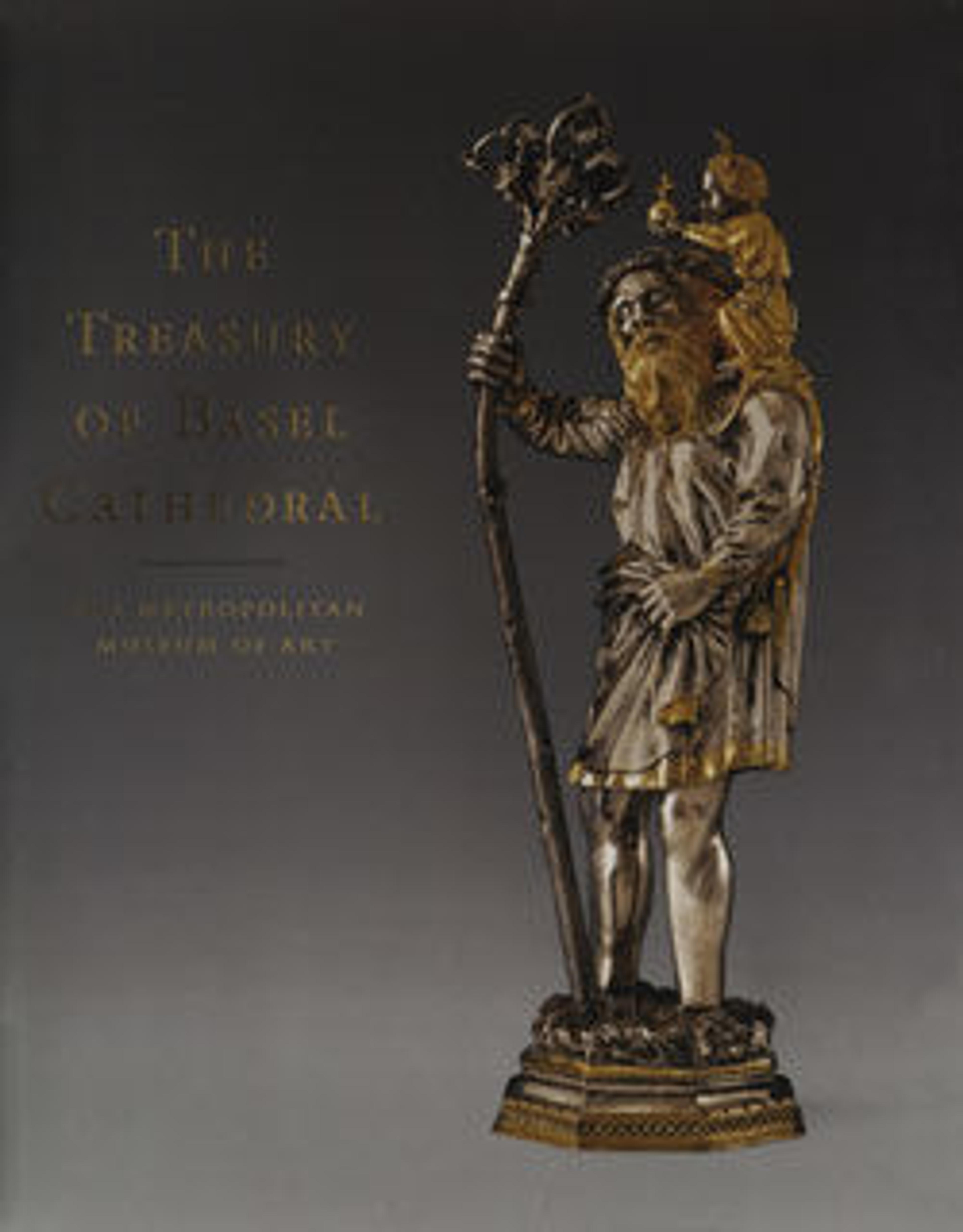 In contrast to the spare and monochromatic ambiance of many medieval churches today, religious experience in the Middle Ages often was shaped by glittering objects made gold and silver and adorned with precious stones that provided a focus to the liturgy and to the veneration of the saints. Treasuries were integral to the identity of medieval cities. Over time, however, because of their material value, most of these treasuries were pillaged and their contents often melted down into bullion. An exception was the Treasury of Basel Cathedral, which miraculously withstood wars, an earthquake, and iconoclastic uprisings, only to be dispersed in the early nineteenth century as a result of political division. Reliquary crosses of gold, enameled and bejeweled; censers, chalices, and altar furnishings of engraved silver; reliquaries in the shape of caskets, figures, and in imitation of human form; exquisite textiles; and Eucharistic vessels, some towering over three feet in height—these are merely a sampling of the sumptuous works collected in this lavishly illustrated volume and in the exhibition that it accompanies. Spanning the Ottonian period up to the Reformation, these dazzling objects served the cult on the high altar of Basel Cathedral from the eleventh to the sixteenth century. Tangible evidence of episcopal power, they unified the clergy and the population of Basel, as they were prominently featured in the many processions dictated by the Church calendar. Over half of the works in the catalogue now reside in the Historisches Museum Basel (the co-organizer of this exhibition) and the others were borrowed from European public collections and churches; most of them have never been shown before in the United States. Each of the more than seventy-five examples is fully discussed and illustrated in color, in entries augmented by relevant bibliographic references and provenance histories. The four introductory essays examine the history of Basel in this period; the construction of the cathedral and its consecration by Emperor Heinrich II in 1019; the formation of the Treasury, through commissions and gifts; and the vicissitudes of the Treasury's existence, its eventual dissolution, and the remarkable story of its reconstitution. They were written by Timothy Husband, curator in the Department of Medieval Art and The Cloisters, who is responsible for the concept of the exhibition in New York and is the author of the catalogue entries, and Julien Chapuis, assistant curator in the Department of Medieval Art and The Cloisters. A selected bibliography and an index complete this visually splendid and scholarly presentation.Download PDFFree to download
- Download PDFFree to download
 Download PDFFree to download
- Download PDFFree to download