MetPublications
Showing 1–10 results of 18
Sort by:
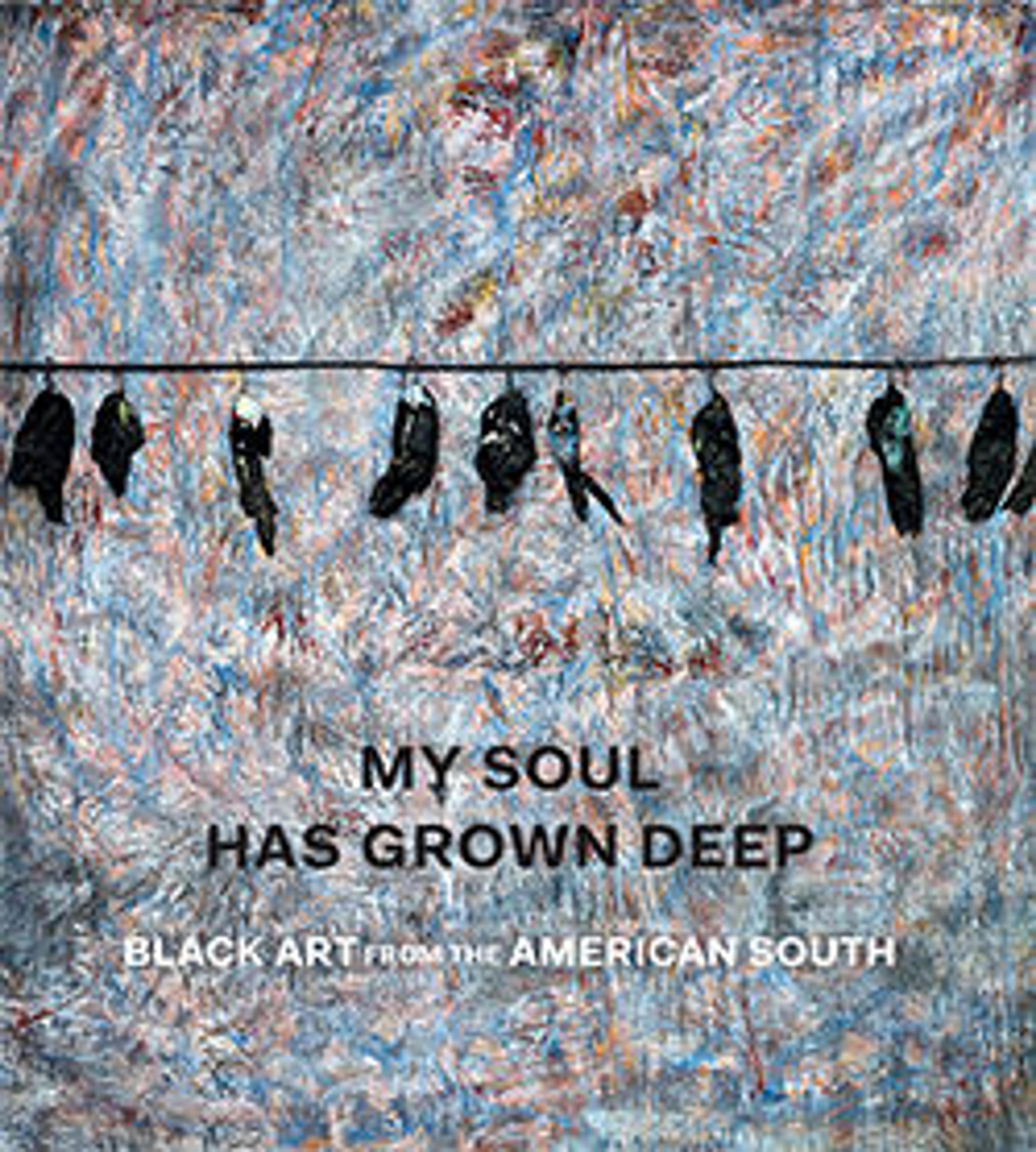 My Soul Has Grown Deep considers the art-historical significance of contemporary Black artists and quilters working throughout the southeastern United States and Alabama in particular. Their paintings, drawings, mixed-media compositions, sculptures, and textiles include pieces ranging from the profoundly moving assemblages of Thornton Dial to the renowned quilts of Gee’s Bend. Nearly sixty remarkable examples—originally collected by the Souls Grown Deep Foundation and donated to The Metropolitan Museum of Art—are illustrated alongside insightful texts that situate them in the history of modernism and the context of the African American experience in the twentieth-century South. This remarkable study simultaneously considers these works on their own merits while making connections to mainstream contemporary art. Art historians Cheryl Finley, Randall R. Griffey, and Amelia Peck illuminate shared artistic practices, including the novel use of found or salvaged materials and the artists’ interest in improvisational approaches across media. Novelist and essayist Darryl Pinckney provides a thoughtful consideration of the cultural and political history of the American South, during and after the Civil Rights era. These diverse works, described and beautifully illustrated, tell the compelling stories of artists who overcame enormous obstacles to create distinctive and culturally resonant art.
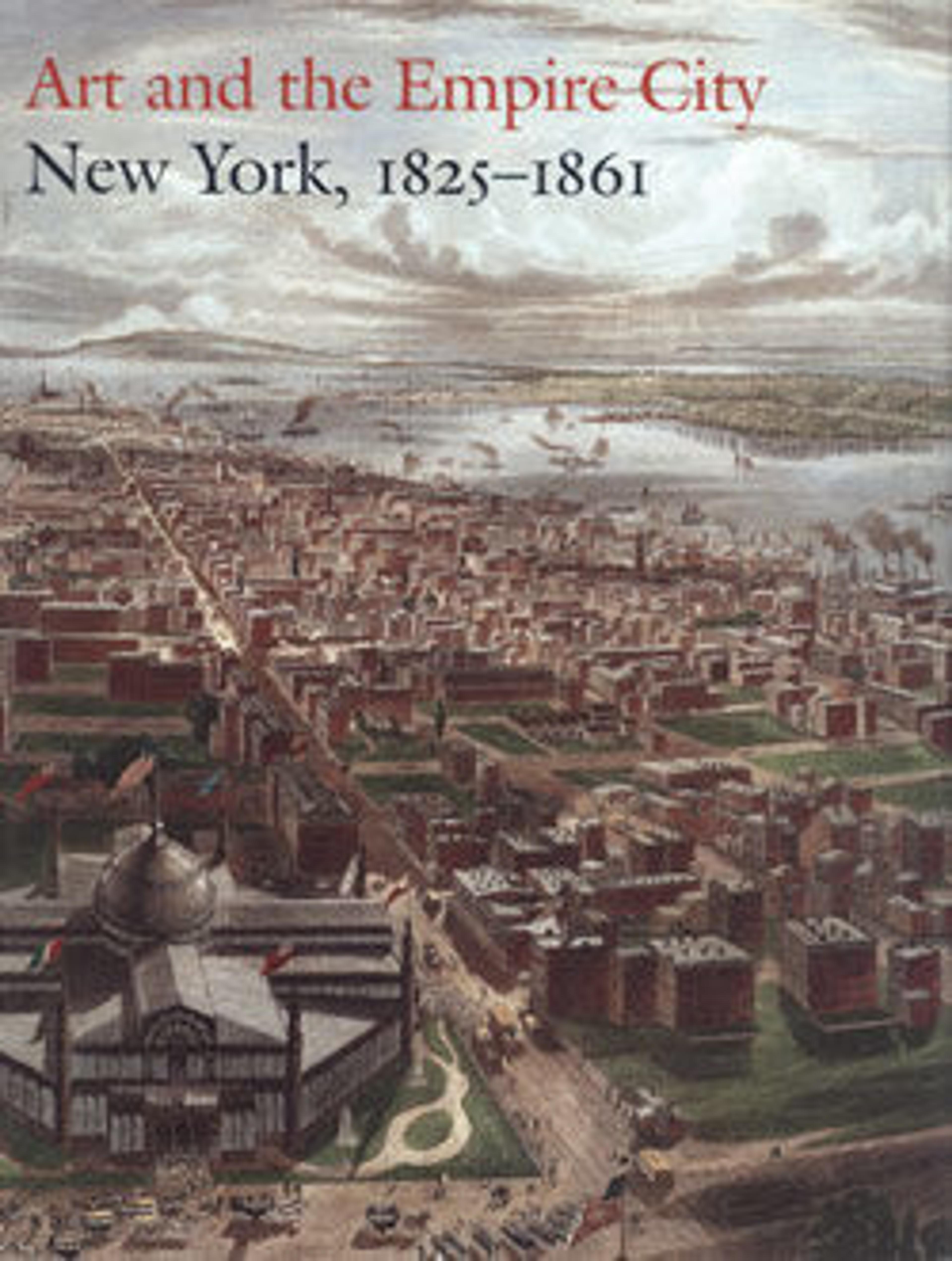 In 1825 the Erie Canal, connecting the Atlantic with the American heartland via the Great Lakes, was completed, and in 1861 the Civil War, disrupting American unity, began. This volume examines the exhilarating period between these two far-reaching events. The Erie Canal turned the port of New York into the gateway to the United States, ushering in a time of enormous growth and change for the city of New York. Still very much a work in progress, New York became both an international economic and cultural center: it was transformed into what contemporary observers variously termed the Empire City, the Great Emporium, and the Empress City of the West. The cultural component of this transformation was as significant as its economic aspect. Highly skilled artists and craftsmen working in New York, both native born and immigrant, grew in number, and institutions devoted to the arts emerged and flourished. With Broadway at its heart, the Great Emporium developed into the nation's major manufacturing and retailing center, the depot for luxury goods made in and around the city and imported from Europe. The complex story of the proliferation of the arts in New York and the evolution of an increasingly discerning audience for those arts during the antebellum period is the focus of this book, which accompanies a major exhibition at The Metropolitan Museum of Art. In essays that will interest scholars as well as a more general audience, specialists from the Metropolitan Museum, the Museum of the City of New York, and the University of California at Berkeley bring new research and insights to bear on a broad range of subjects. Their texts offer both historical and cultural contexts and explore the city's development as a nexus for the marketing and display of art, as well as private collecting; landscape painting viewed against the background of tourism; new departures in sculpture, architecture, and printmaking; the birth of photography; New York as a fashion center; shopping for home decorations; changing styles in furniture; and the evolution of the ceramics, glass, and silver industries. This volume is lavishly illustrated in color and black and white, providing reproductions of the more than three hundred works in the exhibition as well as comparative material. A checklist of works in the exhibition, a bibliography, and an index are included.Download PDFFree to download
 Download PDFFree to download
 Download PDFFree to download
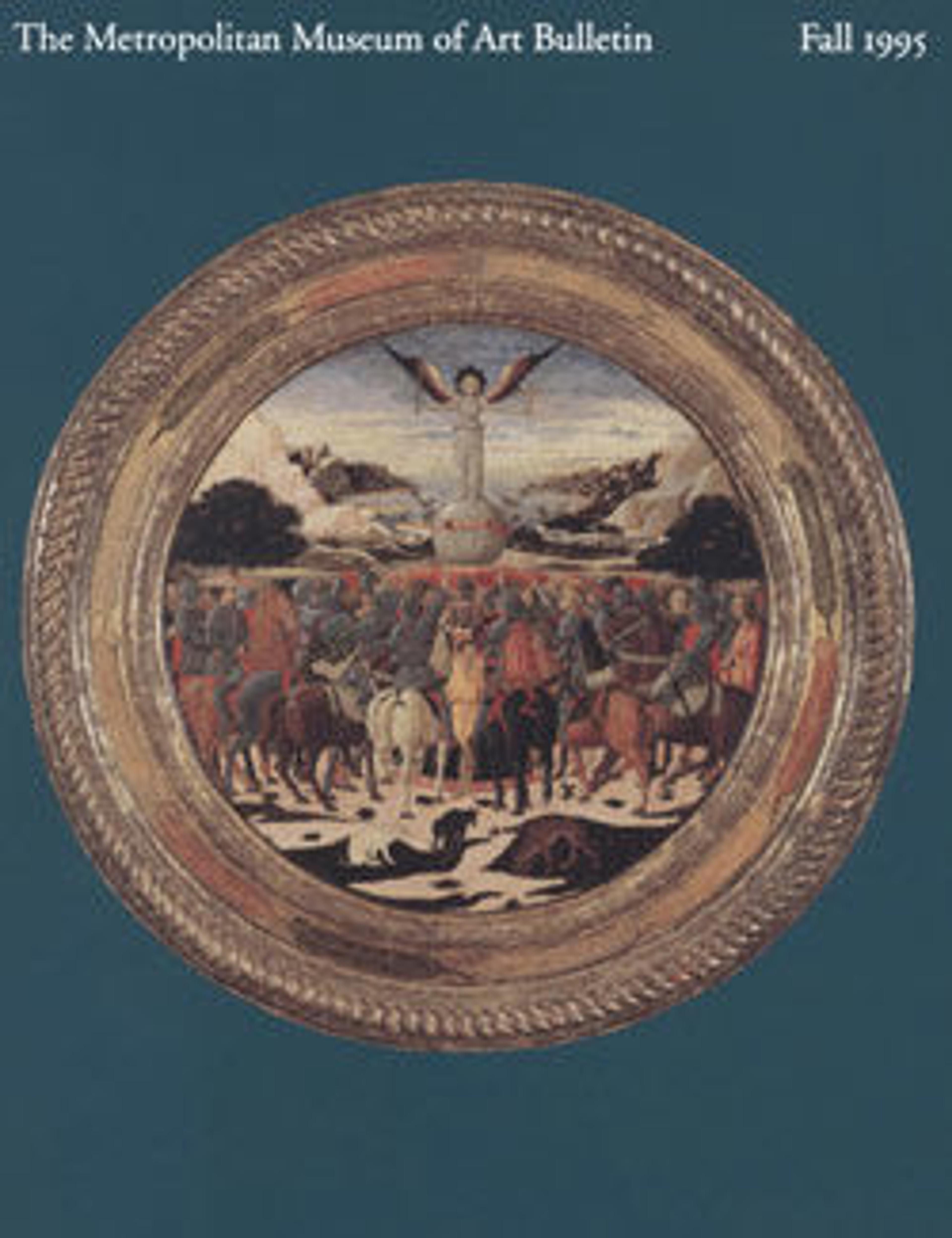 Download PDFFree to download
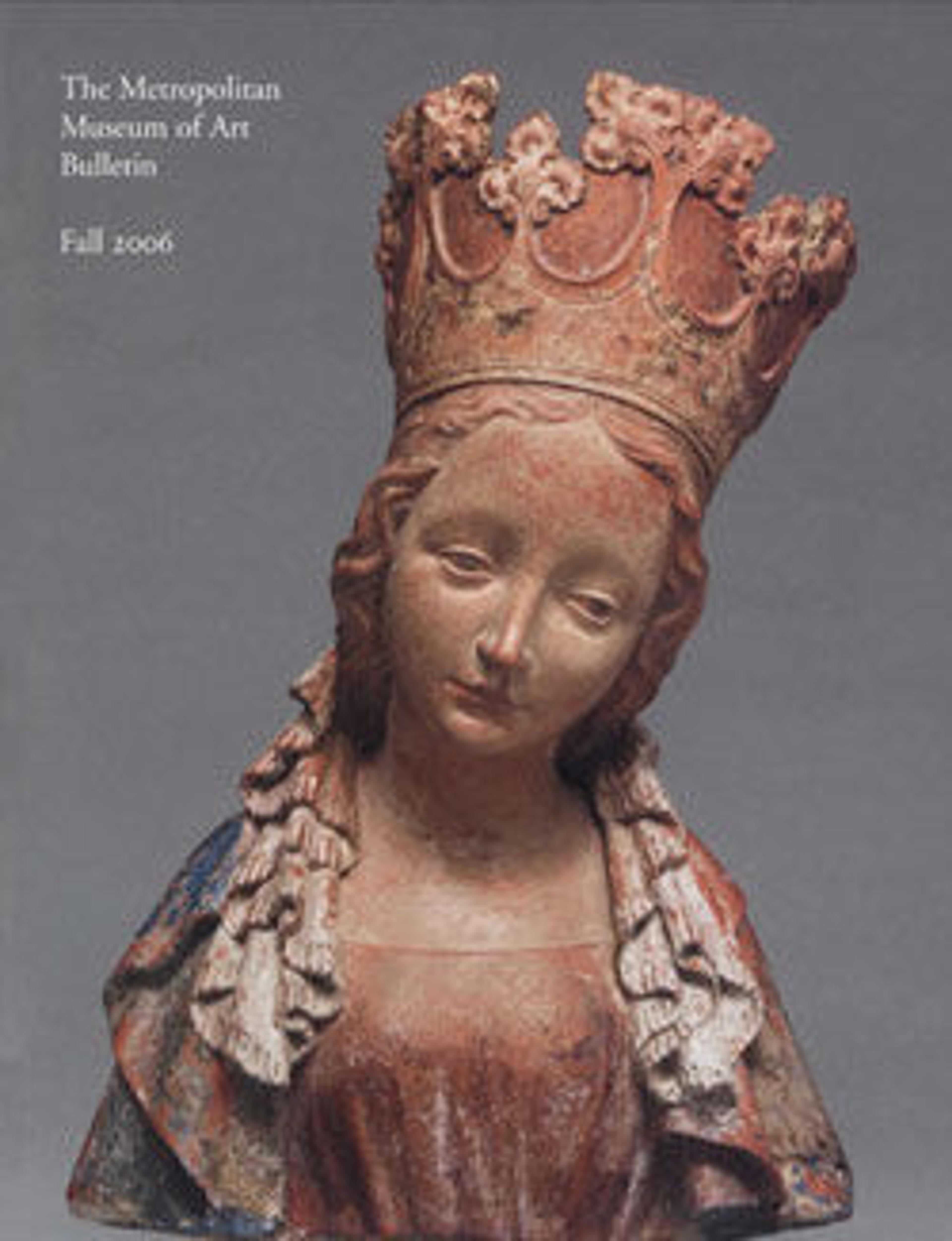 Download PDFFree to download
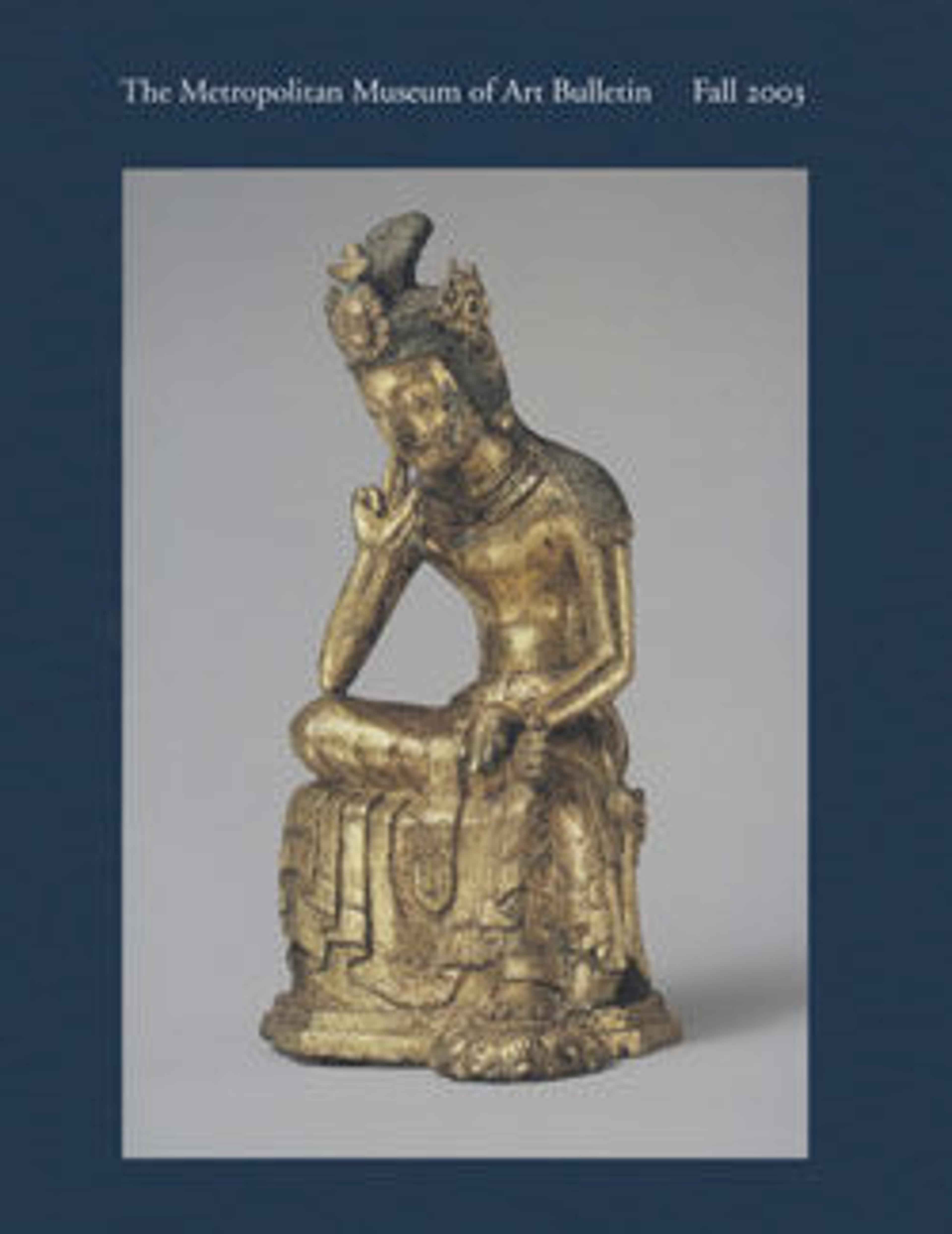 Download PDFFree to download
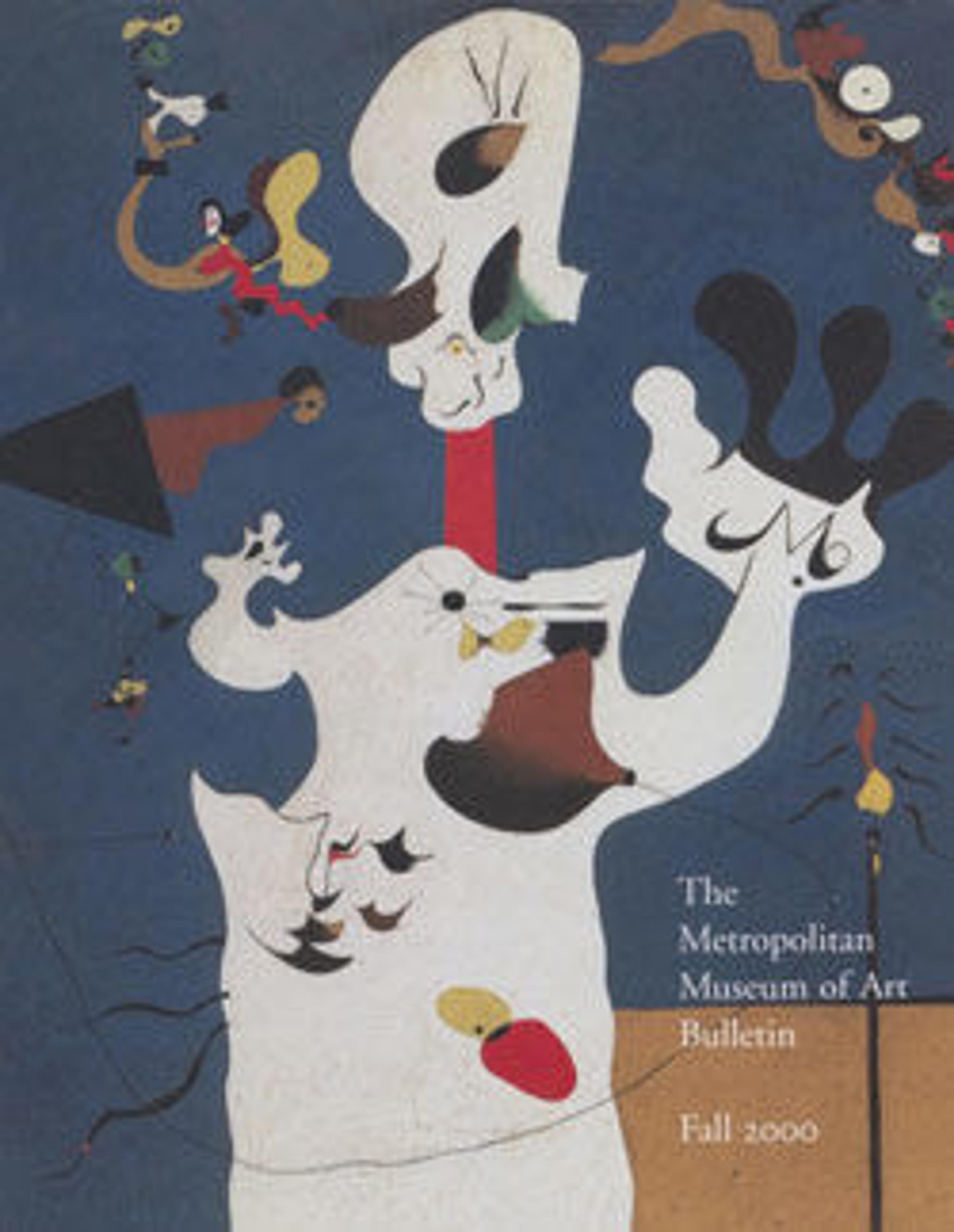 Download PDFFree to download
 Download PDFFree to download
 Download PDFFree to download