MetPublications
Showing 1–8 results of 8
Sort by:
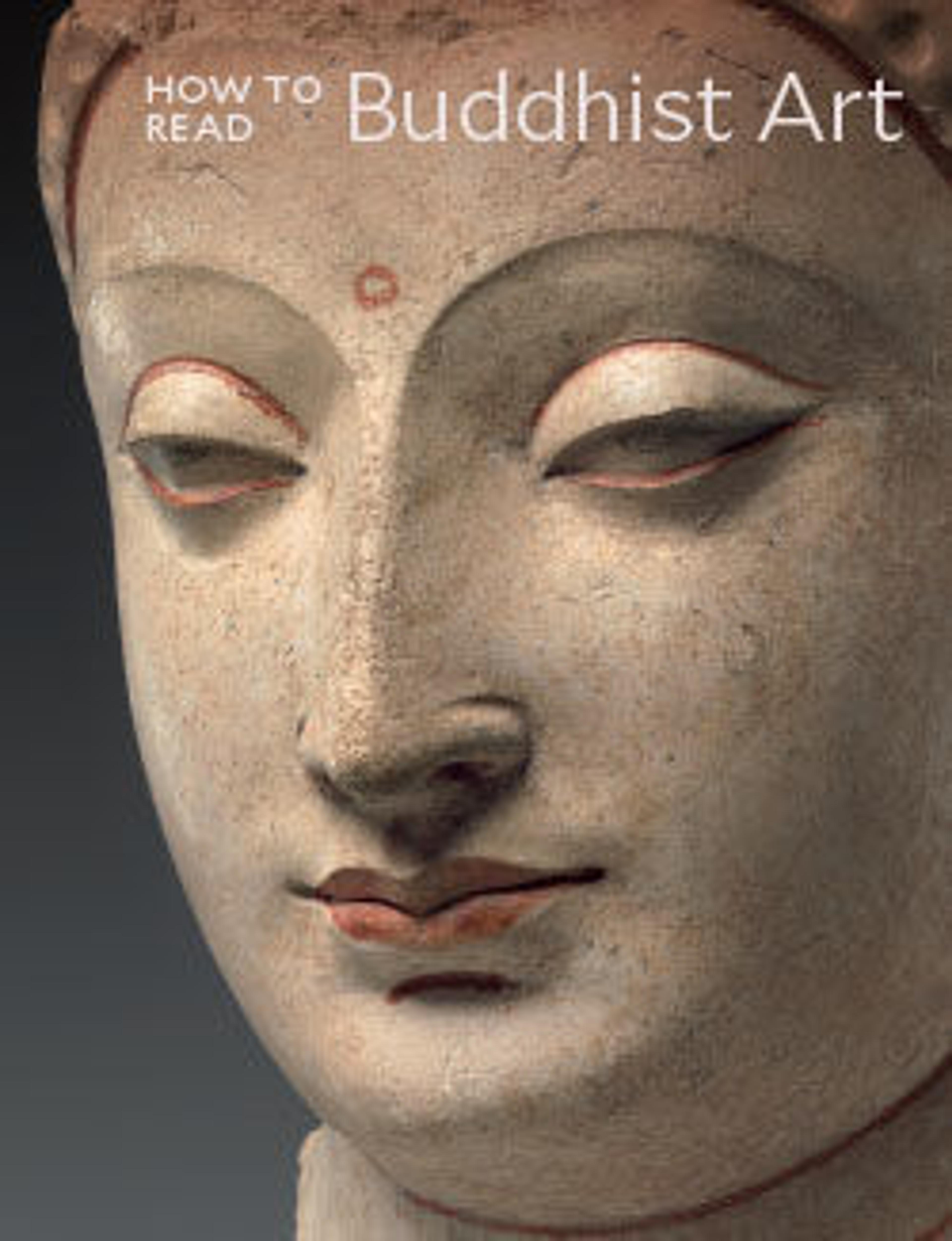 Intended to inspire the devout and provide a focus for religious practice, Buddhist artworks stand at the center of a great religious tradition that swept across Asia during the first millennia. How to Read Buddhist Art assembles fifty-four masterpieces from The Met collection to explore how images of the Buddha crossed linguistic and cultural barriers, and how they took on different (yet remarkably consistent) characteristics in India, Pakistan, Afghanistan, the Himalayas, China, Korea, Japan, Sri Lanka, Thailand, Cambodia, and Indonesia. Works highlighted in this rich, concise overview include reliquaries, images of the Buddha that attempt to capture his transcendence, diverse bodhisattvas who protect and help the devout on their personal path, and representations of important teachers. The book offers the essential iconographic frameworks needed to understand Buddhist art and practice, helping the reader to appreciate how artists gave form to subtle aspects of the teachings, especially in the sublime expression of the Buddha himself.
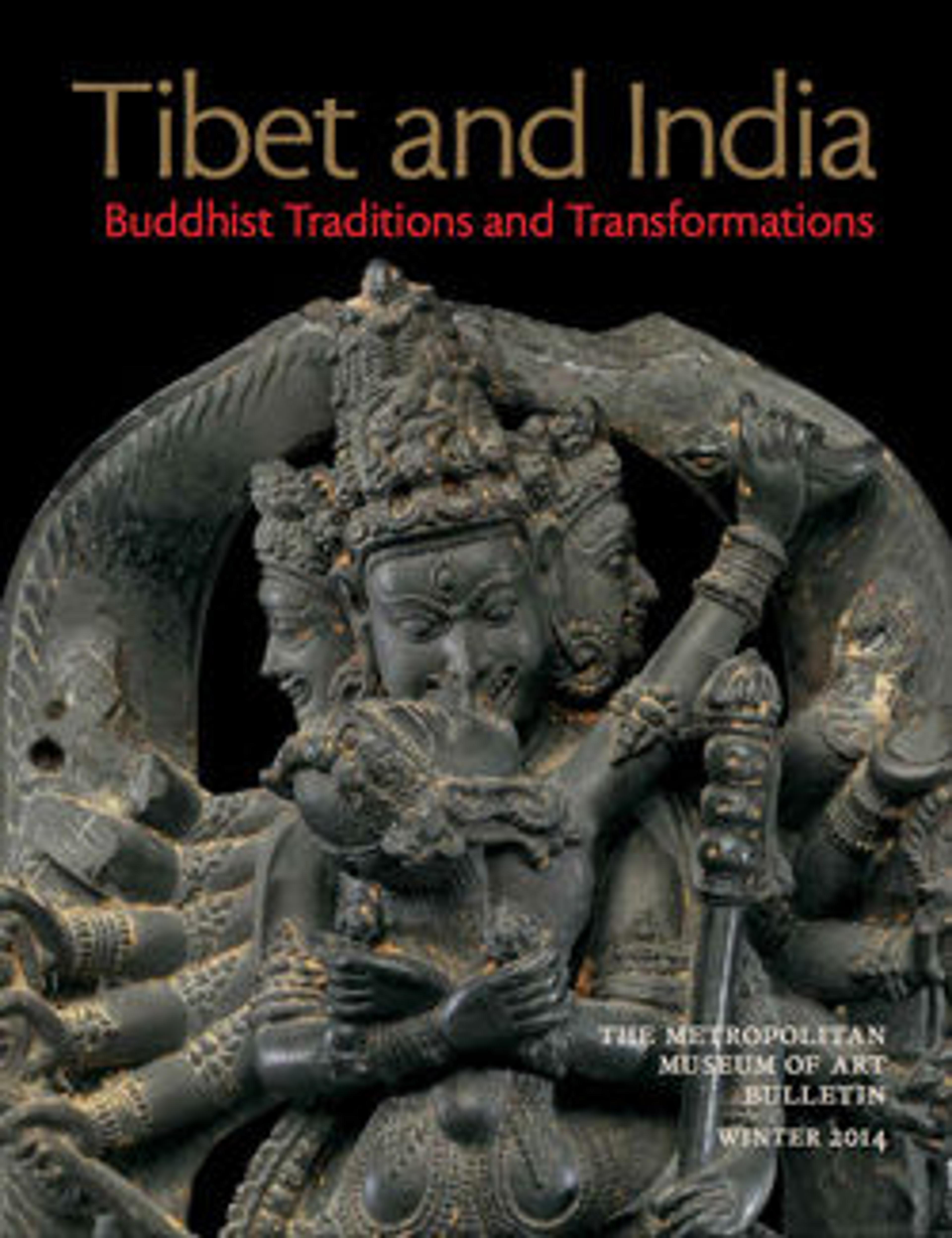 As Buddhism spread out from north India, the place of its origin in the sixth century BC, the core ideas of this great religious tradition were often expressed through images. This Bulletin and the exhibition it accompanies, "Tibet and India: Buddhist Traditions and Transformations," focus on Indian and Tibetan Buddhist art of the eleventh and twelfth centuries, a period that witnessed both the end of the rich north Indian Buddhist tradition and the beginning of popular Buddhist practice in Tibet. At this critical juncture in Buddhist history, a number of Tibetan monks traveled down out of the Himalayas to study at the famed monasteries of north India, where many also set about translating the vast corpus of Buddhist texts. As they visited these centers of scholarship and the pilgrimage sites associated with the Buddha's life, the monks encountered refined works of art—from complex stone carvings to delicately illustrated palm-leaf manuscripts—made by workshops that had been active for more than 1,400 years. These profound works of religious art and the Tibetan images that followed them help shed light on how the Tibetans received and transformed the north Indian image-making tradition.
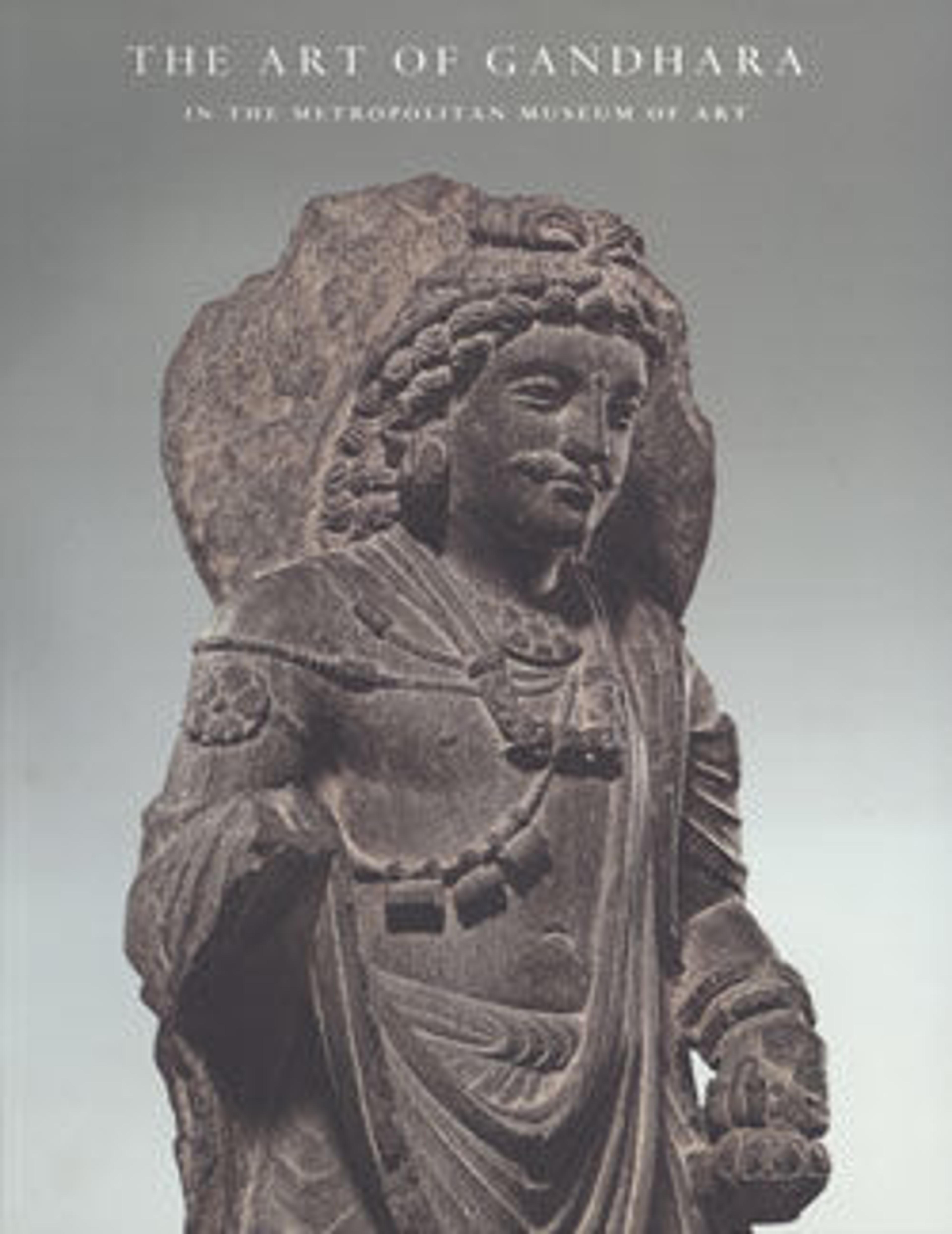 Ancient Gandhara, located in the rugged foothills of the Himalayas in what is today northwest Pakistan and eastern Afghanistan, was for centuries a thriving center of trade along the Silk Road linking China, South Asia, and the Mediterranean. Gandhara's strategic position and wealth attracted many invaders, including the Greeks, Parthians, and Kushans, who brought with them diverse religious traditions and artistic conventions. Much of Gandharan art is thus a compelling fusion of foreign styles that ultimately gave visual form to the region's Buddhist religious ideals. Buddhism, which had emerged from north India, was embraced by the Gandharan people, whose wealth gave them the means to invest large sums of money in the construction of Buddhist monasteries and sacred areas. More sculpture and architecture made in the service of Buddhism has been found in Greater Gandhara than in any other part of ancient South Asia. Among the earliest remains from Gandhara are luxury items found in urban centers, including intricately carved stone dishes, jewelry, and trade goods carved in bone or ivory, dating from the second century B.C. to the first century A.D. The first art associated with Buddhism dates to the early first century A.D., when carved reliefs embellishing religious architecture began to appear. These reliefs typically illustrate important episodes from the biography of the Buddha, such as his birth, first sermon, and death. Following a gradual decline in the narrative sculptural tradition, devotional images of Buddhas and bodhisattvas began to appear: iconic representations that were meant to be associated with major concepts in the religion. In Gandhara devotional sculptures grew dramatically in size from about the late fourth to early fifth century A.D., at the same time as their iconography became ever more complex. By the late fifth century A.D., the patronage of Buddhist monuments in Gandhara had begun to decline, but in Afghanistan this artistic tradition flourished until about the eighth century A.D. It was during this late phase in Afghanistan when devotional representations of Buddhas and bodhisattvas reached truly monumental proportions, such as the famous Buddhas at Bamiyan. The Metropolitan Museum of Art is fortunate to have in its collections a broad and artistically rich sampling of Gandharan art from almost all phases of the region's history, including a unique bronze statuette of the Buddha Shakyamuni from about the first to second century A.D. In surveying these important works, this volume relies on the latest scholarship to refine our understanding of Gandhara's complex cultural history as well as its evolving artistic traditions.
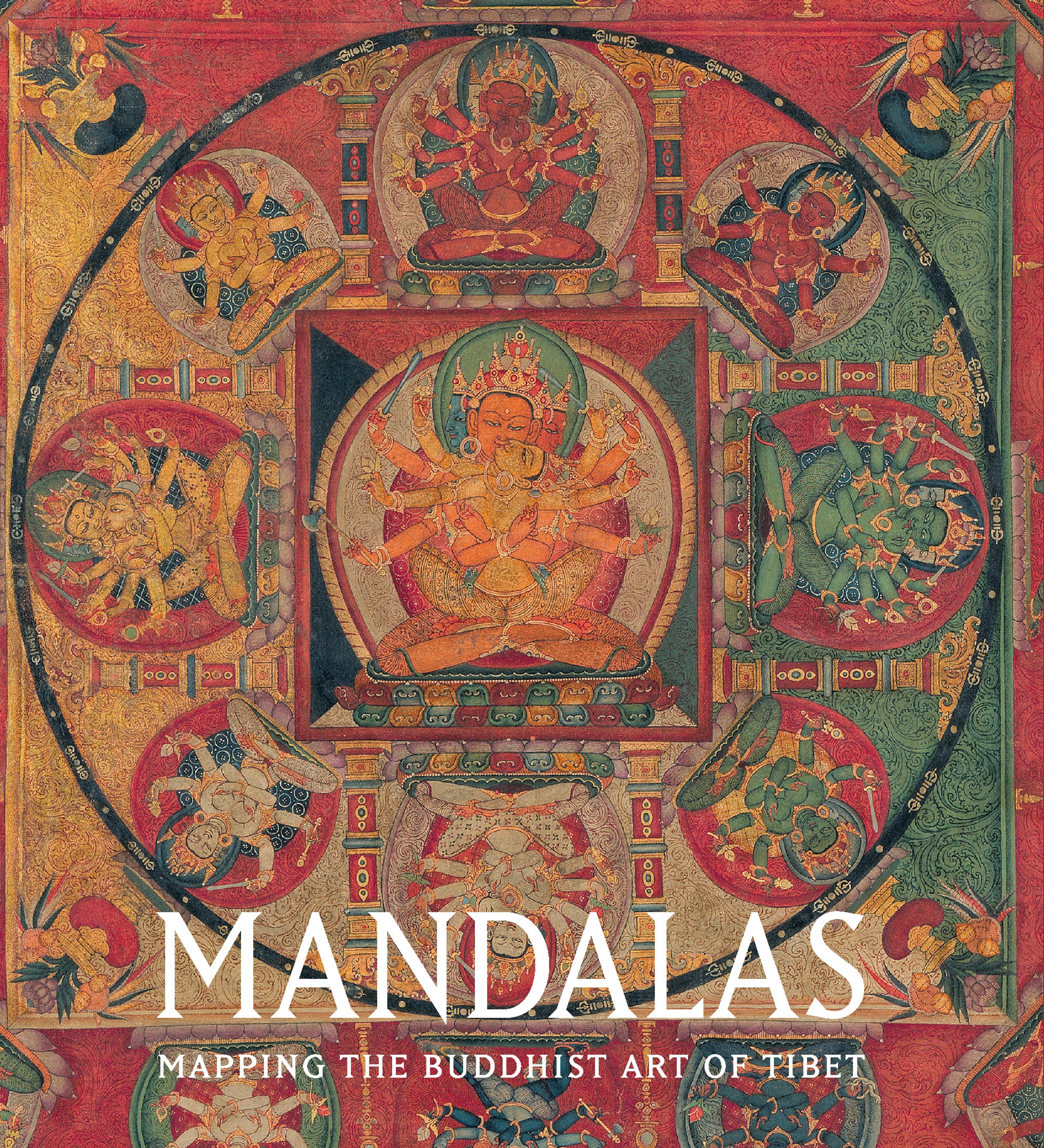 Explores Tibetan mandalas from their ancient origins to the present day, providing a contemporary perspective on a centuries-old Buddhist model of the universe.
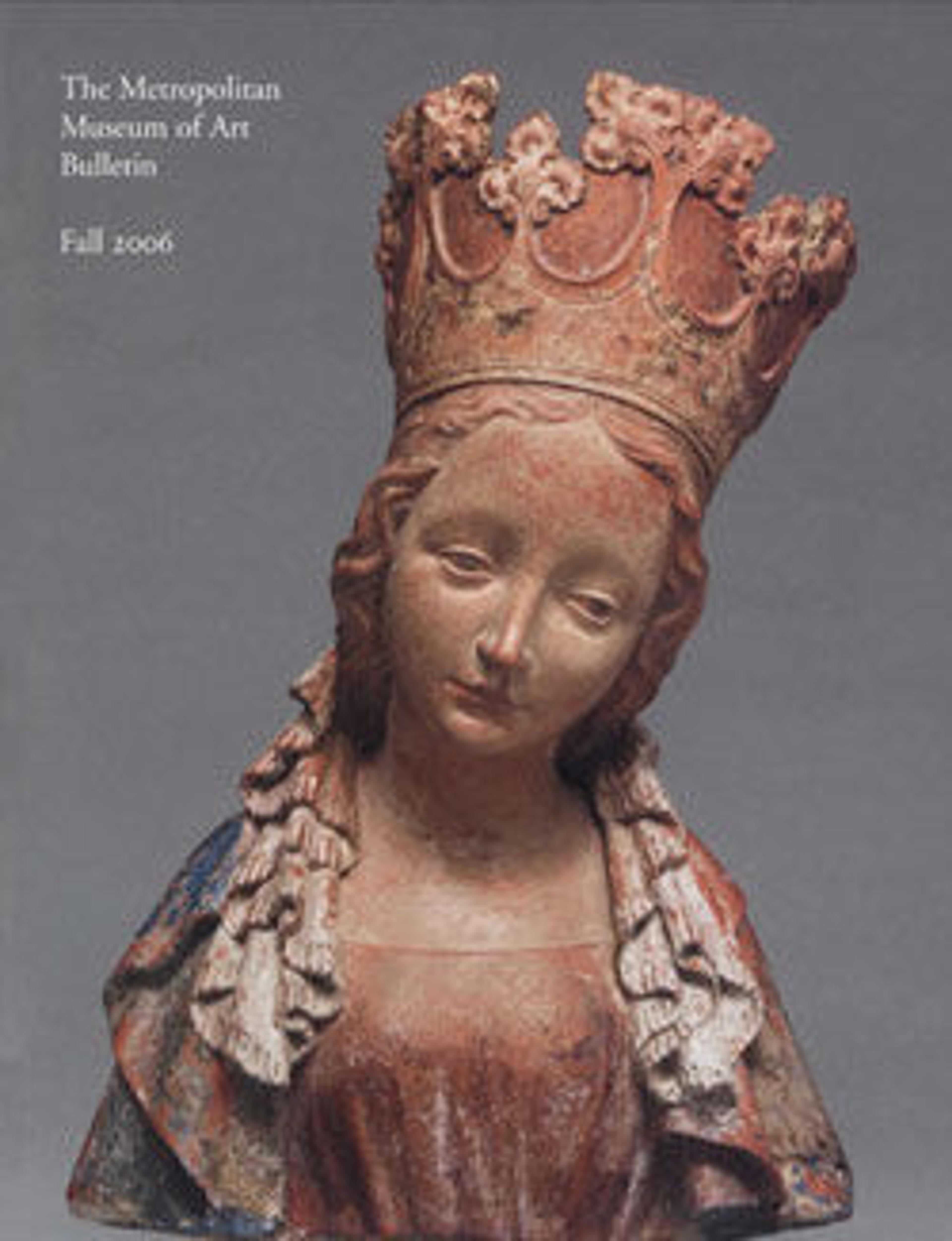 Download PDFFree to download
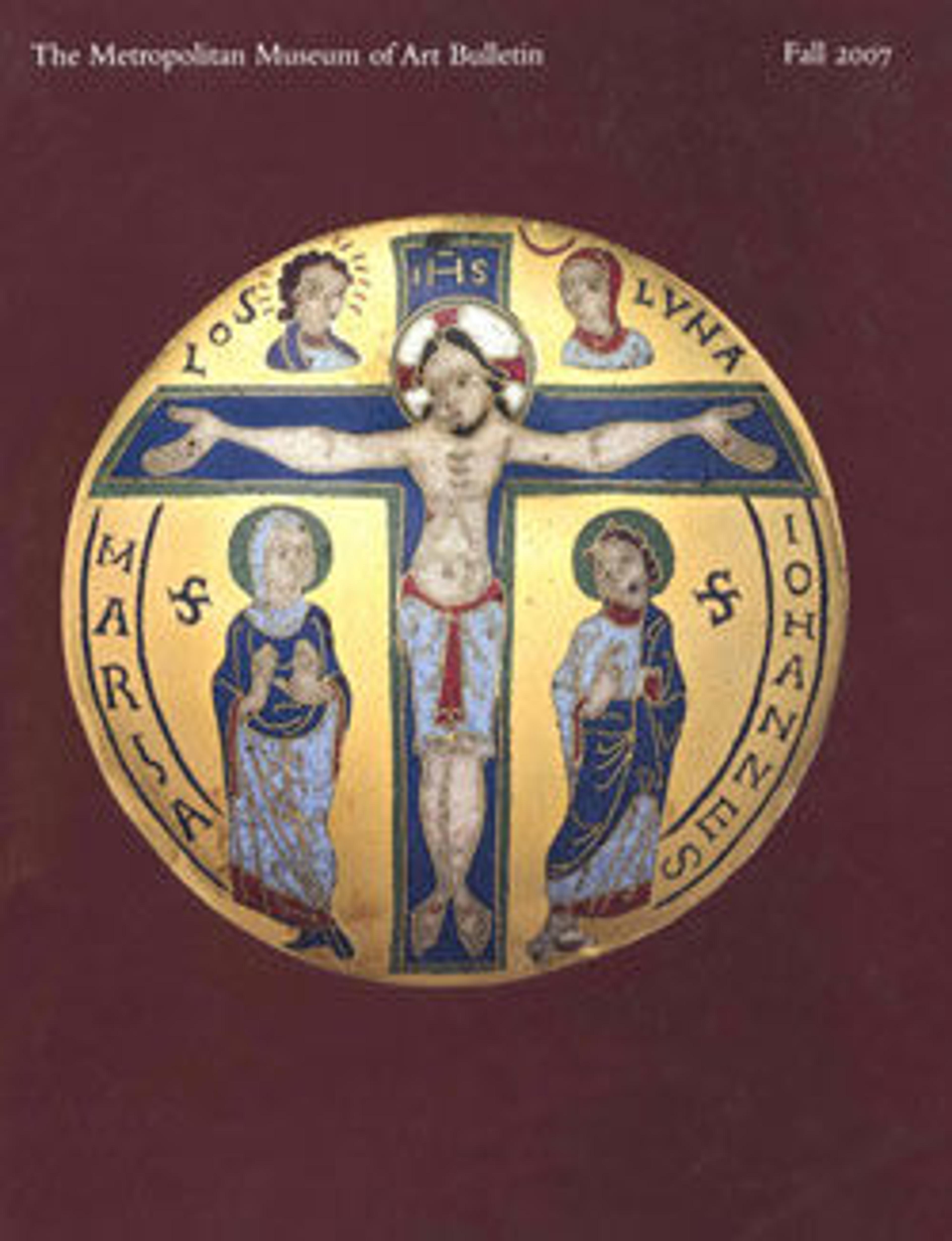 Download PDFFree to download
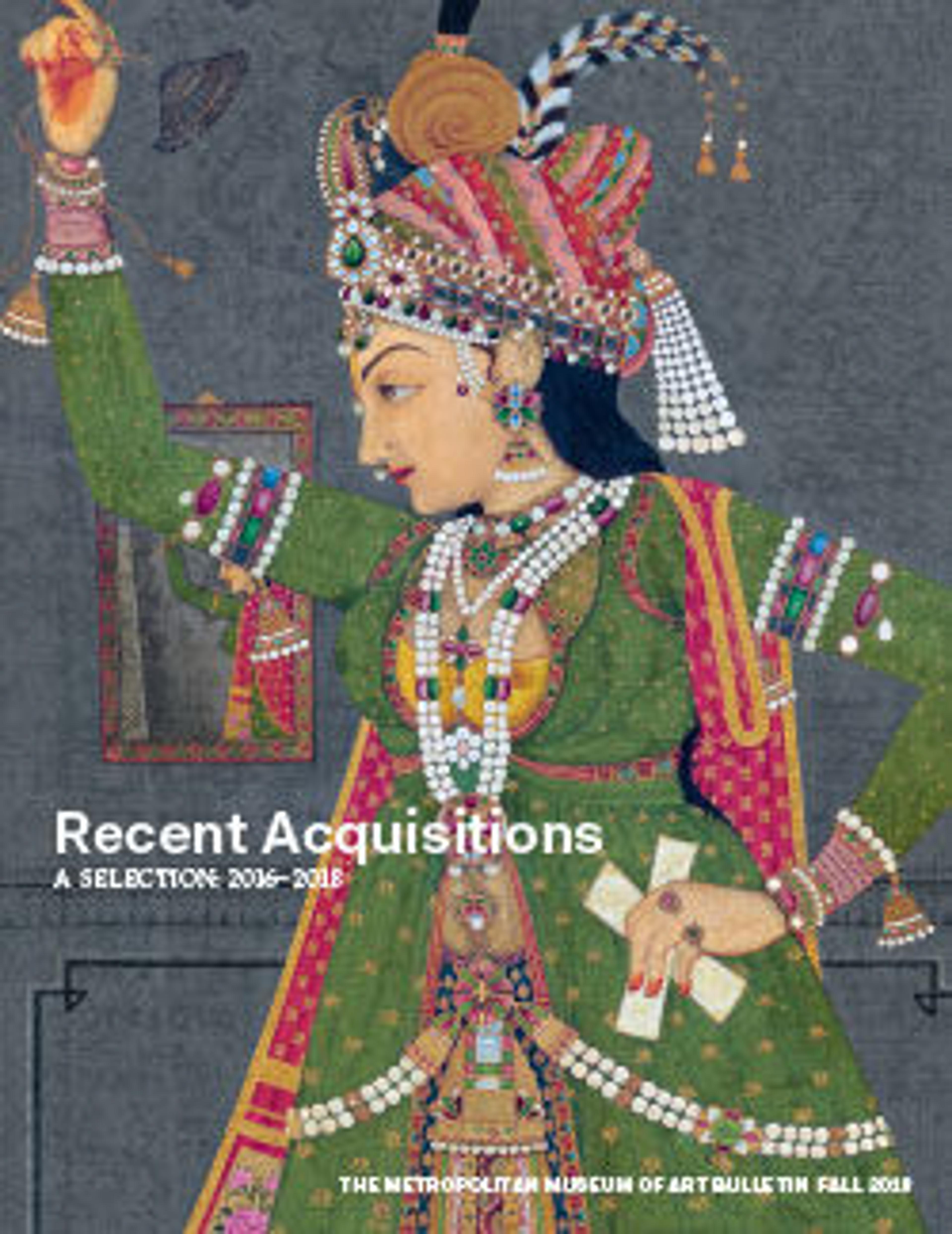 Every two years the fall issue of the Met's quarterly Bulletin celebrates notable recent acquisitions and gifts to the collection. Highlights of Recent Acquisitions 2016–2018 include The Battle of the Little Bighorn by Standing Bear, a Lakota artist who fought in that famous conflict as a young man; Riverbank, an exceedingly rare Chinese landscape from the tenth century; Francesco Salviati’s recently rediscovered portrait of the Florentine doctor Carlo Rimbotti;, and examples of a Qur’an and a Hebrew Bible from medieval Spain. This publication also honors the many generous contributions from donors that make possible the continued growth of the Met's collection.Download PDFFree to download
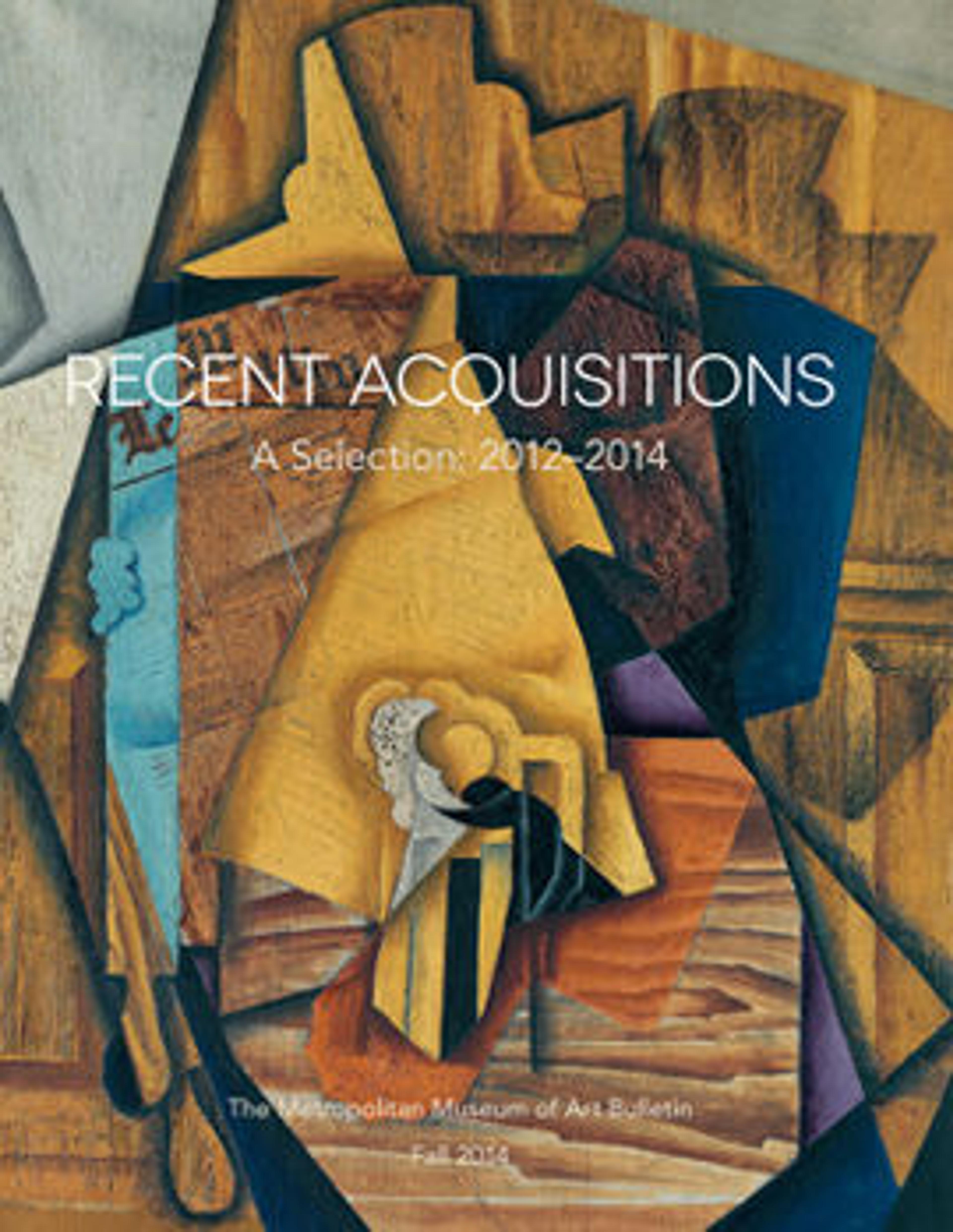 Every two years the fall issue of the Met's quarterly Bulletin celebrates notable recent acquisitions and gifts to the collection. Highlights of Recent Acquisitions 2012–2014 includes the promised gifts of the Leonard A. Lauder Cubist Collection; the lavishly illustrated manuscript known as the Mishneh Torah, by celebrated medieval philosopher Moses Maimonides; paintings by turn-of-the-century Symbolists Ferdinand Hodler and Vilhelm Hammershøi; a superb viola by Jacob Stainer, whose instruments were favored by the Bach and Mozart families; and a magnificent Roman porphyry vessel that is one of the finest to survive from Classical antiquity. This publication also honors the many generous contributions from donors that make possible the continued growth of the Met's collection.Download PDFFree to download