MetPublications
Showing 1–10 results of 150
Sort by:
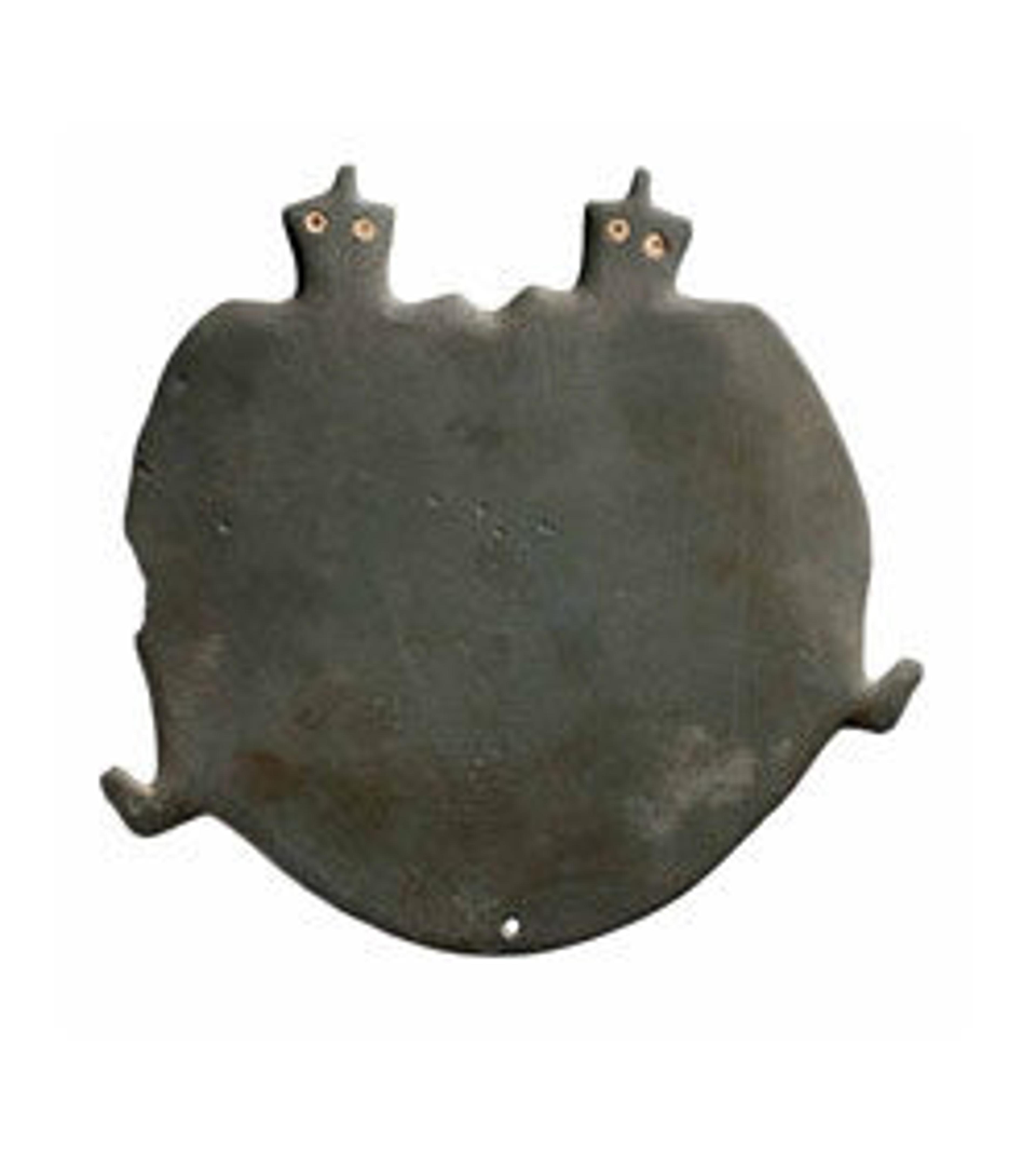 The cultural icons of Pharaonic Egypt, from the Great Sphinx at Giza to the famous burial of Tutankhamun, are among the world's most renowned works of art. Less well known, but equally impressive, are the rare and ancient images of people, animals, and landscapes made by the Egyptians who lived prior to the age of the pharaohs, when the formal conventions of Egyptian art had not yet fully evolved. With illustrations of more than 180 objects created from about 4000 to 2650 BC, Dawn of Egyptian Art presents the art forms and iconography in which the early Egyptians recorded their beliefs about the land where they lived, the yearly events that took place there, and what they thought was important to the eternal survival of their world. Comprehensive texts explore the origins and early development of the culture of ancient Egypt while discussing the relationship between images and writing as well as the representation of the self and the universe.Download PDFFree to download
 Throughout their long history, the ancient Egyptians crafted luminous statues of bronze, copper, silver, and gold for use in interactions with their gods—from ritual dramas enacted in the inner sanctuaries of temples to festival processions and celebrations attended by the multitudes. This volume, which accompanies an exhibition at The Metropolitan Museum of Art, is the first to focus on the art and significance of Egyptian metal statuary. Marshaling fresh insights to present a new appreciation of this lustrous work, the authors trace continuities in the development of the statuary, illuminate how its production was integrated within artistic and social structures, and examine its potential role in ritual practice. Metal statuary offers a surprising view of Egyptian art because the cultural, social, and manufacturing networks from which it emerged were often different from those that produced stone statuary, the more familiar artistic expression of ancient Egypt. In the presence of these extraordinary images of gods and pious individuals, the temples, in particular, emerge as crucibles in which diverse influences came together to replenish the art and beliefs of Egyptian society. The superb statues and statuettes illustrated in this volume were made in a variety of precious metals and copper alloys over a span of some two millennia. Especially dramatic are those from the Third Intermediate Period (ca. 1070–664 B.C.), an era whose conventional name belies its great artistic accomplishment. The splendid statuary from this period, the apogee of the Egyptian metalworking tradition, is perhaps best represented by the sumptuous figure of a priestess and noblewoman named "Takushit," whose entire body surface is covered with texts and depictions of god intricately inlaid with thin strips of precious metal. Also included in this volume are two essays on recent archaeological discoveries that shed light on poorly understood aspects of Egyptian metal statuary. These reports on excavations at the Sacred Animal Necropolis in North Saqqara and at the village of 'Ayn Manâwir in the Kharga Oasis yield insight into the practices surrounding temple statuary, notably that these works were provided by donors for actual use in the temple and, after many years of service, reverently decommissioned and buried in large caches. The final essay explores and explains the intricate technological aspects of Egyptian metal statuary as an integral part of its unique appeal. The technical descriptions provided for each work are thus as precise, detailed and consistent in terminology as possible—crucial considerations for a field of sculptural studies in which accurate information about manufacture and material is inextricably linked to an appreciation of the artistry and history of the medium.Download PDFFree to download
 This picture book features images of Ancient Egyptian Jewelry covering works from Pre-dynastic shell necklaces to intricately designed gold earrings of the Roman period. A brief introductory essay discusses the history of jewelry and the evolution of Ancient Egyptian jewelry craftsmanship.Download PDFFree to download
 This volume features fourteen articles on a wide range of subjects in the field of Egyptian studies, including a discussion of the various forms of sixteen different hieroglyphs.Download PDFFree to download
 The aim of this book is twofold: first, to provide beginning students with step-by-step guidance in drawing hieroglyphs; and secondly, to supplement the observations of Gardiner in the Sign List at the back of his Egyptian Grammar. The examples include all 24 of the common forms of "alphabetic" (monoconsonantal) signs, and a selection of other signs that are either difficult to draw or that call for additional comment—a total of about 200 in all. Comparative material, emphasizing Old Kingdom models, is presented in 175 line drawings. By familiarizing themselves with this material, along with the points made in the Introduction, students will, at the same time, learn a good deal about hieroglyphic palaeography.Download PDFFree to download
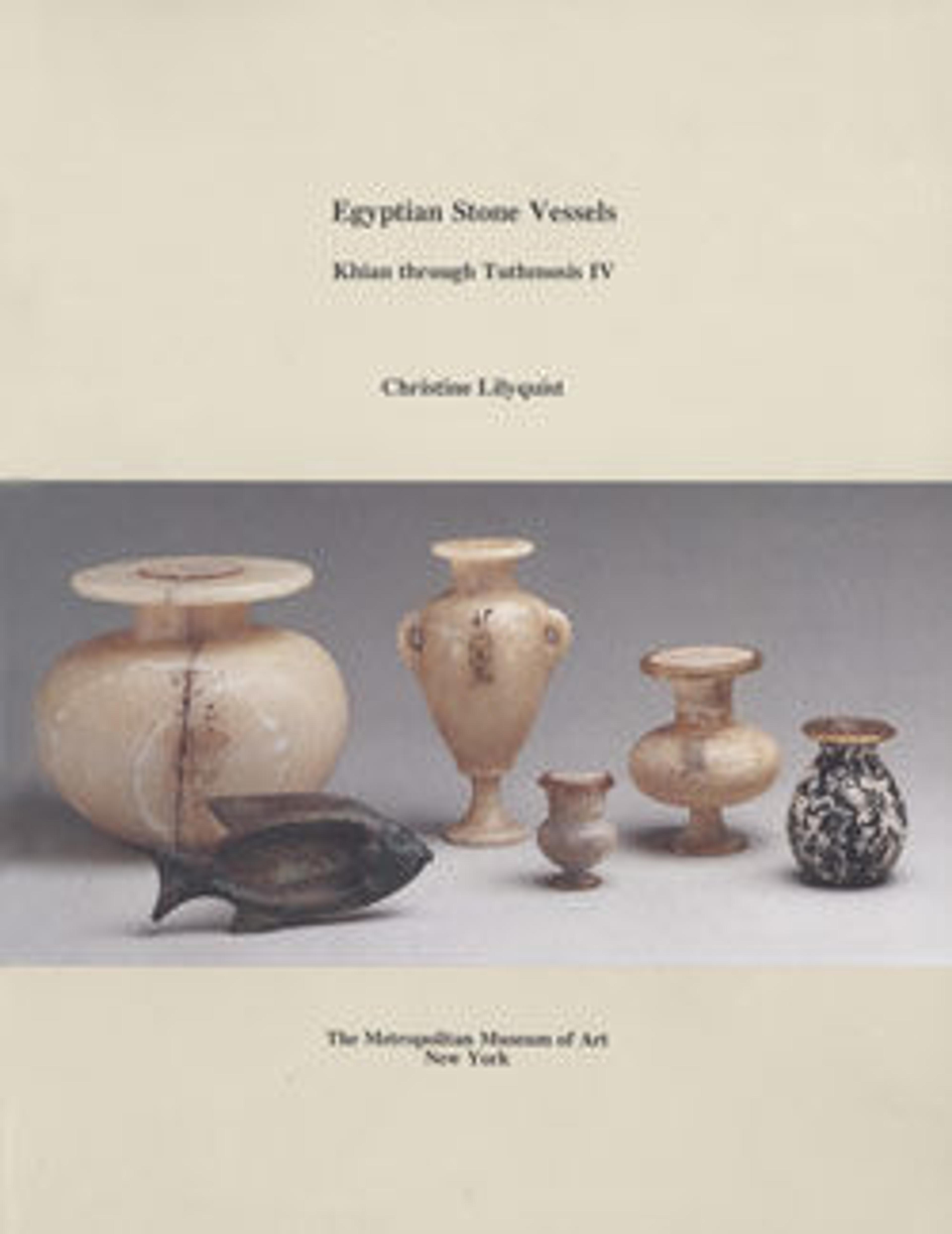 Information from stone vases aids archaeology, history, and comparative archaeology. The length of reign and place of burial for most rulers of the first half of Egyptian Dynasty 18 is debated, and some genealogies and lifespans of royal family members are uncertain. However, vessels have been one of the means used to establish and explain the meager information that exists. This volume seeks to document shapes, materials, and inscriptions for Egyptian stone vessels either from royal tombs or inscribed with royal names from Dynasty 15 (1648–1540 B.C.) to halfway through Dynasty 18 (1550–1295 B.C.). Also included in this volume is a full chronology, 4 appendices, and a select bibliography.Download PDFFree to download
 The two papers that are the subject of this publication were originally presented at a conference which was held in Cairo from January 5th to 9th, 1975, and which was called "Ancient Egypt: Problems of History, Sources and Methods." The conference was sponsored by the Egyptian Antiquities Organization in collaboration with the American Research Center in Egypt and the University Museum, University of Pennsylvania.Download PDFFree to download
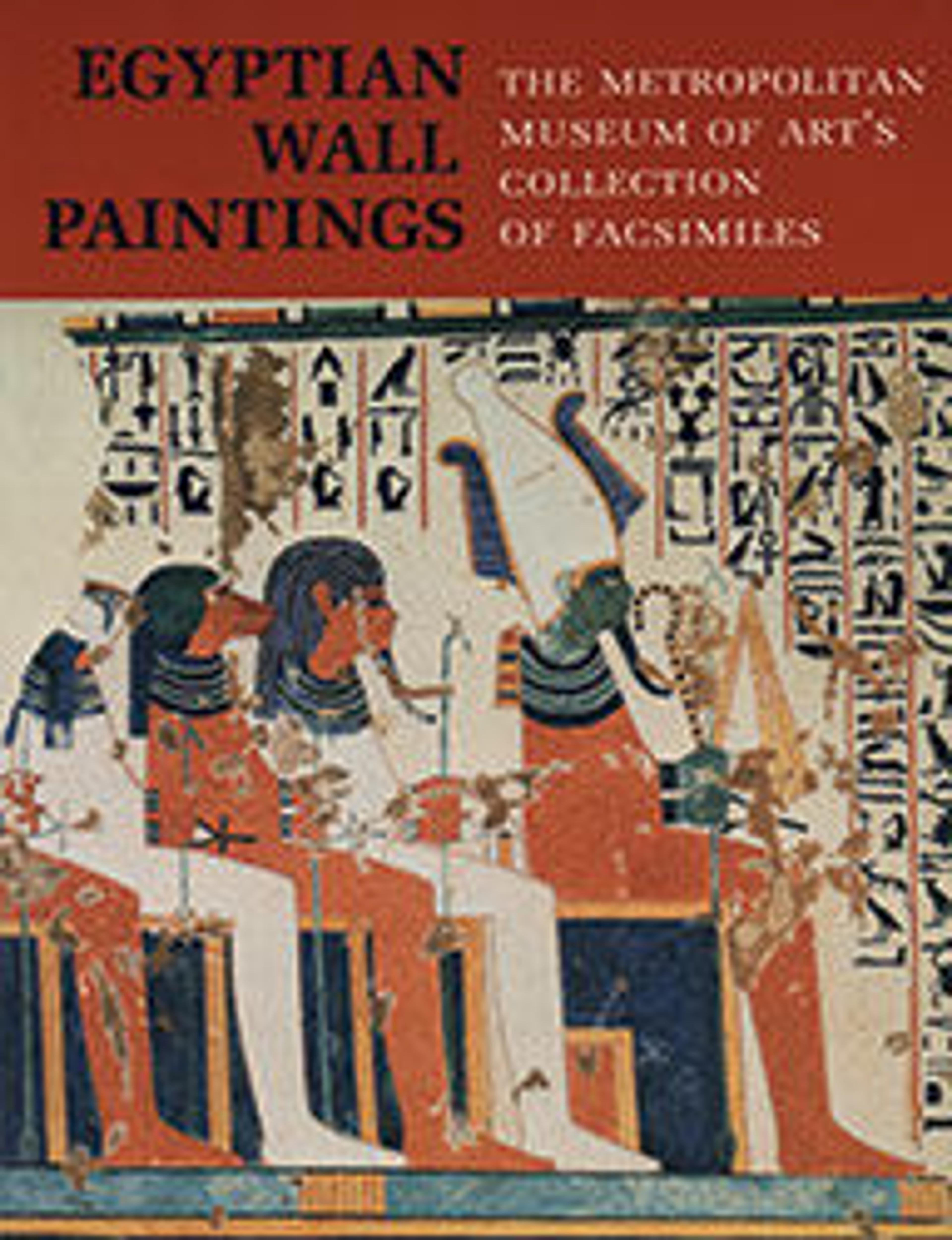 In 1959 the Metropolitan Museum's Department of Egyptian Art began a reinstallation of its collection. At that time the objectives envisioned were modest: a simple rearrangement for chronological consistency; additional lighting; and a few architectural changes. The project changed with curators and directors, however, and the effort now planned for completion in 1983 is a far-reaching one. All objects in the collection are to be displayed, either in primary or secondary galleries; consequently a review of the condition of each work and a reassessment of its dating and importance were undertaken. Under this program the department's extensive collection of facsimiles of wall decoration, principally produced by the Graphic Section of the Museum's Egyptian Expedition between 1907 and 1937 and supported by the Rogers Fund, received new attention. About half of the facsimiles were exhibited in 1930, accompanied by a small catalogue by Ambrose Lansing, then Associate Curator in the Department of Egyptian Art, and selected examples appeared in the old galleries. In 1976, with the opening of Phase I of the complete reinstallation, virtually all the pictures were placed on exhibition. The department has always been cautious about collecting original paintings, as they generally occur in standing monuments. It undertook the facsimile project not only to illustrate "the history of draughtsmanship and painting," as Norman de Garis Davies, head of the Graphic Section, said, but also to acquire aids to understanding and appreciating actual objects in the collection. Today, the facsimiles are valuable records because monuments in Egypt are continually destroyed.Download PDFFree to download
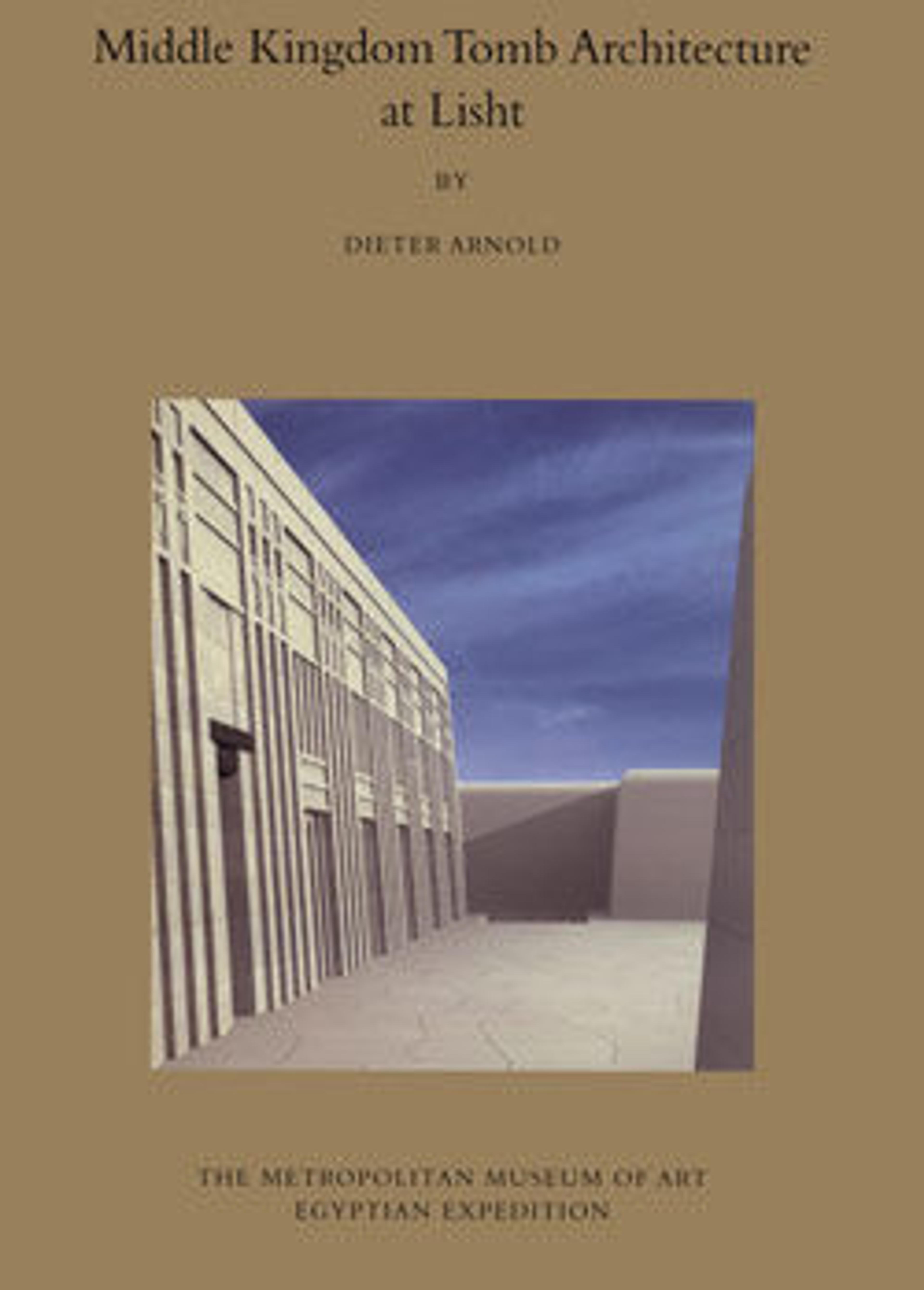 The exploration of the Middle Kingdom cemeteries at El-Lisht, twenty miles south of Cairo, began in 1882, with the opening of the entrances to the pyramids of Amenenmhat I and Senwosret I. From 1906 to 1934 and again from 1984 to 1991 the Egyptian Expedition of The Metropolitan Museum of Art, New York, worked intensively at the Lisht site. In the present volume Dieter Arnold describes and documents the architecture and wall decoration of tombs built for courtiers and officials around the two royal pyramids at Lisht. Ancient tomb robbers and quarrymen had almost totally denuded the Middle Kingdom buildings, but excavation and careful study of remaining foundations, architectural elements, and fragments of relief decoration have enabled the author and his team to reconstruct to a fair degree the form and appearance of these masterpieces of ancient Egyptian architecture. The textual portion ends with an appendix written by James P. Allen, professor of Egyptology at Brown University, that reviews an important biographical inscription from one of the tombs. This amply illustrated volume, which also publishes for the first time one of the most highly artistic painted sarcophagi of the Middle Kingdom, is the twenty-eighth in the series documenting the Museum's fieldwork in Egypt. It provides the architectural background for innumerable sculptures and small objects excavated in the tombs at El-Lisht that are now part of the collections of the Egyptian Museum, Cairo, and of The Metropolitan Museum of Art.Download PDFFree to download
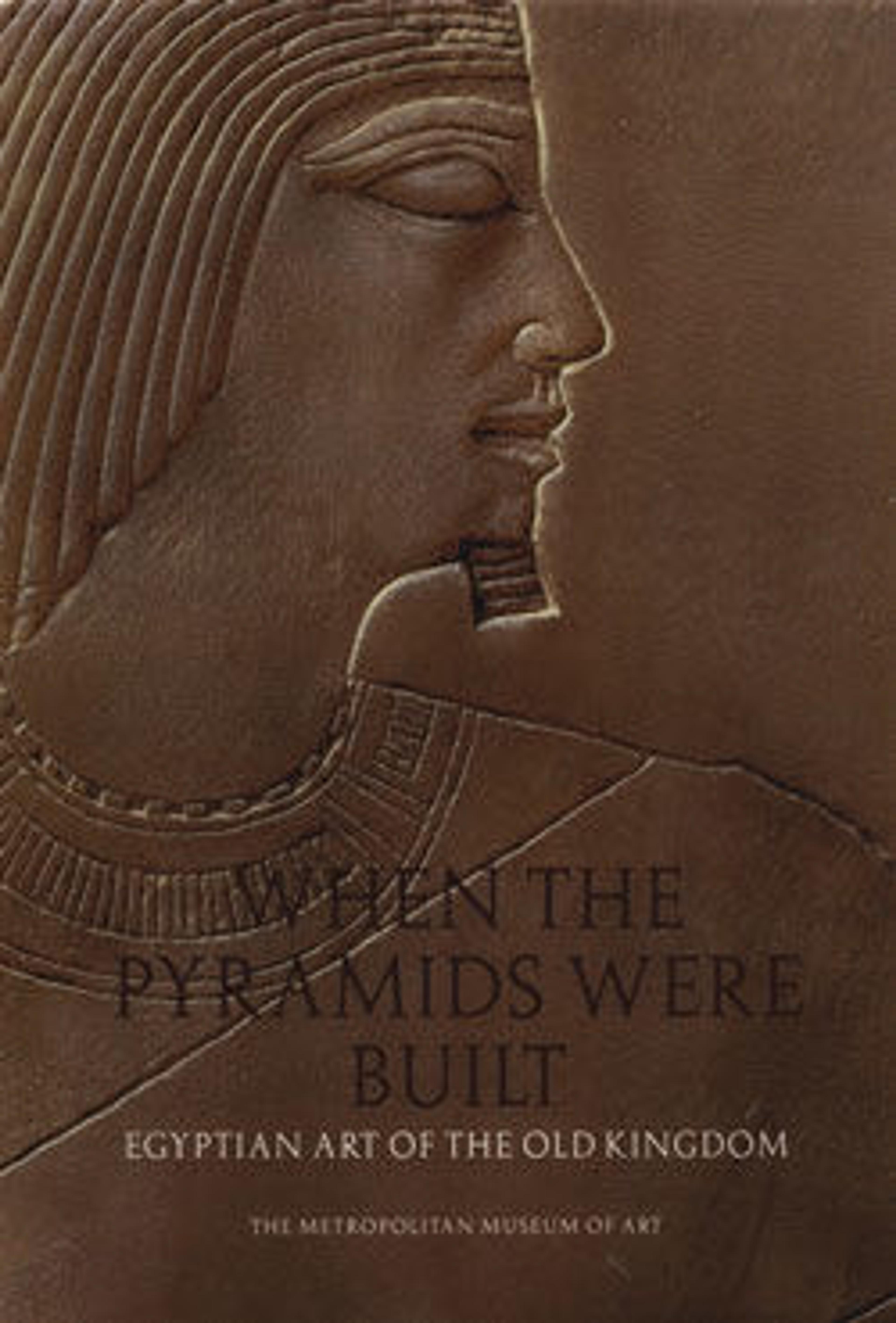 The Old Kingdom (about 2650–2150 B.C.E.) was the first golden age of Egyptian culture, a period that determined the form and character of Egyptian art for centuries to come. From the Third through the Sixth Dynasty, not only were the pyramids built in vast construction efforts, but artists working in an array ofmediums and techniques—stone, wood, precious metals, monumental statuary, reliefs, and wall paintings—created masterpieces that still have the power to move us more than four millennia later. This splendid volume, published to accompany a landmark exhibition organized by The Metropolitan Museum of Art in New York, the Réunion des Musées Nationaux in Paris, and the Royal Ontario Museum in Toronto, brings together 115 Old Kingdom masterworks from museum collections throughout the world. Included are sculptures executed with such an acute observation of musculature and body movement that they brought an unprecedented realism to the rendering of men, women, children, and animals. Several depictions of family groups in particular show the sensitivity with which Old Kingdom artists illuminated human relationships. Individual masterpieces include the monumental statue of Hemiunu, thought to be responsible for the construction of the Great Pyramid at Giza; groups representing the Fourth Dynasty king Menkaure with a queen and various deities; and a unique alabaster statuette showing the Sixth Dynasty queen Ankh-nes-meryre II holding her son, the child king Pepi II, in her lap. In addition, there are delicate relief carvings that provide some of the earliest, most joyful artistic representations of daily life, stunning decorative-art pieces (jars, vases, jewelry, even a musical instrument), and a number of rare Old Kingdom wall paintings. The lively text by Dorothea Arnold offers an overview of the history, society, and art of the Old Kingdom and an informative discussion of each of the illustrated works. All of the pieces were newly photographed for the book by Bruce White.Download PDFFree to download