MetPublications
Showing 1–10 results of 329
Sort by:
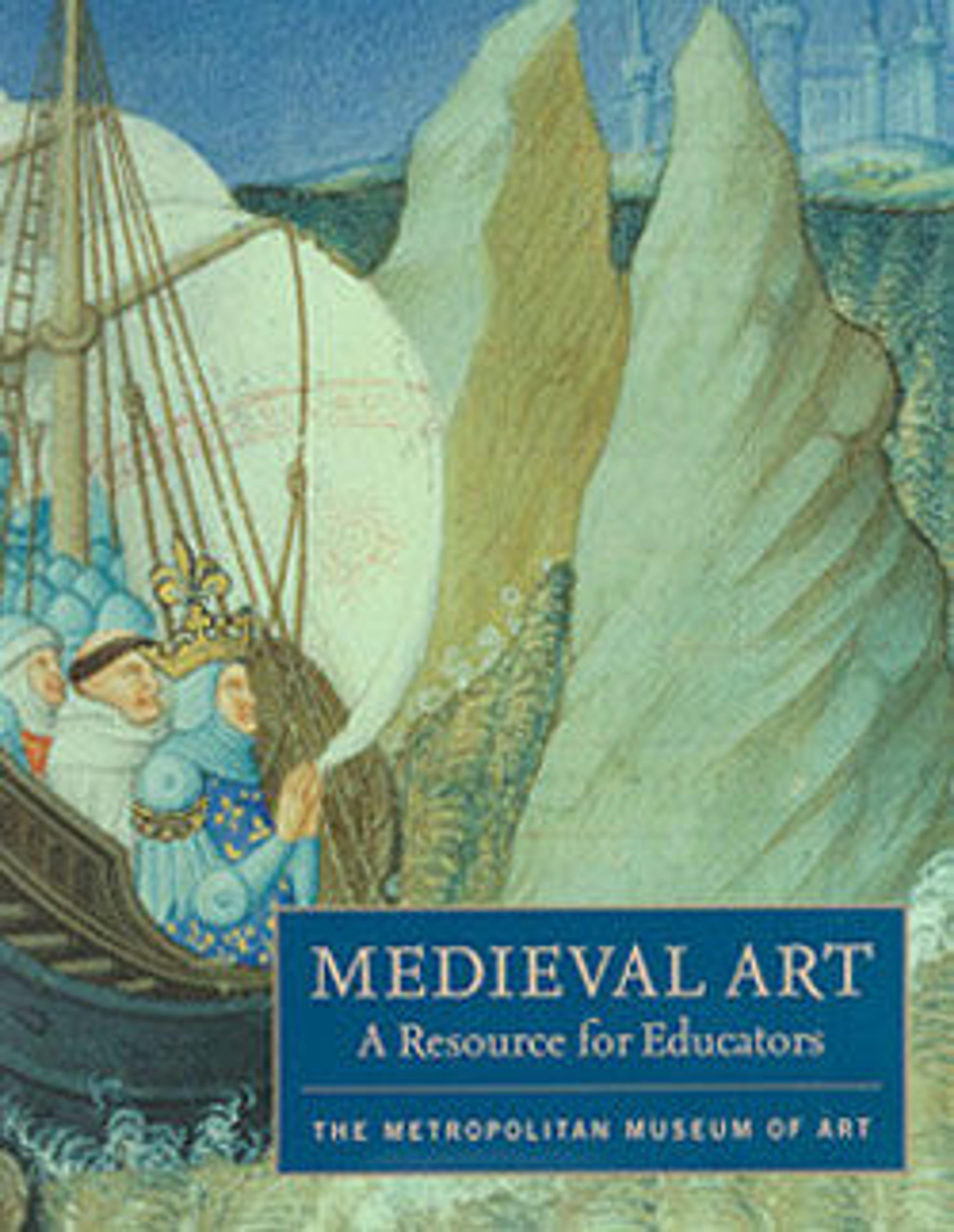 This resource presents medieval art in the Museum's collection from Western Europe and Byzantium and provides strategies for teaching art of the Middle Ages. Among the contents are an overview of medieval times and art; a discussion of aspects of medieval life, including knighthood and monasticism; information on materials and techniques; lesson plans; a map; a glossary, and a bibliography.Download PDFFree to download
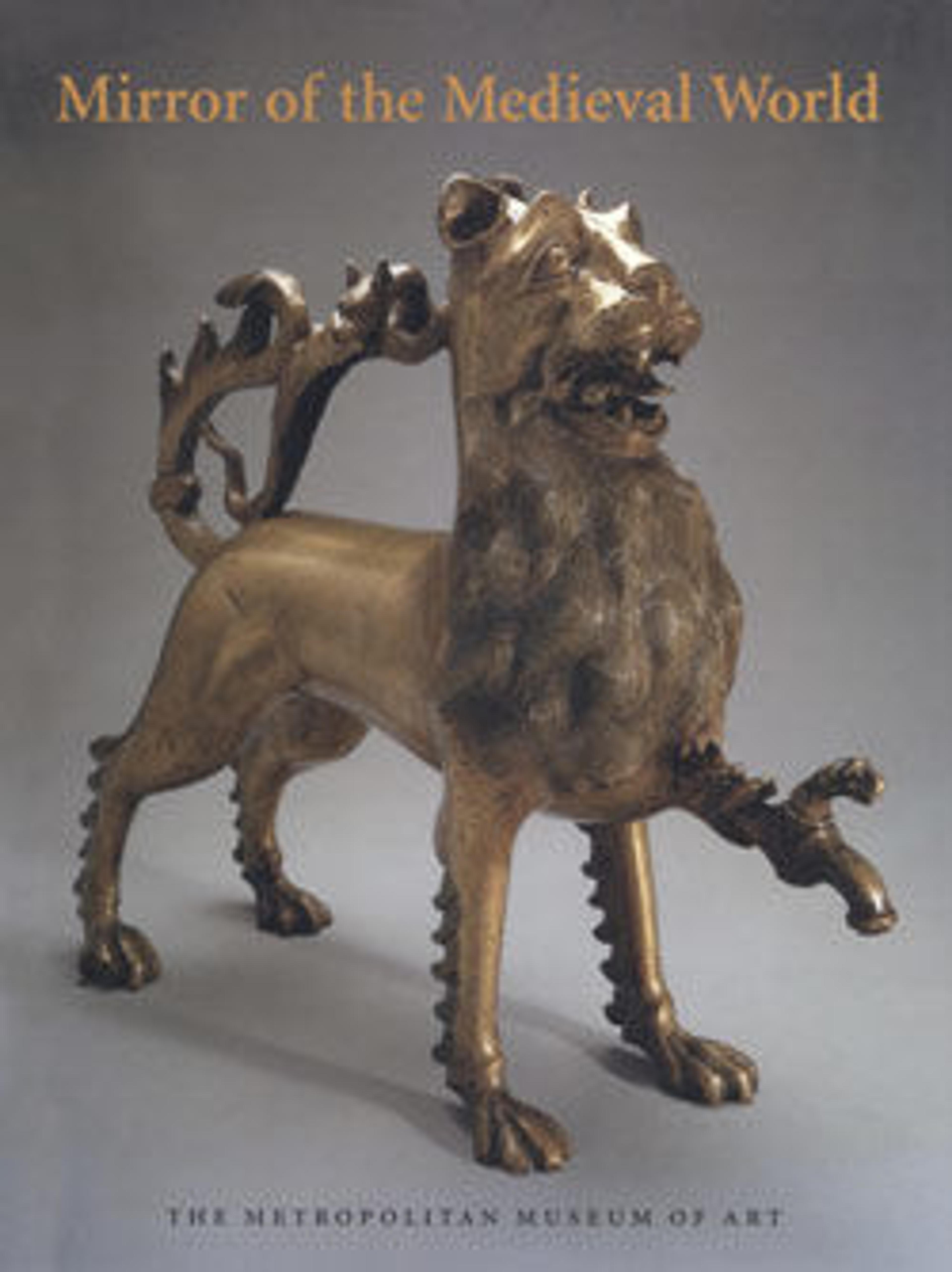 The years 1978 and 1979 were auspicious ones for The Metropolitan Museum of Art: Philippe de Montebello became its Director and William D. Wixom its Chairman of the Department of Medieval Art and The Cloisters. By then, the Museum's two collections of medieval art jointly encompassed outstanding examples of metalwork, illuminated manuscripts, stained-glass panels, limestone and wood sculptures, textiles, and jewelry (both secular and religious), these items dating from the second century B.C. until well into the sixteenth century. During the ensuing years, under the keen eye and connoisseurship of the chairman and his curatorial staff, and supported enthusiastically by the new administration, the department's holdings grew considerably. Highlighted in these pages—and in an accompanying exhibition that allows the public to savor many of the works at first hand—are more than 300 purchases and gifts. Although a great majority of the objects have been on view and have figured in various Metropolitan Museum publications over the last two decades, many works have remained unpublished until now. Following a Foreword by the Director, the Introduction by William D. Wixom provides an overview of the enrichment of the collections under his stewardship. The reader then discovers how lacunae were filled, as highly significant examples of the art of the Middle Ages took their place among others with equally impressive provenances. The catalogue entries, which focus on more than 200 of the most important objects arranged chronologically by type and date, were written by present as well as former curators in the Department of Medieval Art, all recognized as experts in a particular period or field. Large color illustrations of the works, often shown in multiple views, accompany extensive documentation, including provenances, former collection and exhibition histories, notes, and bibliographic references. The book concludes with a Selected Bibliography and an Index. For those unaware of the richness and quality of the medieval treasures available for edification and enjoyment in New York's foremost museum, this volume offers an exciting introduction; for students and scholars of medieval art, it presents the opportunity to take an armchair tour of old favorites encountered on past visits to the Metropolitan's galleries and to become acquainted with the many splendid additions.Download PDFFree to download
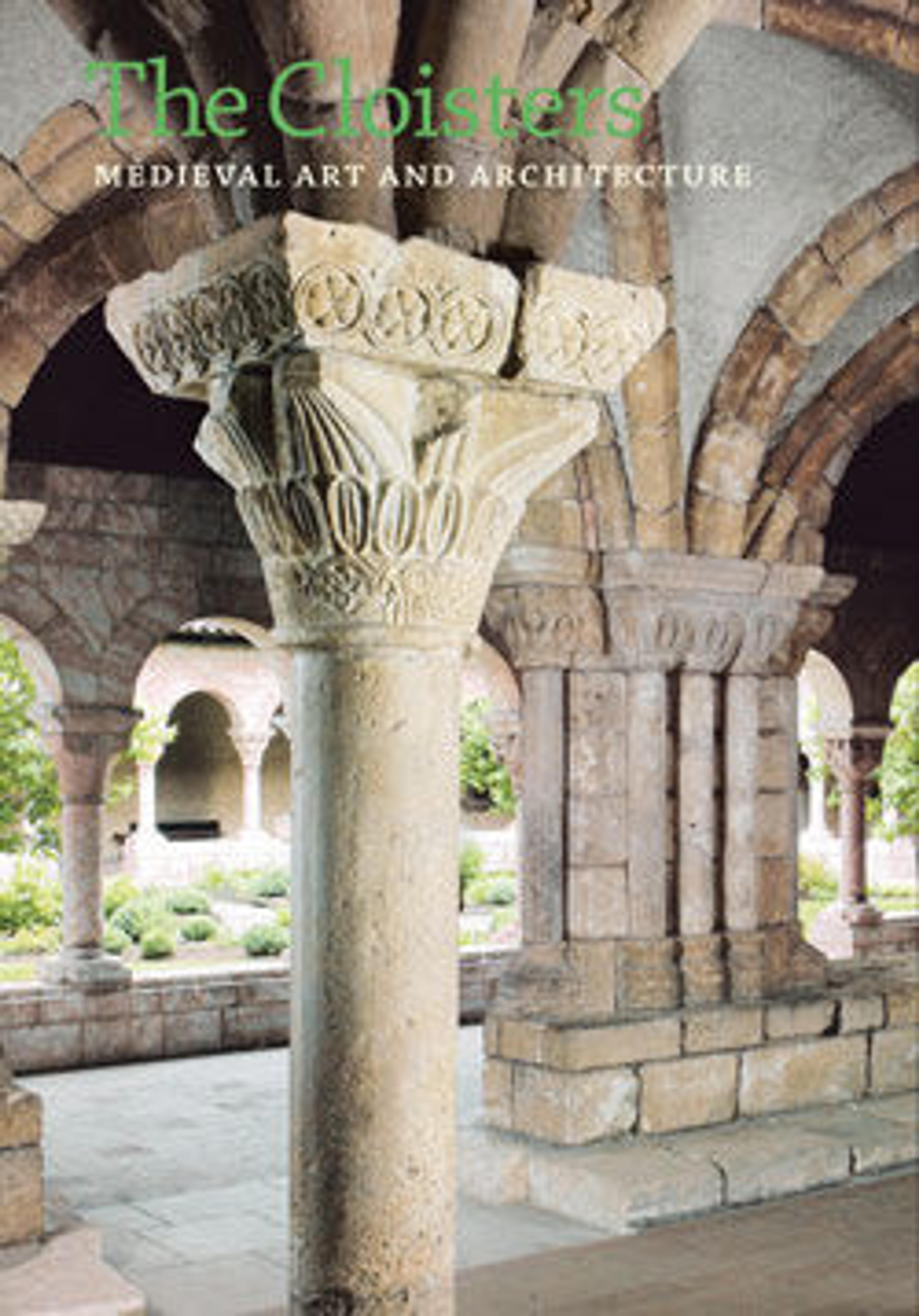 Home to an extraordinary collection of treasured masterworks, including the famed Unicorn Tapestries, The Cloisters is devoted to the art and architecture of medieval Europe. This splendid guide, published to celebrate The Cloisters' seventy-fifth anniversary, richly illustrates and describes the most important highlights of its collection, from paintings, illuminated manuscripts, and exquisitely carved sculptures to monumental architecture evocative of the grand religious spaces and domestic interiors of the Middle Ages. The Cloisters remains a testament to design innovation—a New York City landmark with sweeping views of the Hudson River—featuring original elements of Romanesque and Gothic architecture dating from the twelfth through the fifteenth century. These meditative spaces, including three beautiful gardens cultivated with species known from tapestries, medieval herbals, and other historic sources, combine artistic masterpieces with fragrant plantings and open vistas, offering visitors an oasis of serenity and inspiration—an experience that this book encapsulates and enhances.
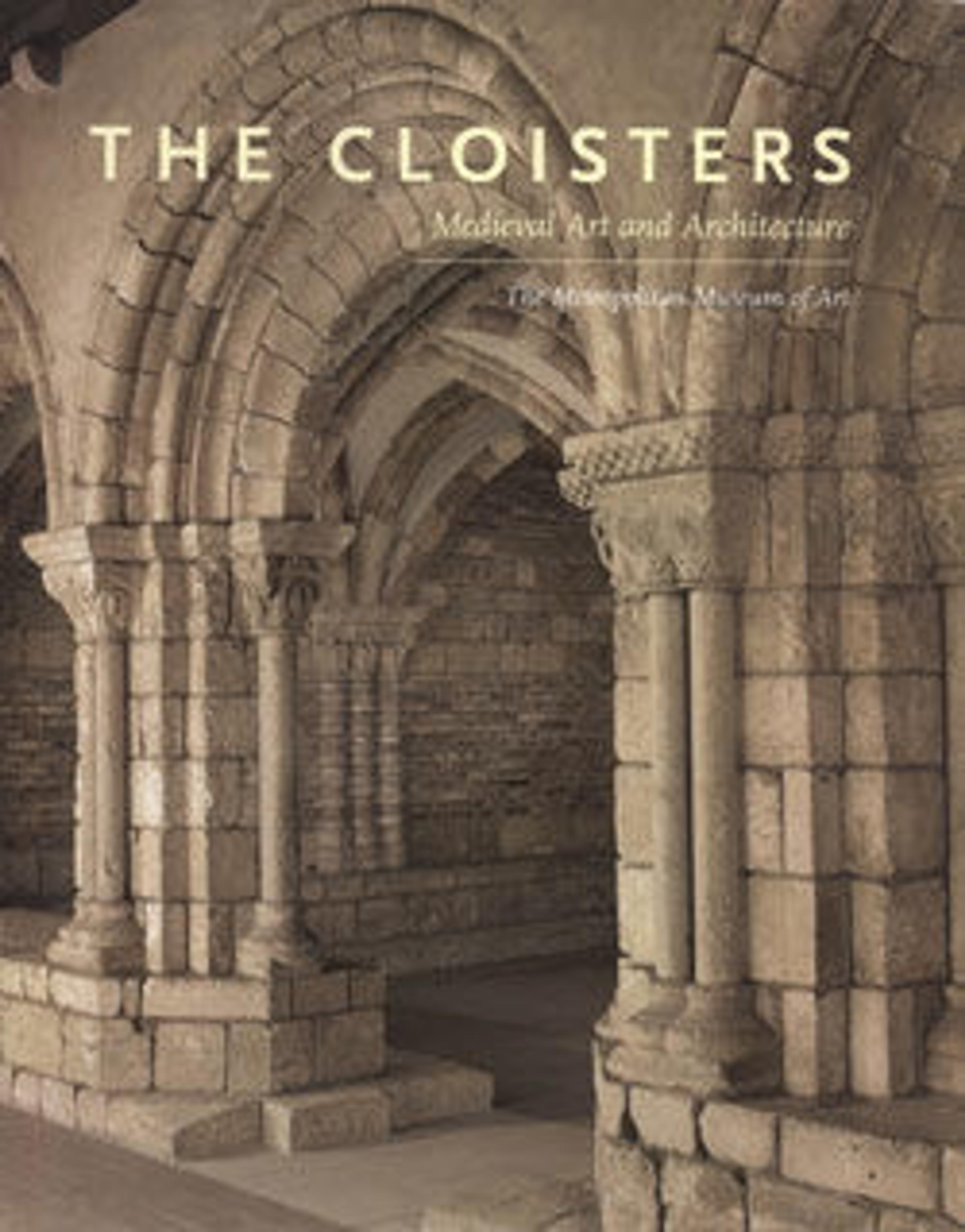 The Cloisters, a branch of The Metropolitan Museum of Art, is home to an extraordinary collection of art and architecture from medieval Europe. Praised after it opened in 1938 as "the crowning achievement of American museology," The Cloisters remains a triumph of design innovation. Incorporated into the very fabric of the building are portions of five medieval French cloisters and many other monuments arranged in an environment that thoughtfully evokes the grand religious spaces and domestic interiors of the Middle Ages. Many of the galleries at The Cloisters reflect the original functions of the architectural fragments they include, such as the Fuentidueño apse, a massive half-dome transported block by block from a church in northern Spain. Others provide a harmonious setting for the works of art on display, which to date number more than five thousand objects from the Romanesque and Gothic periods. Three of the reconstructed cloisters also enclose beautiful gardens planted with species known from medieval herbals, tapestries, and other historical sources. Of the thousands of visitors who make pilgrimages to The Cloisters each year, many come not only to experience its incomparable artistic treasures but also to enjoy its seasonal flowerings and its majestic setting in Manhattan's Fort Tryon Park, with breathtaking views of the Hudson River and the Palisades. More than 125 highlights of The Cloisters are presented here, beginning with some of the earliest pieces in the collection, from about A.D. 800, and finishing with later works that foretell the arrival of the Renaissance in western Europe. By surveying these elaborate tapestries, delicate carvings, and other objects in roughly the historical sequence in which they were created, we glimpse the evolving styles and artistic traditions of the Middle Ages and gain a more meaningful understanding of the contexts in which many of them appeared. Among the masterpieces on display at The Cloisters are the famed Unicorn Tapestries, the richly carved twelfth-century ivory cross associated with the abbey of Bury St. Edmunds, known as the "Cloisters Cross," the exquisite triptych by the Netherlandish painter Robert Campin, and many fine examples of manuscript illumination, enameling, metalwork, and stained glass. Complete with digital color photography, map, floor plan, and glossary, The Cloisters: Medieval Art and Architecture is a contemporary guide that will reward students and enthusiasts of the Middle Ages as well as visitors seeing the Museum for the first time.Download PDFFree to download
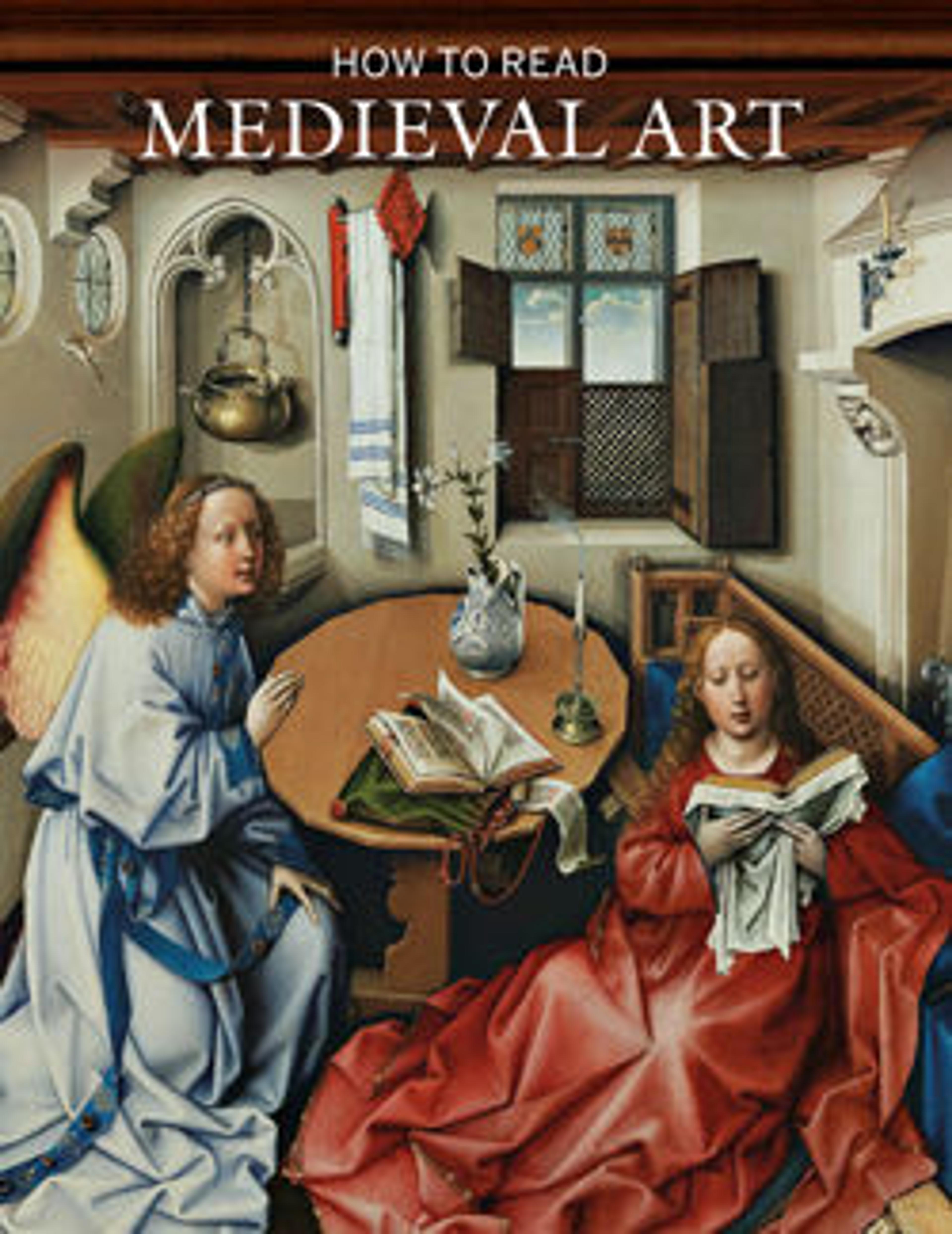 The intensely expressive art of the Middle Ages was created to awe, educate and connect the viewer to heaven. Its power reverberates to this day, even among the secular. But experiencing the full meaning and purpose of medieval art requires an understanding of its narrative content. This volume introduces the subjects and stories most frequently depicted in medieval art, many of them drawn from the Bible and other religious literature. Included among the thirty-eight representative works are brilliant altarpieces, stained-glass windows, intricate tapestries, carved wood sculptures, delicate ivories, and captivating manuscript illuminations, all drawn from the holdings of the Metropolitan Museum, one of the world's most comprehensive collections of medieval art. Iconic masterworks such as the Merode Altarpiece, the Unicorn Tapestries, and the Belles Heures of the duc de Berry are featured along with less familiar work. Descriptions of the individual pieces highlight the context in which they were made, conveying their visual and technical nuances as well as their broader symbolic meaning. With its accessible informative discussions and superb full-color illustrations, How to Read Medieval Art explores the iconographic themes of the period, making them clearly recognizable and opening vistas onto history and literature, faith and devotion.
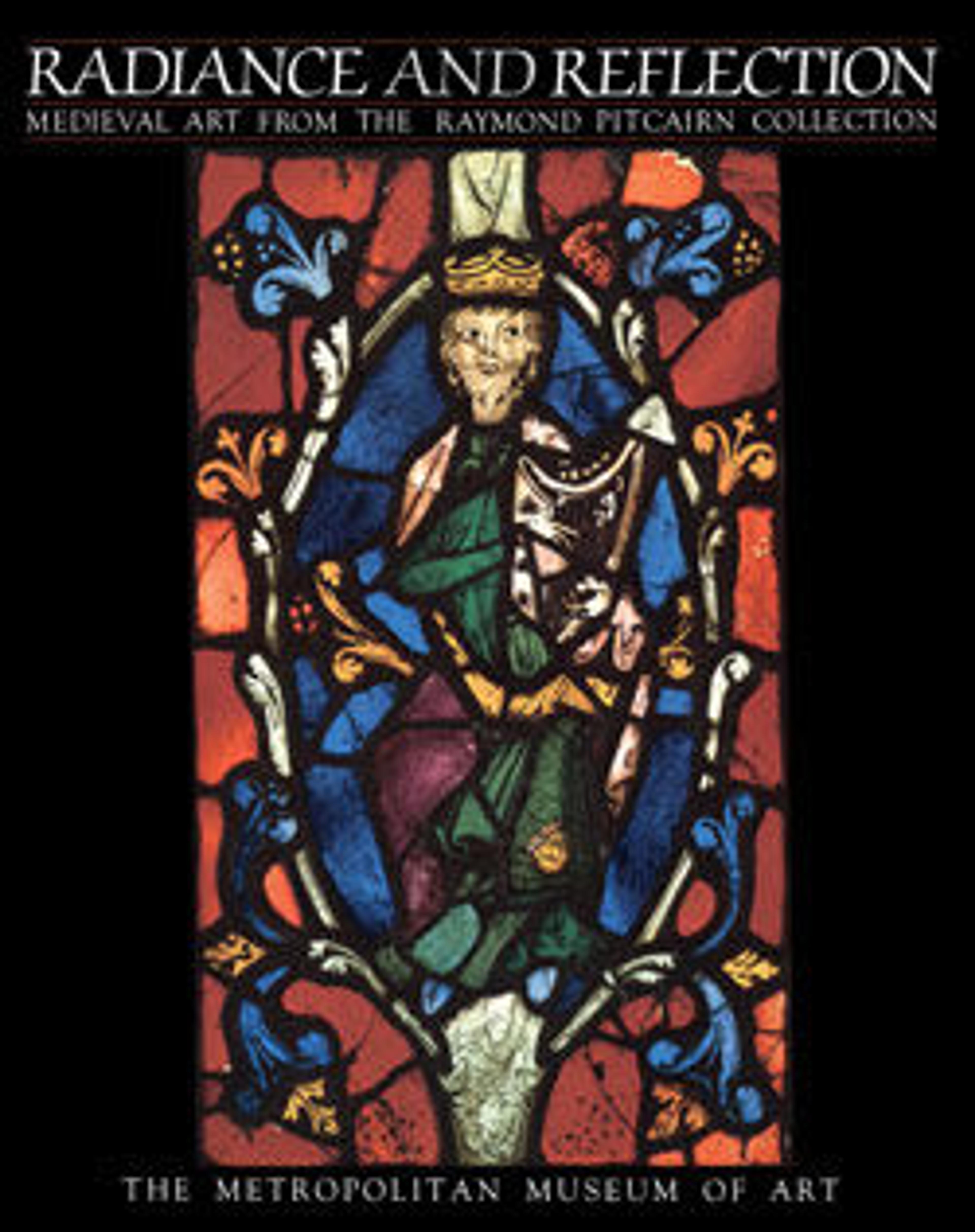 The Romanesque and Gothic art that was assembled by Raymond Pitcairn in the early part of this century represents the world's finest and most extensive collection of medieval sculpture and stained glass still in private hands. Raymond Pitcairn's activities as a collector began with an architectural commission—the creation of a cathedral for the General Church of the New Jerusalem in Bryn Athyn, Pennsylvania. His motives for collecting monumental sculpture and stained glass were twofold: He sought definitive exemplars from the "Age of the Cathedrals" to inspire his craftsmen to make the new cathedral a fitting place to worship, and he delighted in the simple pleasure of possessing unique and beautiful objects. The title of this exhibition, "Radiance and Reflection," evokes the essence of medieval art. Natural light, whether reflected from the carved surfaces of sculpture or radiating from the stained-glass windows of churches, was equated by theologians of the Middle Ages with divine light. Medieval art exploited these light effects, which constantly transformed, modified, and re-created the image. To paraphrase the eminent art historian Henri Focillon, Romanesque sculpture is a delicate mesh of deep shadow, close knit and continuous, in which a labyrinth of ornament and image hugs the stone block from which it is carved. In Gothic sculpture, these complications are replaced by more tranquil surfaces, and by modeling in large, simple planes, on which light falls without complexity. Twelfth-century stained glass retains the monumentality of Romanesque calligraphy, its radiant forms shaped in accordance with the demands of the field. In thirteenth-century windows, these forms are multiplied and distributed over immense solar tapestries, which set the Scriptures, as well as profane history, against the open sky. The epic fervor of the twelfth century has given way, in both sculpture and glass, to a kind of reserved majesty, an image of life bathed in light. Through the splendid works of art in the Pitcairn collection, we are offered a glimpse of these qualities of which Focillon has written. The variety and originality of medieval creativity embodied in these masterpieces make them a continual source of refreshment to the eye and to the spirit. Until now, the Pitcairn collection has been little known, even to scholars of medieval studies. Only a small sampling from Bryn Athyn has been seen by the general public, through loans to the Philadelphia Museum of Art in 1931, and at three, more-recent exhibitions at The Metropolitan Museum of Art—"Medieval Art from Private Collections" (held at The Cloisters in 1968), "The Year 1200" (part of the Metropolitan Museum's centennial celebration in 1970), and "The Royal Abbey of Saint-Denis in the Time of Abbot Suger, 1122–1151" (at The Cloisters in 1981). For "Radiance and Reflection: Medieval Art from the Raymond Pitcairn Collection," Jane Hayward, Curator at The Cloisters, and an expert in the field of medieval stained glass—and the mastermind behind this exhibition—has selected 122 splendid works of medieval art from the Glencairn Museum in Bryn Athyn.Download PDFFree to download
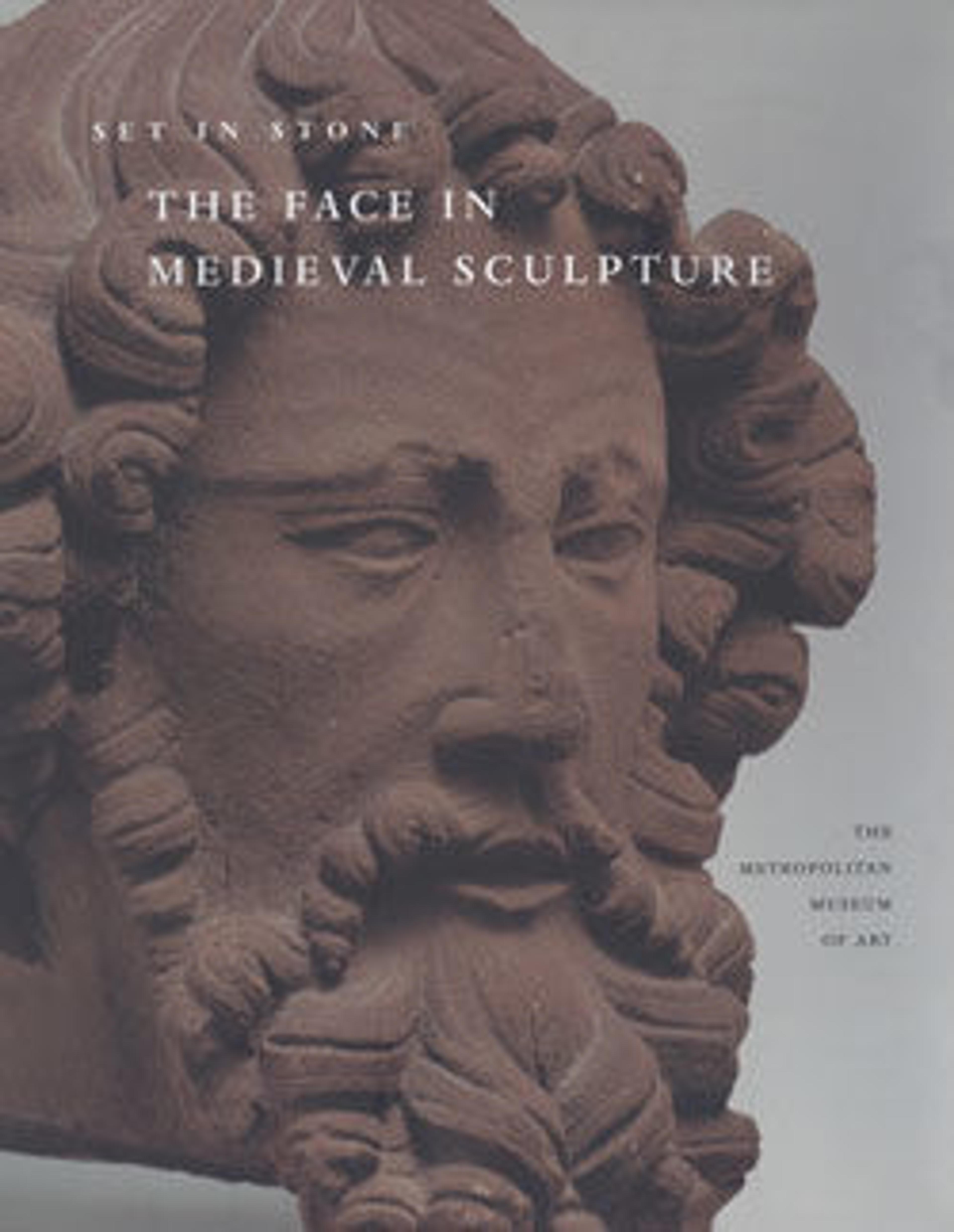 Faces in medieval sculpture are explorations of human identity, marked not only by evolving nuances of style but also by ongoing drama of European history. The eighty-one sculpted heads featured in this beautifully illustrated volume provide a sweeping view of the Middle Ages, from the waning days of the Roman Empire to the Renaissance. Each masterful sculpture bears eloquent witness to its own history, whether it was removed from its original context for ideological reasons or because of changing tastes. As a work of art, the sculpted head is a particularly moving and vivid fragment; it often seems to retain some part of its past, becoming not unlike a living remnant of an age. In antiquity and throughout the Middle Ages it was generally believed that the soul resided in the head, as articulated by Plato in the Timaeus. The head was thus understood to be a center of power, the core of individual identity, and the primary vehicle for human expression, emotion, and character. Many medieval sculpted heads became separated from their settings—often churches or ecclesiastical monuments—by the seemingly endless destruction and displacement of art works in Europe during and after the Middle Ages. Political and religious ferment, neglect, shifts in taste, and simply time itself: all exacted a heavy toll. During the French Revolution, in particular, legions of stone figures lost their heads in a course of mutilation that paralleled the infamous guillotine. In many cases the artistic or aesthetic merits of a given fragment are all that remain of the original work's context, meaning, and significance. Some heads survived precisely because of their innate beauty, or perhaps out of reverence for the grand monuments to which they once belonged. Seven thematic sections retrace the history of these heads using both traditional art-historical methods, such as connoisseurship and archaeology, as well as the latest scientific technologies. In his introduction to the volume, Charles T. Little provides an overview of these general themes, which include Iconoclasm, The Stone Bible, and Portraiture. An essay by distinguished scholar Willibald Sauerländer discusses the complex and fascinating issue of physiognomy in medieval art, from menacing or carnivalesque grotesques to the beatific visages of saints and apostles. Sauerländer presciently observes, "To learn about 'the fate of the face' in the Middle Ages—a period torn by strife, faith, and fear—may prove today to be more than a mere art-historical concern."Download PDFFree to download
 If you have walked through a wood of wild ginger, forget-me-nots, and unfurling ferns, or wandered in a meadow of strawberries, yarrow, and oxeye daisies, you have had the opportunity to admire medieval plants. Sweet Herbs and Sundry Flowers is an introduction to medieval plants and gardening practices by way of the gardens of The Cloisters. In her work as assistant horticulturist at The Cloisters, Tania Bayard has become aware of the many questions visitors ask about medieval gardening. Tania addresses those questions here, providing a list of the plants in The Cloisters' gardens. The delight in reading Sweet Herbs and Sundry Flowers is the realization that the modern gardener's experience is not unlike that of gardeners one thousand years ago. Then, as now, garden plots were selected for adequate light and water drainage, the soil was prepared in the spring, noxious weeds and stones were removed, the ground was tilled and raked, and cow manure was added for fertilizer. Seeds and young plants were lovingly tended. When the plants were mature, roots, stems, leaves, flowers, and fruits were harvested for food, medicines, and various household uses. Following the fall harvest, the ground was readied for winter, and thoughts of spring were always present. How wonderful it is that we share with the medieval gardener the same labors and joys, getting our hands dirty with soil as did the ninth-century monk, Walahfrid Strabo.Download PDFFree to download
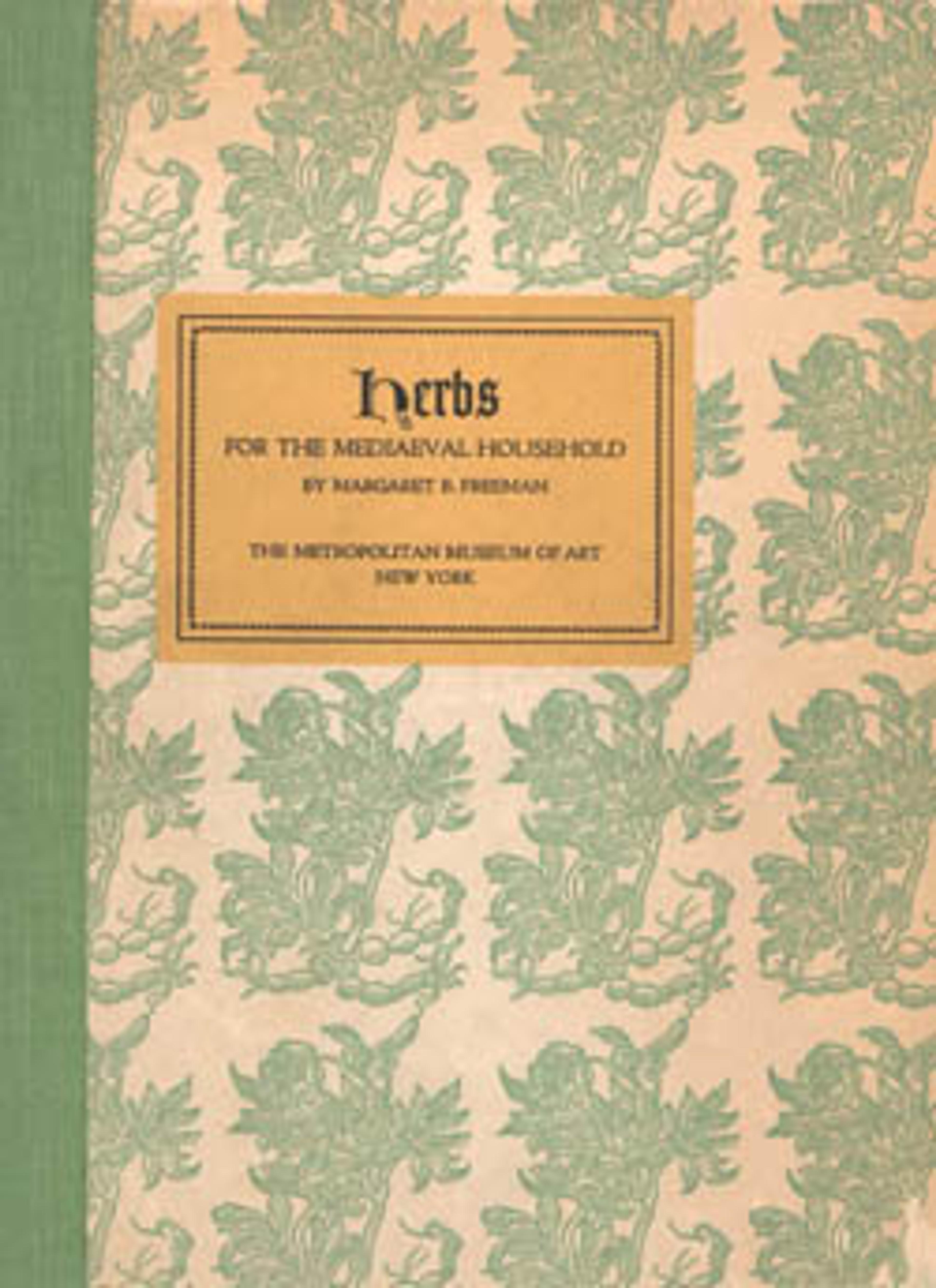 Covering nearly seventy different herbs, this book details each plant’s specific role in several aspects of medieval society including cooking, healing, and pest control. Illustrated with 16th century prints which highlight the practical applications and symbolic significance of botanicals in the household as well as prints of the featured plants from a 15th century manuscript, this book provides a clear but thorough introduction to herbs and their diverse uses in medieval Europe.Download PDFFree to download
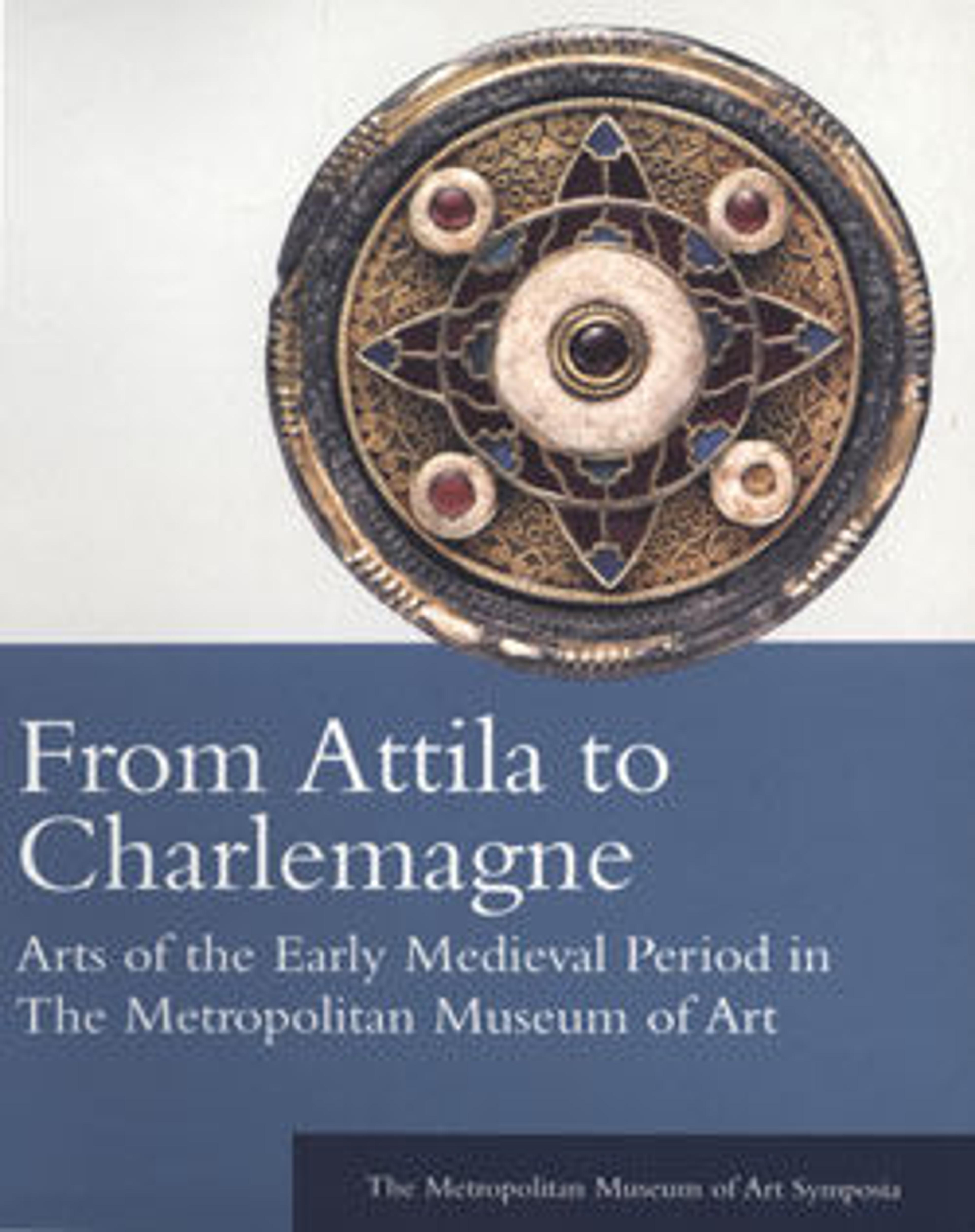 The arts of the Early Medieval period form a major, yet little-known, part of the material from the Middle Ages in The Metropolitan Museum of Art. Recent research on this fascinating period from approximately A.D. 400 to 800 reveals a more comprehensive picture of what has been traditionally referred to as the Dark Ages or the Migration period. The Museum's holdings in this area, the subject of a symposium and of new studies by leading European and American specialists, demonstrate the exceptional richness of material bridging Antiquity and the Middle Ages. The twenty-six essays in this volume provide the first in-depth study of this American repository of arts representing the many cultures and peoples that created early Europe, including the Ostrogoths, the Langobards, the Franks, and the Anglo-Saxons. The products of this great age of "portable art" range from elaborate weapon fittings and ornate buckles to gold brooches and other intricately designed and decorated jewelry. Over six hundred black-and-white photographs and eighteen color-plates dramatically testify to the depth, breadth, and beauty of the Museum's Early Medieval collection. Of interest to both scholars and laymen, this publication coincides with the opening of the Museum's new galleries devoted to the arts of Byzantium and the Early Medieval period. From Attila to Charlemagne: Arts of the Early Medieval Period in The Metropolitan Museum of Art also inaugurates a series of symposium volumes. These volumes will present the results of symposia at which scholars in the relevant fields assess aspects of the Metropolitan's collections.Download PDFFree to download