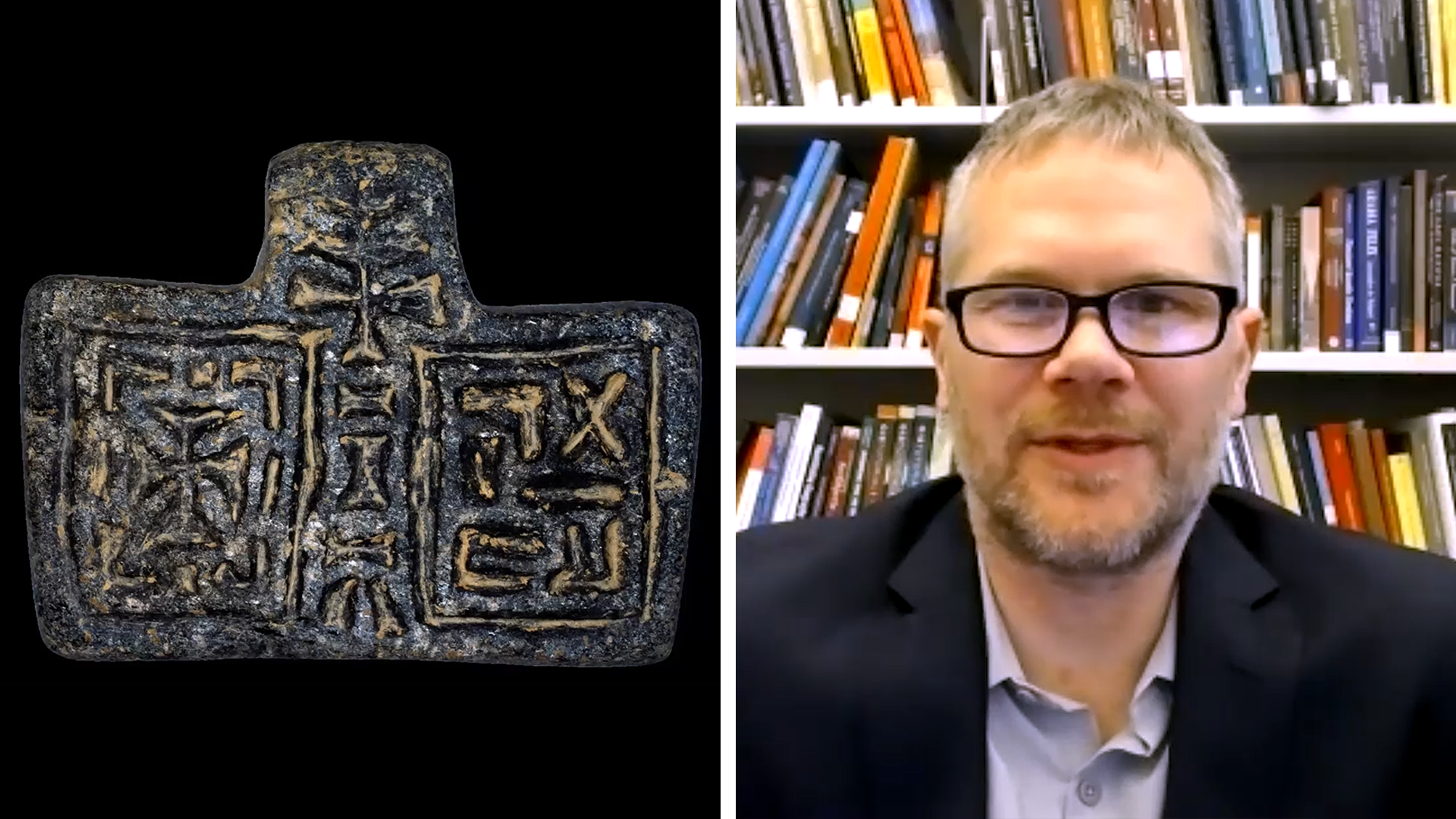
As part of The Charles K. Wilkinson Lecture Series, join scholars in the fields of Egyptian, Islamic, and Ancient Near Eastern art to explore social, religious, and economic interconnections on the African continent and between Africans and their neighbors around the theme African Communities: Reflections of Coexistence and Cooperation.
The so-called “Pan-Grave culture” is a recurring feature in the archaeology of Egypt and Nubia during the mid-second millennium BCE (ca. 1750–1550 BCE), yet it remains something of an enigma. For much of the twentieth century, the Pan-Grave culture was seen as little more than bands of nomads living on the fringes of Egyptian society, but new research is revising these old beliefs. The Pan-Grave culture is now perceived as complex, diverse, and an integral part of the social fabric of the region. Perhaps most importantly, the ubiquity of Pan-Grave evidence throughout the Nile Valley breaks down the longstanding dichotomy that falsely divides ancient Egypt and Nubia.
See more lectures featured in African Communities: Reflections of Coexistence and Cooperation, including Ancient Africa: Insights from the Aksumite Town of Beta Samati, Ethiopia and Social Cooperation between Muslims and Followers of Non-Scriptural Religions: A Deep-Rooted West African Tradition.
This program is made possible by the Charles Wilkinson Lecture Series Fund.