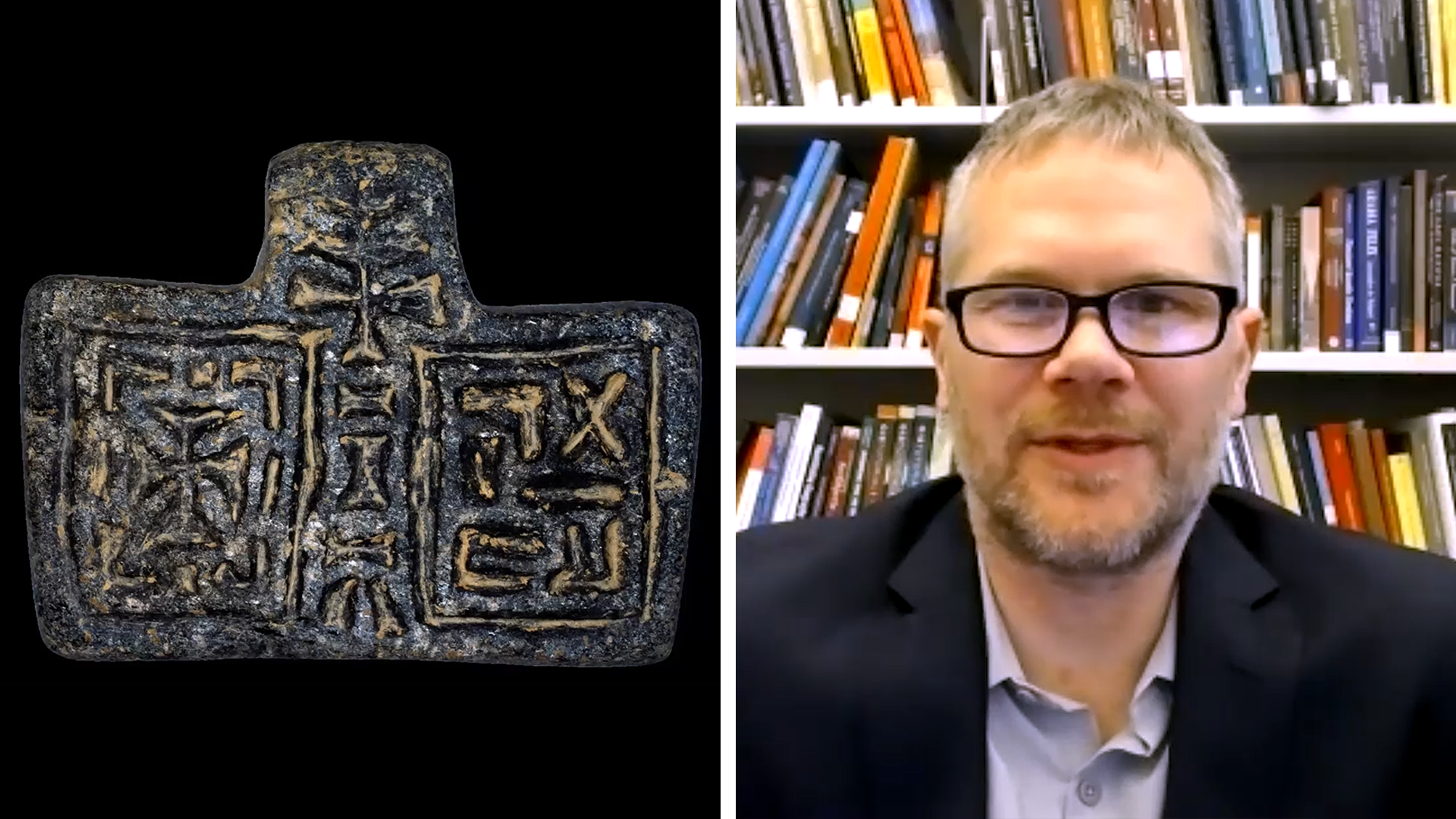
As part of The Charles K. Wilkinson Lecture Series, join scholars in the fields of Egyptian, Islamic, and Ancient Near Eastern art to explore social, religious, and economic interconnections on the African continent and between Africans and their neighbors around the theme African Communities: Reflections of Coexistence and Cooperation.
Muslims began to frequent the West African Sahel ca. 133 AH, or 750 CE. Muslim communities later developed in the region and were granted protection by Sahelian rulers they called kuffār (unbelievers), beginning a long-lasting tradition of coexistence and cooperation. Muslims saw Sahelian kuffār as helpers and associates, while they perceived other West African kuffār as people who could be legitimately enslaved and traded across the desert. This presentation examines the history of this classificatory ambiguity.
See more lectures featured in the Charles Wilkinson Lecture Series, including: Outsiders on the Inside: The Enigmatic Pan-Grave Culture in the Ancient Nile Valley and Ancient Africa: Insights from the Aksumite Town of Beta Samati, Ethiopia.
This program is made possible by the Charles Wilkinson Lecture Series Fund.