"We live in a world of half-completed things or damaged objects, but I had never articulated to myself that in fact there were times quite often that I preferred the objects that way."
Islamic art curator Navina Haidar extols the implications and aesthetics of the broken or incomplete.
Connections: Better Broken
Islamic art curator Navina Haidar extols the implications and aesthetics of the broken or incomplete.
Navina Najat Haidar
4 min. watch
Contributor
Navina Najat Haidar
Curator, Department of Islamic Art
Curator, Department of Islamic Art
Art Mentioned
Attributed to Sahib Ram
ca. 1800
Probably Sahri-Bahlol Workshop
ca. 5th century
Greek
2nd or 1st century BCE
Roman
161–169 CE
Attributed possibly to the Painter of Vatican 365
ca. 540–530 BCE
Roman
mid-2nd century CE
Roman
ca. 31 BCE–14 CE
Greek
5th century BCE or later
Anthony van Dyck
Sitter Anthony van Dyck
ca. 1640
late 9th–early 10th century
ca. 1545–55
ca. 1605
ca. 1750–75
Attributed to Hashim
ca. 1640
525–404 BCE
ca. 1386–1330 BCE
4th century BCE
More from The Met

Video
Artists Alex Katz and Wangechi Mutu explore works in The Met collection.
December 10, 2025

Exploring the history of the Temple of Dendur and the Arts of Oceania in immersive virtual reality.
Brett Renfer
November 12, 2025
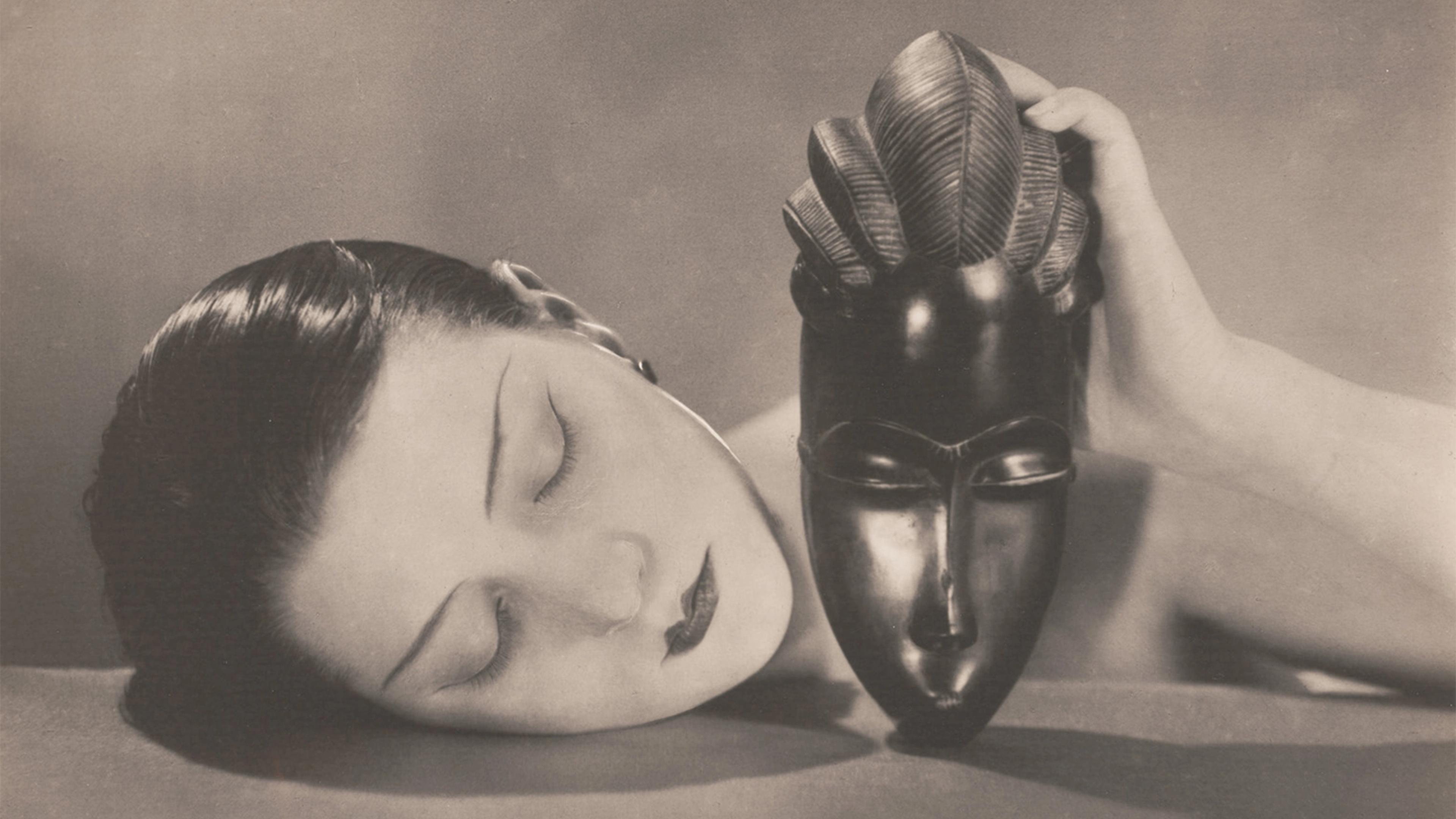
Discover Kiki de Montparnasse’s influence on Man Ray’s photography as much more than a muse.
Mark Braude
October 10, 2025