Храм Дендур будет закрыт с воскресенья, 26 апреля, по пятницу, 8 мая. Метрополитен-музей на Пятой авеню будет закрыт в понедельник, 4 мая.

Спланируйте свой визит
Мы работаем над переводом этой страницы как можно скорее. Спасибо за понимание.

Catherine Opie on the Louis XIV Bedroom

This episode is part of The Artist Project, a series in which artists respond to works of art in The Met collection.
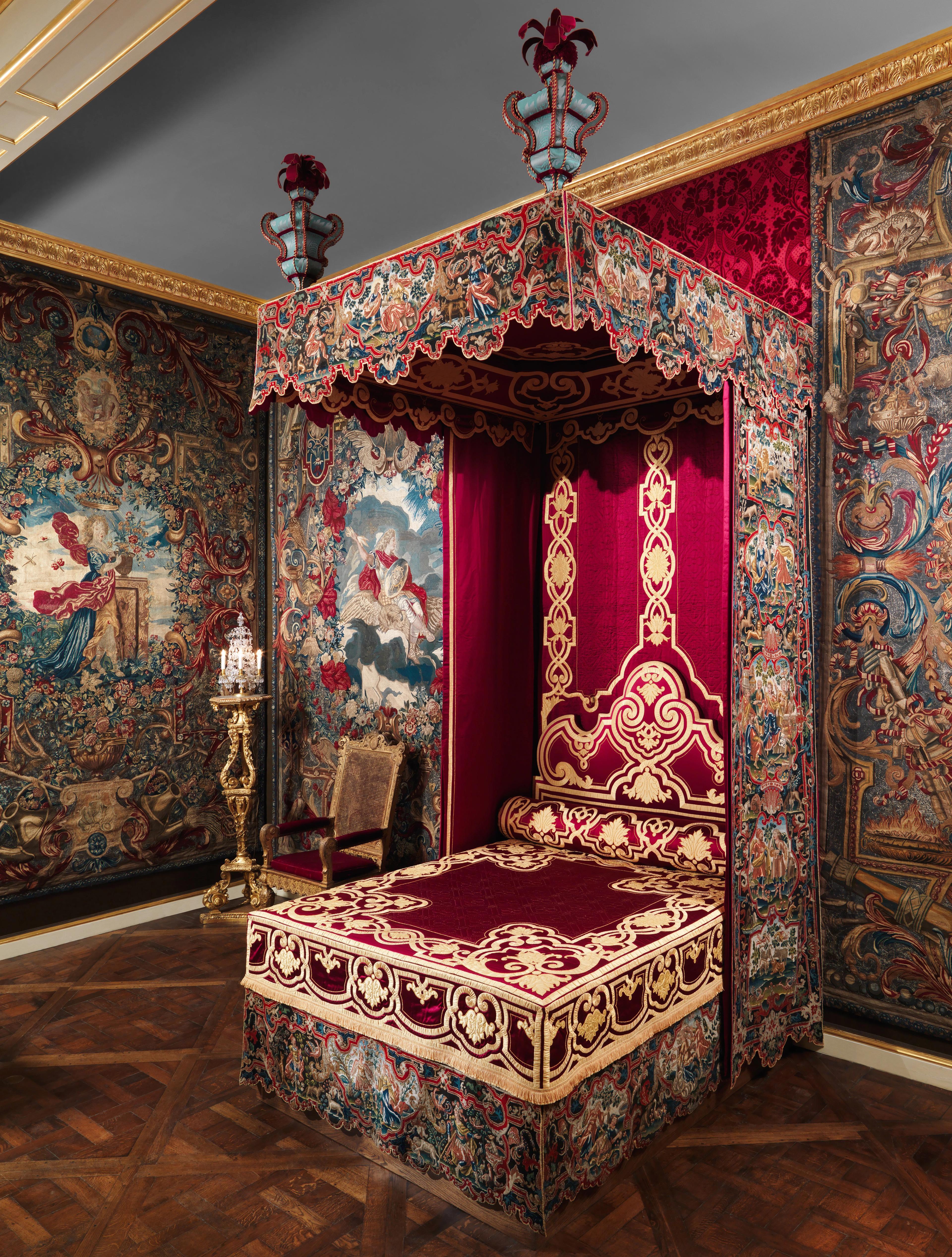
Ornate canopied bed upholstered in dark red velvet with gold trim, displayed in a gallery surrounded by large decorative tapestries hanging on the walls.

Bed valances and side curtains, ca. 1700. French. Canvas; silk and wool embroidery in gros and petit point, 19 1/4 × 80 1/4 in. (48.9 × 203.8 cm). The Metropolitan Museum of Art, New York, Gift of Irwin Untermyer, 1953 (53.2.1–.8)

What caught me was this idea that there was a place of imagination that you could explore.

I’m Catherine Opie and I’m an artist who works in photography.

I grew up in Ohio and I faced a cornfield across the street, and that was my everyday life as a young kid. At nine years old I read a book by E. L. Konigsburg, The Mixed Up Files of Mrs. Basil E. Frankweiler, and in the book the character, Claudia, runs away from home to The Met. Being this kid in the Midwest, what caught me was this idea that there was a place of imagination that you could explore.

I was watching the younger kids in a school group today walk through this room and even though the teacher was telling them to line up, you could tell that they just wanted to experience what a room is to be lived in.

But it’s a staged space. The room is not just a bedroom; it’s also a portrait. It’s a portrait of multiple histories in relationship to Louis XIV. This room tells a story about that period of time, with this opulence and this wealth, and the notion of what is valuable or what needs to be seen. You have these incredible wine pouring vessels with mythology: the serpents and a beheading.

Think of the privilege to own these objects that have taken a really long time to make. Things are gilded, they’re inlayed, they have craft in them. That’s a bad word in the art world right now, “craft,” you know—you don’t want to talk about craft. I actually value that I have really tried to master my medium.

Sixteenth/seventeenth century has always been a voice within my work. And I think that that’s why I long for this time period, is that slowness of the handmade. Even though I make photographs, the hand isn’t necessarily apparent in it in the same way that sculpture, painting, or other mediums, the hand might be apparent, but it’s in what I choose to look at and how I frame it. So, just like this room, that moment that you decide to describe in photography also becomes this kind of stage.

I treat these kinds of spaces as if I’m making photographs. I can look at paintings and objects thoroughly and with imagination, and I think that that’s because I had read this story so many times as a kid. Unfortunately that’s how I experience most of the world, which is a problem. My partner’s constantly telling me not to stare. She’s always telling me, “Just experience.” And I’m like, “I am! I’m experiencing by seeing.”
Contributors

Catherine Opie, born in 1961, is an American photographer.


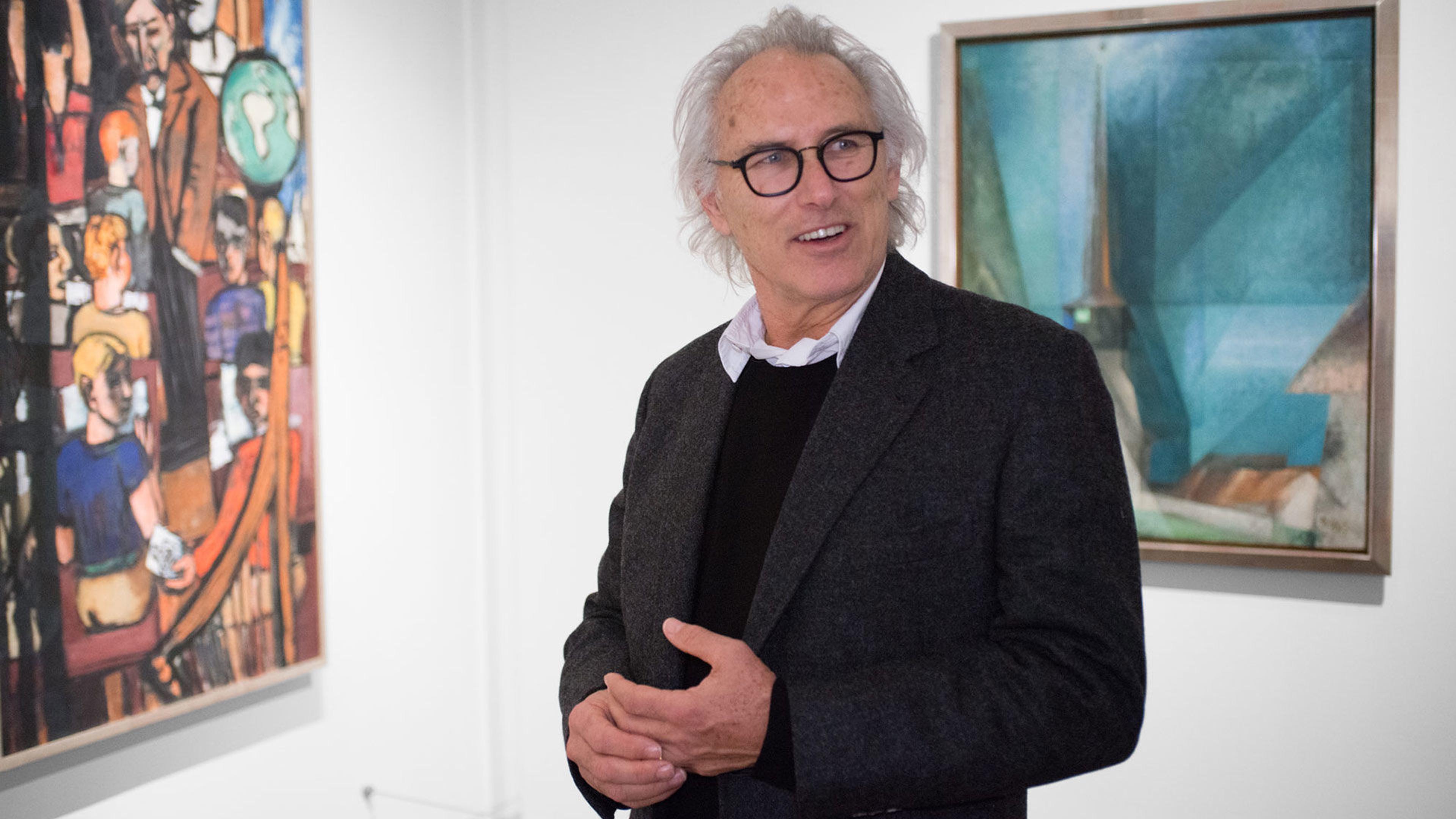
Eric Fischal on Max Beckmann's "Beginning"
Video
Artist Eric Fischl reflects on Max Beckmann's Beginning in this episode of The Artist Project.
June 6, 2016
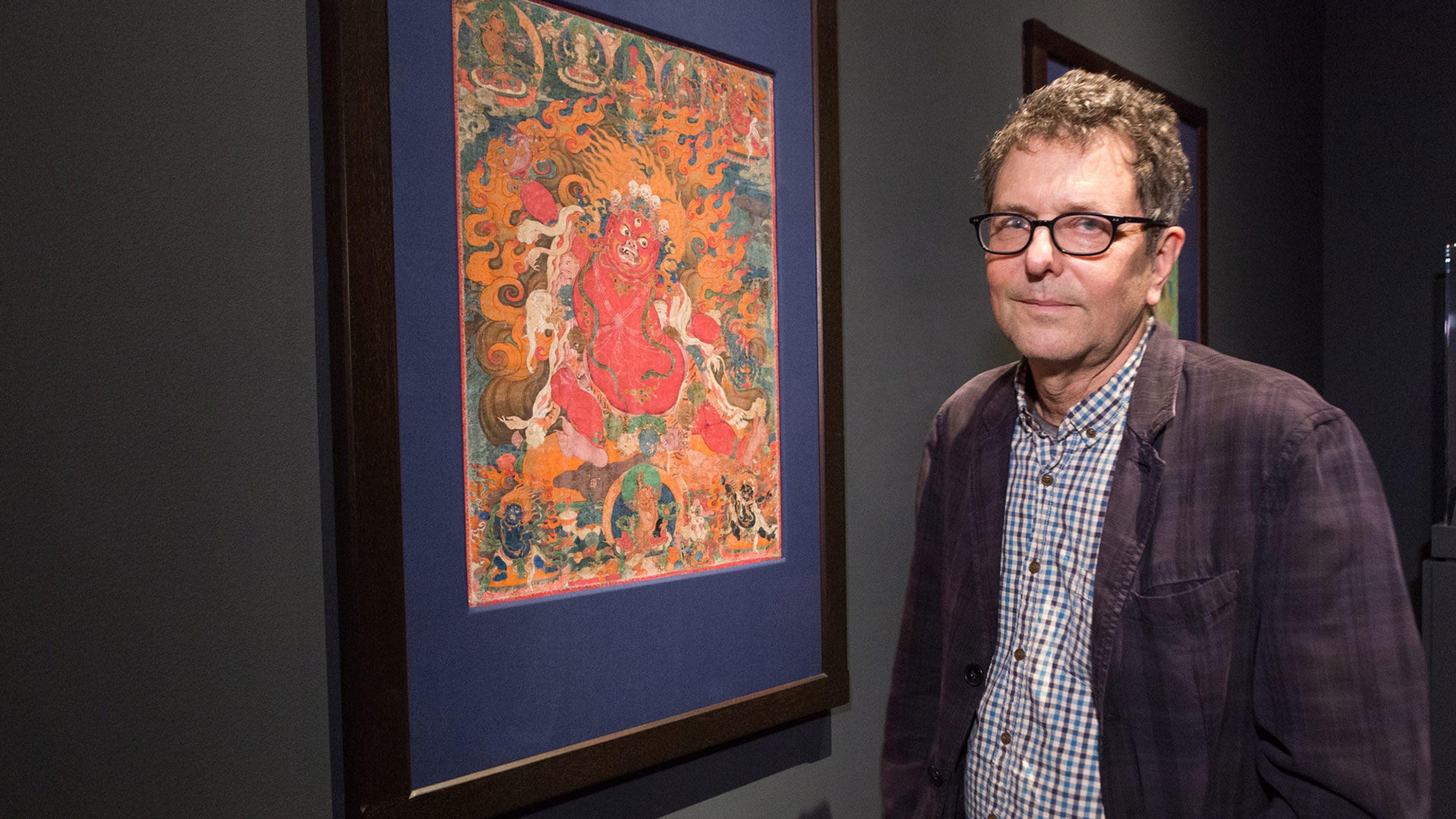
Fred Tomaselli on "Guru Dragpo"
Video
Artist Fred Tomaselli reflects on Guru Dragpo in this episode of The Artist Project.
June 6, 2016
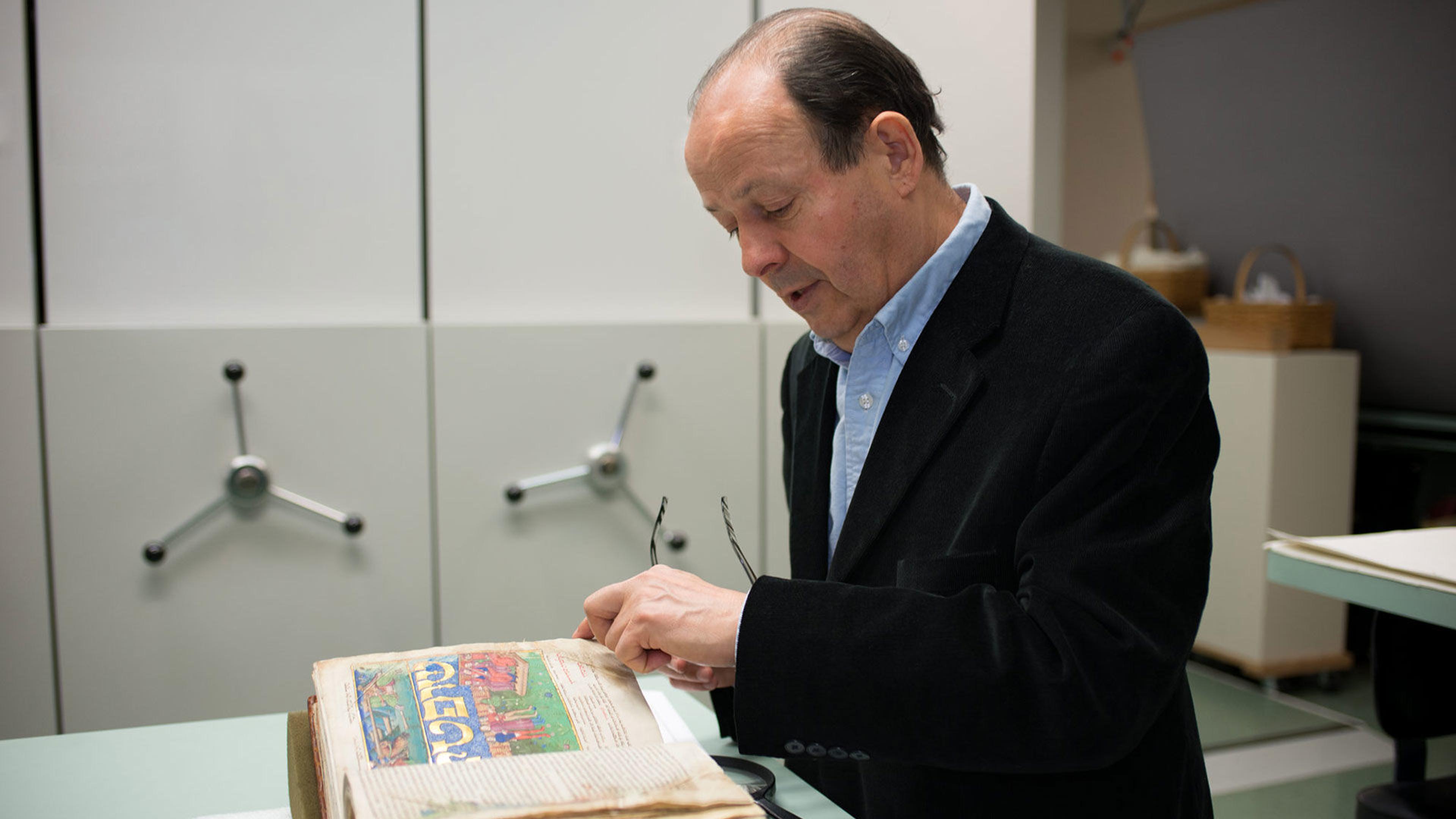
Jacob El Hanani on the "Mishneh Torah," by Master of the Barbo Missal
Video
Artist Jacob El Hanani reflects on the Mishneh Torah by Master of the Barbo Missal in this episode of The Artist Project.
June 6, 2016

A slider containing 9 items.
Press the down key to skip to the last item.
Portrait relief of Louis XIV (1638–1715), François Girardon  French, Marble, French
In the style of François Girardon
late 17th century
Seasons and Elements (Air) (set of four), Charles Le Brun  French, Canvas; silk, wool, and metal-thread embroidery in tent stitch (316 stitches per sq. inch, 49 stitches per sq. cm.), French, Paris
Multiple artists/makers
ca. 1683
Chimneypiece (cheminée), Jean Le Pautre  French, Limestone, French, Chérac
After a design by Jean Le Pautre
ca. 1665–70
Clock with pedestal, André Charles Boulle  French, Case and pedestal of oak with marquetry of tortoiseshell, engraved brass, and pewter; gilt bronze; dial of gilt brass with white enameled Arabic numerals; movement of brass and steel, French, Paris
Multiple artists/makers
ca. 1690
Wine jug (one of a pair), Faience (tin-glazed earthenware), French, Nevers
French, Nevers
ca. 1680
Small desk with folding top (bureau brisé), Alexandre-Jean Oppenordt  Dutch, Oak, pine, walnut veneered with ebony, rosewood, and marquetry of tortoiseshell and engraved brass; gilt bronze and steel, French, Paris
Marquetry by Alexandre-Jean Oppenordt
Designer Designed and possibly engraved by Jean Berain
ca. 1685
Wine jug (one of a pair), Faience (tin-glazed earthenware), French, Nevers
French, Nevers
ca. 1680
Bed valances and side curtains, Canvas; silk and wool embroidery in gros and petit point, French
French
ca. 1700
Eight-light chandelier, André Charles Boulle  French, Chased bronze and gilt, iron, French, Paris
Possibly by André Charles Boulle
ca. 1710