Search for Art

Search Tips
36 results for dogon-art
Sort by:
Show only
Images
Date
For BCE dates, enter a negative number. E.g. For 2000 BCE, enter -2000.
Artist / culture
Object type / material
Match
 
Show results matching
selected filters.
Geographic location
Match
 
Show results matching
selected filters.
Department
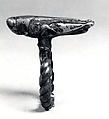
Key: Zoomorphic Head, Dogon blacksmith, Wood, iron, Dogon peoples
Dogon blacksmith
19th–20th century
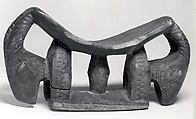
Headrest: Zoomorphic Heads, Dogon blacksmith, Wood, Dogon peoples
Dogon blacksmith
19th–20th century
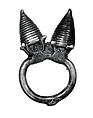
Ring: Insect, Dogon blacksmith, Brass, Dogon peoples
Dogon blacksmith
19th–20th century
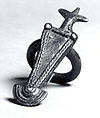
Ring, Dogon blacksmith, Brass, Dogon peoples
Dogon blacksmith
19th–20th century
Ring, Dogon blacksmith, Brass, Dogon peoples
Dogon blacksmith
19th–20th century
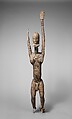
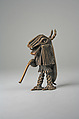
Priest with raised arms, Dogon blacksmith, Wood, applied organic materials, Dogon peoples
Dogon blacksmith
14th–17th century
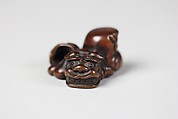
Netsuke of Three Masks, Wood, Japan
Japan
19th century
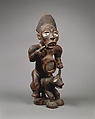
Nkisi (power figure) with dog and rider, Kongo artist and nganga (ritual specialist), Wood, resin, glass, pigment, Kongo peoples
Kongo artist and nganga (ritual specialist)
19th–first half of 20th century
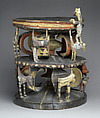
Vessel: Dog with Figures, Dogon blacksmith, Wood, Dogon peoples
Dogon blacksmith
16th–20th century
Ékwè ọ́zọ́ (ọ́zọ́ chieftancy stool), Igbo artist, Wood, paint, Igbo peoples
Igbo artist
late 19th–early 20th century
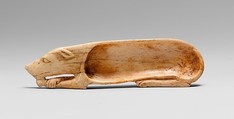
Mechanical Dog, Ivory (elephant), paint
ca. 1386–1347 BCE
Dog, Wilhelm Schimmel  American, White pine, painted, American
Attributed to Wilhelm Schimmel
1865–90
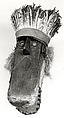
Landaï or dandaï helmet mask, Loma artist, Wood, feathers, cotton, raffia, hide, metal, twine, pigment, Loma peoples
Loma artist
19th–early 20th century
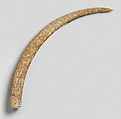
Altar Tusk, Ìgbèsànmwà (ivory- and wood- carving guild) artists, Ivory, Edo peoples
Ìgbèsànmwà (ivory- and wood- carving guild) artists
ca. 1712–50
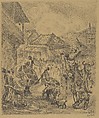
Voodoo Dance, George Overbury "Pop" Hart  American, Lithograph
George Overbury "Pop" Hart
ca. 1922
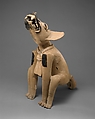
Howling canine, South central Veracruz artist(s), Ceramic, tar paint (chapopote), Classic Veracruz
South central Veracruz artist(s)
600-1000 CE
Janus Helmet Mask (Wanyugo), Senufo artist, Wood, pigment, Senufo peoples
Senufo artist
19th–mid-20th century
Suruku koun (hyena) mask, Malinke or Bamana numu (blacksmith), Wood, cane, leather, cowrie shells, thread, Malinke or Bamana peoples
Malinke or Bamana numu (blacksmith)
19th–mid-20th century
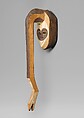
Zok (elephant) mask for a beete performance, Kwele artist, Wood, pigment, kaolin, Kwele peoples
Kwele artist
19th–first half of 20th century
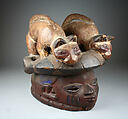
Helmet Mask (Gelede), Yewa-Yoruba artist, Wood, pigment, metal staples, Yewa-Yoruba peoples
Yewa-Yoruba artist
19th–20th century
Masquerade Figure, Baule artist  Baoulé, Brass, Baule peoples
Baule artist
19th–mid-20th century
Palma with canines, Classic Veracruz artist(s), Stone, pigment (probably hematite), Classic Veracruz
Classic Veracruz artist(s)
800–1100 CE
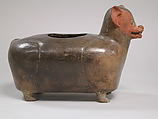
Canine Vessel, Ceramic, Central Highlands (?)
Central Highlands (?)
12th–3rd century BCE (?)
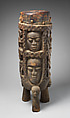
Agba Ogboni, George Bandele  Nigerian, Wood (aberinberin?), hide, Yoruba
George Bandele
mid-20th century
Figure (Gra or Garra), Wood, paint, Bahinemo people
Bahinemo people
early to mid-20th century
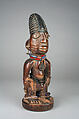
Twin Figure: Male (Ibeji), Oyo-Yoruba artist, Wood, beads, camwood powder, Oyo-Yoruba peoples
Oyo-Yoruba artist
19th–20th century
Ùhúnmwèlaò (head of an ọ́bà), Ìgùn Ẹ́rọ̀nwwọ̀n (brass-casting guild) artists, Brass, iron, Edo peoples
Ìgùn Ẹ́rọ̀nwwọ̀n (brass-casting guild) artists
19th century
Koré Mask: Hyena (Sourokou Koun), Wood, metal, Bamana peoples
Bamana peoples
19th–20th century
Figure: Male, Ibuke Compound , possibly, Wood, beads, iron, pigment, Yoruba peoples, Oyo group (?)
Workshop of Ibuke Compound
1900–1950
Stone Dog, Naomialuk, Stone, Inuit
Naomialuk
ca. 1948
Mwanangana (lord of the land) playing a sanza, Chokwe artist, Wood (uapaca), cloth, plant fiber, beads, dye, resinous coating, Chokwe peoples
Chokwe artist
19th century (before 1869)

Content Notice

The Metropolitan Museum of Art presents over 5,000 years of art from around the world, and our online collection reflects ongoing work conducted over the course of our more than 150-year history. You may encounter objects or images that may be inappropriate for some viewers or information that may be outdated.
How are these search results?