Search for Art

1-42 of 95 results for Bernard van Orley
Sort by:
Show only
Images
Date
For BCE dates, enter a negative number. E.g. For 2000 BCE, enter -2000.
Artist / culture
Object type / material
Match
 
Show results matching
selected filters.
Geographic location
Match
 
Show results matching
selected filters.
Department
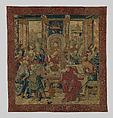
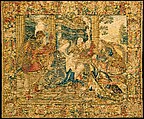
The Last Supper, Bernard van Orley  Netherlandish, Wool, silk, silver-gilt thread.
Designed by Bernard van Orley
Probably woven by Pieter de Pannemaker
ca. 1525–28
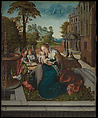
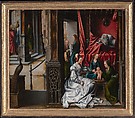
Virgin and Child with Angels, Bernard van Orley  Netherlandish, Oil on wood
Bernard van Orley
ca. 1518
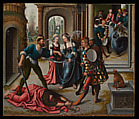
The Martyrdom of Saint John the Baptist, Bernard van Orley  Netherlandish, Oil on wood
Bernard van Orley
ca. 1514–15
Adoration of the Kings, Bernard van Orley or a member of his workshop Netherlandish, Wool, silk, silver, silver-gilt thread (20 warps per inch, 8 per cm.), Netherlandish, Brussels
Designer Design attributed to Bernard van Orley
Elements of the central group are derived from Tommaso Vincidor (Tommaso di Andrea)
Possibly woven in the workshop directed by Pieter van Aelst the Younger
1525–1535
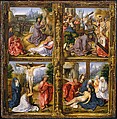
Four Scenes from the Passion, Bernard van Orley  Netherlandish, Oil on wood
Follower of Bernard van Orley
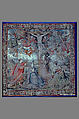
The Crucifixion, Bernard van Orley  Netherlandish, Wool, silk, silver thread, silver-gilt thread (20-21 warps per inch, 7-8 per cm.), Netherlandish, Brussels
Designer Design attributed to Bernard van Orley
Workshop director Pieter van Aelst the Younger
Workshop director Pieter de Pannemaker
design ca. 1515, woven ca. 1525
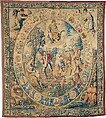
October from a set of Medallion Months, Bernard van Orley  Netherlandish, Wool, silk (20 warps per inch, 8 per cm.), Netherlandish, Brussels
Designer Possibly after a design by Bernard van Orley
ca. 1525–28
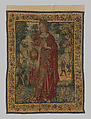
Saint Veronica, Bernard van Orley  Netherlandish, Wool, silk, gilded silver metal-wrapped threads (18-21 warps per inch, 7-8 per cm.), Netherlandish, probably Brussels
Designer Possibly after a design by Bernard van Orley
ca. 1525
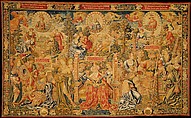
The Twelve Ages of a Man: The Second Three Ages (18-36), or Summer, Bernard van Orley  Netherlandish, Wool, silk (16-20 warps per inch, 6-8 per cm.), Netherlandish, Brussels
Designer Probably after a design by the Workshop of Bernard van Orley
ca. 1515
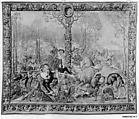
The Final Assault on the Boar, or December from a set of the Hunts of Maximilian, Bernard van Orley , probably Netherlandish, Wool, silk (19-21 warps per inch, 8-9 per cm.), French, Paris
Multiple artists/makers
designed ca. 1531, woven 1692–93
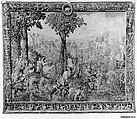
The Arrival at the Hunting Lodge, or April from a set of the Hunts of Maximilian, Bernard van Orley , probably Netherlandish, Wool, silk (19-21 warps per inch, 8-9 per cm.), French, Paris
Designer Bernard van Orley
Manufactory Manufacture Nationale des Gobelins
Workshop of Jean de La Croix
designed ca. 1531, woven 1692–93
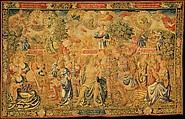
The Twelve Ages of a Man: The Second Three Ages (18-36), or Autumn, Bernard van Orley  Netherlandish, Wool, silk (16-20 warps per inch, 6-8 per cm.), Netherlandish, Brussels
Designer Probably after a design by the Workshop of Bernard van Orley
ca. 1515
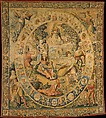
August from a set of Medallion Months, Bernard van Orley  Netherlandish, Wool, silk (20 warps per inch, 8 per cm.), Netherlandish, Brussels
Designer Possibly after a design by the workshop of Bernard van Orley
ca. 1525–28
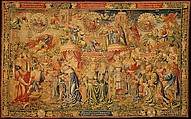
The Twelve Ages of a Man: The First Three Ages (Birth-18), or Spring, Bernard van Orley  Netherlandish, Wool, silk (16-20 warps per inch, 6-8 per cm.), Netherlandish, Brussels
Designer Probably after a design by the Workshop of Bernard van Orley
ca. 1515
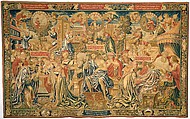
The Twelve Ages of a Man: The Last Three Ages (54-72), or Winter, Bernard van Orley  Netherlandish, Wool, silk (16-20 warps per inch, 6-8 per cm.), Netherlandish, Brussels
Designer Probably after a design by the Workshop of Bernard van Orley
ca. 1515
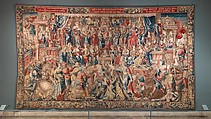
Honor from the series "The Honors", Bernard van Orley and workshop, with collaborators Netherlandish, Wool and silk (wefts); wool (warps): 6-7 warp threads per cm., Netherlandish, probably Brussels
Designer Design attributed to Bernard van Orley
designed before 1520, woven between 1525 and 1532
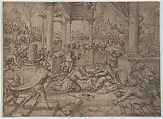
The Adoration of the Magi, Bernard van Orley  Netherlandish, Pen and brown ink, brown wash, over black chalk, on brown-gray (prepared?) paper
Circle of Bernard van Orley
early 16th–mid 16th century
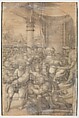
Pilate Washing his Hands, Bernard van Orley  Netherlandish, Black chalk, squared in red chalk
Bernard van Orley
early 1530s
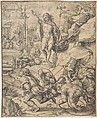
The Resurrection, Bernard van Orley  Netherlandish, Pen and black ink, gray wash. Framing line in pen and brown ink (by the artist)
Bernard van Orley
Former Attribution Formerly attributed to Master of Saint Michael
early 16th century
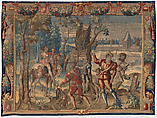
News of the Stag from the series known as the Hunters' Chase, Mortlake Tapestry Manufactory  British, Wool (15-16 warps per inch, 6-7 per cm.), British, Mortlake
Manufactory Mortlake Tapestry Manufactory
Related to designs probably by Bernard van Orley
designed before 1645, woven ca. 1645–75
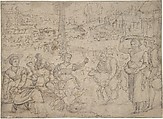
The Month of June, Shearing Sheep (recto); Couples Drinking Wine, The Month of October (verso), Master of the Months of Lucas  Netherlandish, Pen and brown ink, brush and light gray-brown wash (faded from violet?); framing lines in pen and brown ink
Master of the Months of Lucas
Former Attribution Formerly attributed to Bernard van Orley
ca. 1535
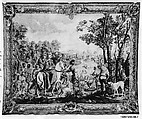
September from a set of The Months of Lucas, Master of the Months of Lucas  Netherlandish, Wool, silk (20-21 warps per inch, 8-9 per cm.), French, Paris
Multiple artists/makers
designed ca. 1535, woven 1732–37
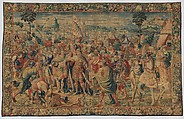
Agamemnon musters the Greek troops at Aulis from the “Story of Iphigenia”, Pieter Coecke van Aelst  Netherlandish, Wool, silk (16-17 warps per inch, 6-7 per cm.), Netherlandish, Brussels
Designer Design attributed to Pieter Coecke van Aelst
Woven under the direction of Willem de Kempeneer
1535–48
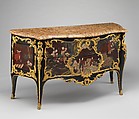
Commode, Bernard II van Risenburgh, Oak veneered with panels of Chinese Coromandel lacquer and European black-lacquered veneer; gilt-bronze mounts; brèche d'Alep marble top, French, Paris
Bernard II van Risenburgh
ca. 1740–45
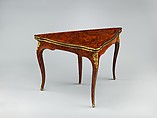
Folding card table (table de jeu brisée en angle), Bernard II van Risenburgh, Oak veneered with tulipwood, purplewood, kingwood, satiné wood, walnut; gilt bronze; modern silk velvet, French, Paris
Attributed to Bernard II van Risenburgh
ca. 1755–65
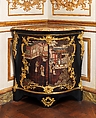
Corner cabinet (encoignure) (one of a pair), Bernard II van Risenburgh, Oak veneered with ebony and Coromandel lacquer, cherry wood, and purplewood; gilt-bronze mounts; brocatelle marble top, French, Paris
Bernard II van Risenburgh
ca. 1745–49
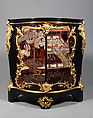
Corner cabinet (encoignure) (one of a pair), Bernard II van Risenburgh, Oak veneered with ebony and Coromandel lacquer, cherry wood, and purplewood; gilt-bronze mounts; brocatelle marble top, French, Paris
Bernard II van Risenburgh
ca. 1745–49
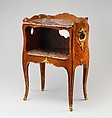
Bedside table (table de nuit), Bernard II van Risenburgh, Oak veneered with tulipwood and kingwood; gilt-bronze mounts; Sarrancolin marble; silk moiré drawer lining (not original), French, Paris
Attributed to Bernard II van Risenburgh
ca. 1750–56
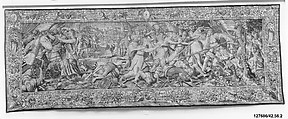
The Sabine Women Stopping the Battle between the Romans and the Sabines from the Story of the Romans and the Sabines, Nicolas van Orley, Wool, silk (19-21 warps per inch, 7-9 per cm.), Flemish, Brussels or Antwerp
Designer Nicolas van Orley
Workshop of Joost van Herzeele
Related to a print by Gerard de Jode
1570–85
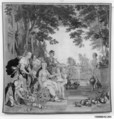
Flora from a set of the Triumph of the Gods, Jan van Orley  Flemish, Wool, silk (19-22 warps per inch, 8-9 per cm.), Flemish, Brussels
Designer Designer: Jan van Orley
Designer Augustin Coppens
Woven under the direction of Jasper van der Borcht
first half 18th century
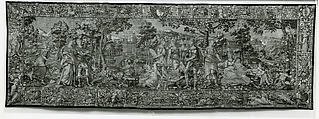
The Romans with their Sabine Wives from the Story of the Romans and the Sabines, Nicolas van Orley, Wool, silk (19-21 warps per inch, 7-8 per cm.), Flemish, Brussels or Antwerp
Designer Nicolas van Orley
Workshop of Joost van Herzeele
After a print by Hans Vredeman de Vries
1570–85
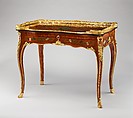
Writing table (table à écrire), Bernard II van Risenburgh, Oak veneered with tulipwood, kingwood, amaranth, mahogany, ebony, mother-of-pearl, stained horn; gilt-bronze mounts; modern velvet, French, Paris
Bernard II van Risenburgh
ca. 1755
Work and writing table (table en chiffonière), Bernard II van Risenburgh, Oak and beech veneered with tulipwood and purplewood; gilt bronze, blue moiré silk, French
Bernard II van Risenburgh
ca. 1760
Commode, Bernard III van Risamburgh, Oak; Japanese black-and-gold lacquer and ebony veneer, gilt bronze; brèche d’Alep marble top, French, Paris
Bernard III van Risamburgh
ca. 1765–70
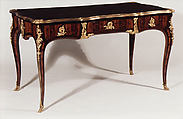
Writing table (bureau plat), Bernard II van Risenburgh, Satiné wood, purplewood and kingwood, gilt bronze, leather, French, Paris
Bernard II van Risenburgh
ca. 1750
Writing table (bureau plat), Bernard II van Risenburgh, Veneered on oak with ebony;  mounts of chased and gilded bronze; top inlaid with later panels of black morocco and gilt-tooled leather, French
Bernard II van Risenburgh
ca. 1745–50
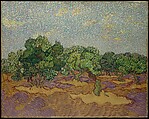
Olive Trees, Vincent van Gogh  Dutch, Oil on canvas
Vincent van Gogh
1889
Eating and work table (one of a pair), Bernard II van Risenburgh, Oak, vernis Martin, soft-paste porcelain, gilt bronze, French, Paris and Sèvres
Table attributed to Bernard II van Risenburgh
or possibly Bernard III van Risamburgh
Manufactory Plaques by Sèvres Manufactory
Trays: ca. 1761; table: ca. 1761–63
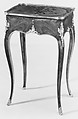
Work and writing table, Bernard II van Risenburgh, Oak, tulipwood, root-cut kingwood, gilt bronze and silvered metal, French, Paris
Bernard II van Risenburgh
ca. 1755–60