Search the collection

Filter By

Object Type / Material
Geographic Location
Department
Date
Show Only:
  • As part of the Met's Open Access policy, you can freely copy, modify and distribute this image, even for commercial purposes.
    APIPublic domain data for this object can also be accessed using the Met's Open Access API
  • Objects with changed or unknown ownership in continental Europe between 1933-1945. Learn more
More than 10,000 results for HATHOR
Sort by:
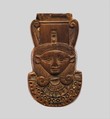
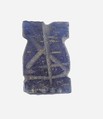
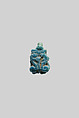
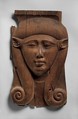
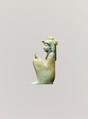
Hathor / Bat emblem, Elephant ivory, blue pigment
ca. 1570–1479 B.C.
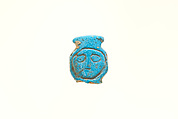
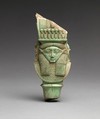
Hathor head amulet, Faience
ca. 1295–1070 B.C.
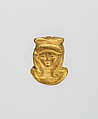
Bead, Hathor head, Gold
332–30 B.C.
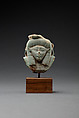
Votive Fragment, Hathor, Gray faience
ca. 1479–1458 B.C.
Bead, figurine (?), Hathor, Faience
ca. 1550–1295 B.C.
Bead, Hathor head, Gold
332–30 B.C.
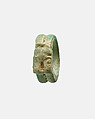
Ring, Hathor head, Faience
ca. 1184–1070 B.C.
Hathor Head Amulet, Faience
664–332 B.C.
Hathor head amulet, Faience
ca. 1295–1070 B.C.
Amulet: Hathor Head, Glass
ca. 1390–1352 B.C.
Scarab with Hathor emblem, Faience
ca. 1550–1425 B.C.
Spacer with Hathor head, Faience
ca. 1070–664 B.C.
Relief of Nebhepetre Mentuhotep II and the Goddess Hathor, Limestone, paint
ca. 2010–2000 B.C.
Panel from a Hathor Column, Cedar
after 423 BC
Hathor or Isis (?) amulet, Gold sheet
664–380 B.C.
Hathor emblem from a sistrum, Faience
ca. 664–332 B.C.
Scarab with Hathor-like Canaanite Goddess, Green glazed steatite
ca. 1640–1500 B.C. (Middle Bronze Age IIB-IIC)
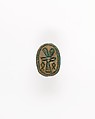
Scarab with Hathor-like Canaanite Goddess, Blue glazed steatite
ca. 1740–1640 B.C.
Inlay depicting squatting goddess, probably Hathor, Faience
4th century B.C.
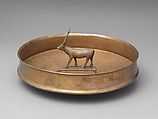
Bowl with a Hathor cow, Bronze
ca. 1479–1425 BCE
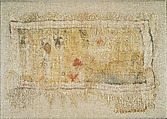
Painted Cloth Dedicated to Hathor, Linen, paint
ca. 1479–1458 B.C.
Cowroid with a Hathor emblem, Faience
ca. 1550–1295 B.C.
Metal mold illustrating Hathor head, Lead
30 B.C.–A.D. 364
Scaraboid with an image of Hathor, Faience
ca. 1550–1295 B.C.
Scarab of a Priest of Hathor, Green feldspar
ca. 1850–1802 B.C.
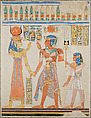
Ramesses III and Prince Amenherkhepeshef before Hathor, Nina de Garis Davies, Paper, tempera paint, ink
Nina de Garis Davies
Original ca. 1184–1153 B.C.
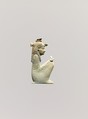
Inlay of a squatting goddess, probably Hathor, Faience
4th century B.C.
ca. 1479–1458 B.C.
664–332 B.C.
ca. 1550–1295 B.C.
Scarab Inscribed with a Hathor Emblem, Steatite (glazed)
ca. 1295–1070 B.C.
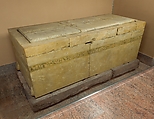
Sarcophagus of the Hathor Priestess Henhenet, Limestone, sandstone, paint
ca. 2051–2030 B.C.
Scarab Inscribed With a Hathor emblem, Blue faience
ca. 1635–1458 B.C.
Votive Stela with Three Hathor Cows, Limestone
ca. 1479–1458 B.C.
Statue of Wepwawet and Isis-Hathor, Limestone
ca. 1279–1213 BCE
Hathor Head from a Sistrum Handle, Faience
ca. 1550–1295 B.C.
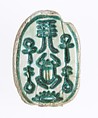
Scarab with Hieroglyphs and Hathor Sistrum, Green glazed steatite
ca. 1760–1670 B.C.
Bat / Hathor emblem from a sistrum, Faience
664–332 B.C.
Arc sistrum with a hymn to Hathor, Faience
332–30 BCE
Furniture support: female sphinx with Hathor-style curls, Ivory (Hippopotamus), gold foil, Old Assyrian Trading Colony
Old Assyrian Trading Colony
ca. 18th century BCE