Search the collection

Filter By

Object Type / Material
Geographic Location
Department
Date
Show Only:
  • As part of the Met's Open Access policy, you can freely copy, modify and distribute this image, even for commercial purposes.
    APIPublic domain data for this object can also be accessed using the Met's Open Access API
More than 10,000 results for Ottoman, probably Eastern Europe
Sort by:
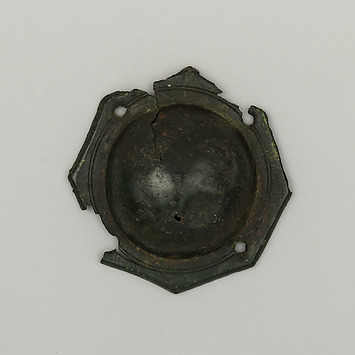
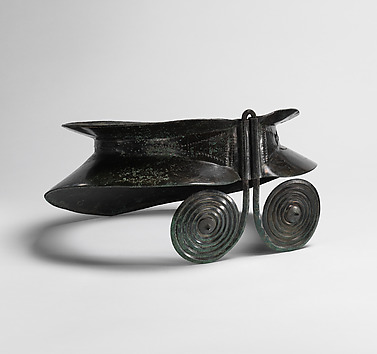
Boss for a Crupper Strap, Copper alloy, Ottoman, probably Eastern Europe
Ottoman, probably Eastern Europe
18th century
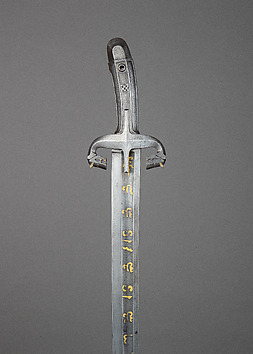
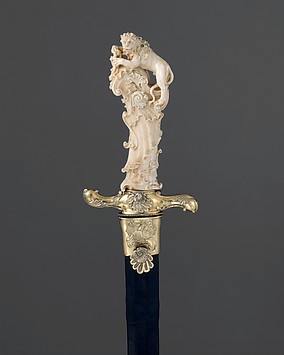
Hunting Sword with Scabbard, Joseph Deutschmann  German, Steel, silver, ivory, wood, leather, German, possibly Munich
Joseph Deutschmann
ca. 1740
Xantil (deity censer), Eastern Nahua artist(s), Ceramic, slip, Eastern Nahua
Eastern Nahua artist(s)
1200–1521 CE
Bodhisattva, probably Padmapani Lokeshvara, Gilt copper alloy, Nepal (Kathmandu Valley)
Nepal (Kathmandu Valley)
10th–11th century
Saber with Scabbard and Strap, Steel, gold, wood, leather, Eastern European, probably Hungary
Eastern European, probably Hungary
ca. 1550
An Ottoman Man in the Artist's Studio, Auguste-Xavier Leprince  French, Oil on canvas
Auguste-Xavier Leprince
ca. 1823–26
Fragment of an Ottoman Court Carpet, Wool (warp, weft, and pile); asymmetrically knotted pile
last quarter 16th century
Sword with Scabbard, Steel, silver, gold, copper-silver alloy (niello), lapis lazuli, wood, leather, Grip and guard, Turkish, Ottoman; blade, European
Grip and guard, Turkish, Ottoman; blade, European
Grip and guard, late 17th century; blade, 17th century
Bronze figure of a boy in Eastern dress, Bronze, Greek, Ptolemaic or Roman
Greek, Ptolemaic or Roman
mid-late 1st century BCE
Saber, Steel, gold, fish skin, wood, Turkish, probably Istanbul
Turkish, probably Istanbul
1522–66
Dagger with Sheath, Steel, iron, wood, leather, gold, blade, Turkish; hilt and scabbard, European, possibly Italian
blade, Turkish; hilt and scabbard, European, possibly Italian
blade, mid-16th century; hilt and scabbard, probably mid-16th century
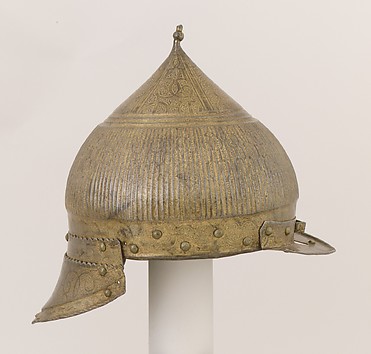
Helmet, Steel, iron, gold, silver, copper alloy, Turkish, probably Istanbul
Turkish, probably Istanbul
ca. 1560
Silk textile with Seraphim and Crosses, Silk, lampas weave (ground in satin, pattern in twill), Ottoman
Ottoman
17th century
Dagger (Jambiya) with Sheath, Steel, jade, gold, velvet, gemstone, Ottoman
Ottoman
18th century
Ring Bit, Iron alloy, silver, copper, Ottoman
Ottoman
18th–19th century
Archer's Ring, Jade, gold, Ottoman
Ottoman
probably late 16th–early 17th century
Fragment of woven silk with Seraphim and Crosses, Silk, Ottoman
Ottoman
17th century
Embroidered cross from an Omophorion, Silk and metal thread embroidery on a foundation of silk satin backed with linen plain weave, Ottoman
Ottoman
late 17th or early 18th century
Embroidered cross from an Omophorion, Silk and metal thread embroidery on a foundation of silk satin backed with linen plain weave, Ottoman
Ottoman
late 17th or early 18th century
Ottoman Court Carpet, Wool (warp, weft and pile); asymmetrically knotted pile
late 16th–17th century
Short Sword (Yatagan) from the Court of Süleyman the Magnificent (reigned 1520–66), Ahmed Tekelü  possibly Iranian, Steel, gold, ivory (walrus), silver, turquoise, pearls, rubies, Turkish, Istanbul
Ahmed Tekelü
ca. 1525–30
Diadem, Copper Alloy, Eastern European
Eastern European
1200–800 BCE
Burgonet in Oriental Fashion (Zischägge), Steel, gold, brass, German, probably Nuremberg
German, probably Nuremberg
ca. 1560
Boss from a Horse Breast Collar, Copper alloy, gold, tin, Ottoman or Tatar
Ottoman or Tatar
late 17th–18th century
Boss from a Horse Breast Collar, Copper alloy, gold, Ottoman or Tatar
Ottoman or Tatar
late 17th–18th century
Boss from a Horse Breast Collar, Copper alloy, Ottoman or Tatar
Ottoman or Tatar
late 17th–18th century
Boss from a Horse Breast Collar, Copper alloy, Ottoman or Tatar
Ottoman or Tatar
late 17th–18th century
Boss from a Horse Breast Collar, Copper alloy, Ottoman or Tatar
Ottoman or Tatar
late 17th–18th century
The Bodhisattva Vajrapani, Sandstone, Eastern India, Bihar, probably Nalanda
Eastern India, Bihar, probably Nalanda
7th–early 8th century
Shaffron, Steel, iron, leather, probably Turkish
probably Turkish
ca. 1525–50
Hand and a Half Sword, Steel, leather, wood, German
German
ca. 1500–1525
Hungarian-Style Shield, Wood, leather, gesso, polychromy, Eastern European
Eastern European
ca. 1500–1550
Hungarian-Style Shield, Wood, leather, gesso, polychromy, Eastern European
Eastern European
ca. 1500–1550
Ottoman, Mahogany, American
American
ca. 1840
Ottoman, Herter Brothers  American, Rosewood (secondary woods: cedar, chestnut), leather, replacement upholstery, American
Herter Brothers
ca. 1881–82
Length of furnishing fabric, Silk, French
French
1830s
Statuette of a hippo goddess, probably Taweret, Glassy faience
332–30 BCE
Terracotta head of a woman, probably a sphinx, Terracotta, Greek
Greek
1st quarter of the 5th century BCE
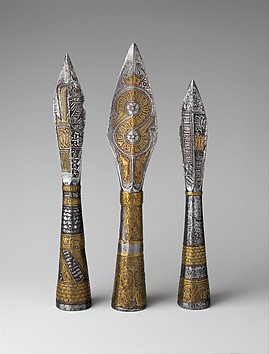
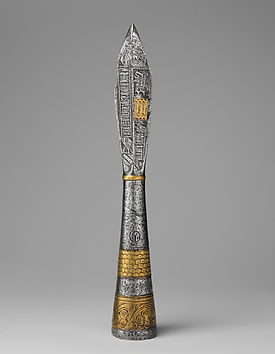
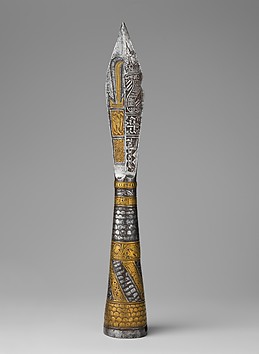
Ceremonial Arrowhead, Steel, copper alloy, Bohemian, probably Prague
Bohemian, probably Prague
ca. 1437–39
Dish: The Destruction of the Hosts of Pharaoh, Master IC (probably Jean Court) or French, Limoges, Painted enamel on copper, partly gilt.
Master IC (probably Jean Court)
Jean Cour (or Court)
probably early 17th century