Search for Art
1-42 of 23,267 results for Painter of the Louvre Komoi
Sort by:
Show only
Images
Date
Object type / material
Geographic location
Department
![Terracotta fragment of a kylix (drinking cup), Painter of the Louvre Komoi [DvB], Terracotta, Greek, Attic](https://images.metmuseum.org/CRDImages/gr/web-additional/DVB04963_1_ff.jpg)
Painter of the Louvre Komoi
second quarter of the 5th century BCE
![Terracotta fragment of a kylix (drinking cup), Painter of the Louvre Komoi [DvB], Terracotta, Greek, Attic](https://images.metmuseum.org/CRDImages/gr/web-additional/DVB06613_1_ff.jpg)
Painter of the Louvre Komoi
500–480 BCE
Painter of the Louvre Komoi
ca. 500 BCE


Painter of the Louvre Centauromachy
mid-fifth century BCE
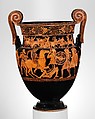
Painter of the Woolly Satyrs
ca. 450 BCE

Painter of Louvre G 456
ca. 460–450 BCE
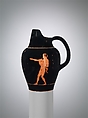
Painter of Louvre CA 1694
ca. 450 BCE
![Terracotta rim fragment of a kylix (drinking cup), Painter of Louvre G 456 [DvB], Terracotta, Greek, Attic](https://images.metmuseum.org/CRDImages/gr/web-additional/DVB04154_2_ff.jpg)
Painter of Louvre G 456
480–470 BCE
Painter of Louvre CA 1694
ca. 450 BCE
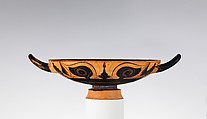
Group of the Phineus Painter
ca. 540–520 BCE
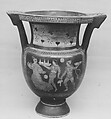
Painter of the Bari Orestes
ca. 375–350 BCE
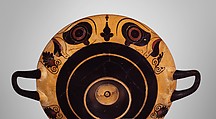
Group of the Phineus Painter
ca. 540–520 BCE
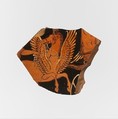
Painter of the Dublin Situlae
mid-4th century BCE
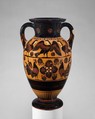
Painter of the Cambridge Hydria
ca. 540 BCE

Painter of the Dublin Situlae
mid-4th century BCE
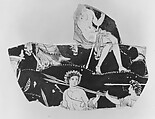
Painter of the Dublin Situlae
mid-4th century BCE
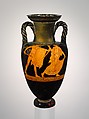
Painter of the Yale Oinochoe
ca. 470 BCE
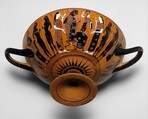
Painter of the Nicosia Olpe
ca. 550 BCE
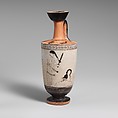
Painter of the Yale Lekythos
ca. 470–460 BCE
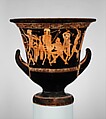
Painter of the Berlin Hydria
ca. 460–450 BCE
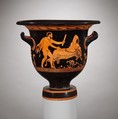
Painter of the Long Overfalls
ca. 380–360 BCE
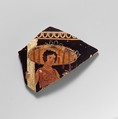
Painter of the Geneva Orestes
ca. 360–350 BCE
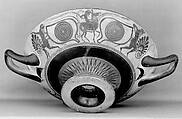
Painter of Louvre F 120
ca. 540–530 BCE
![Terracotta fragment of a kylix (drinking cup), Painter of Louvre G 265 [DvB], Terracotta, Greek, Attic](https://images.metmuseum.org/CRDImages/gr/web-additional/DVB07223_1_ff.jpg)
Painter of Louvre G 265
second quarter of the 5th century BCE
![Terracotta fragment of a kylix (drinking cup), Painter of Louvre G 265 [DvB], Terracotta, Greek, Attic](https://images.metmuseum.org/CRDImages/gr/web-additional/DVB05515_1_ff.jpg)
Painter of Louvre G 265
second quarter of the 5th century BCE
![Terracotta rim fragment of a kylix (drinking cup), Painter of Louvre G 265 [DvB], Terracotta, Greek, Attic](https://images.metmuseum.org/CRDImages/gr/web-additional/DVB02031_1_ff.jpg)
Painter of Louvre G 265
second quarter of the 5th century BCE
![Terracotta rim fragment of a kylix (drinking cup), Painter of Louvre G 456 [DvB], Terracotta, Greek, Attic](https://images.metmuseum.org/CRDImages/gr/web-additional/DVB06781_1_ff.jpg)
Painter of Louvre G 456
460–450 BCE
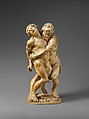
Master of the Martyrdom of St. Sebastian
probably mid-17th century
Master of the Codex of Saint George
ca. 1330–35
Painter of the Villa Giulia 1664
mid-4th century BCE
Painter of the New York Hypnos
ca. 440–430 BCE
Painter of the Vienna Stamnos 318
late 6th–early 5th century BCE
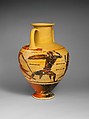
Painter of the Vienna Stamnos 318
late 6th century BCE
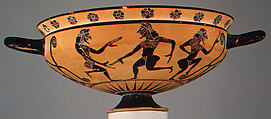
KX Painter
Painter of New York 22.139.22
ca. 580–570 BCE
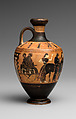
Amasis Painter
ca. 550–530 BCE
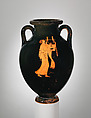
Berlin Painter
ca. 490 BCE
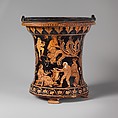
Lycurgus Painter
ca. 360–340 BCE

Dolon Painter
ca. 400–390 BCE
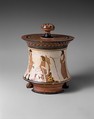
Penthesilea Painter
ca. 465–460 BCE
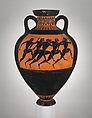
Euphiletos Painter
ca. 530 BCE
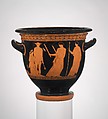
Persephone Painter
ca. 440 BCE