The Henry R. Luce Center for the Study of American Art, The Metropolitan Museum of Art, New York
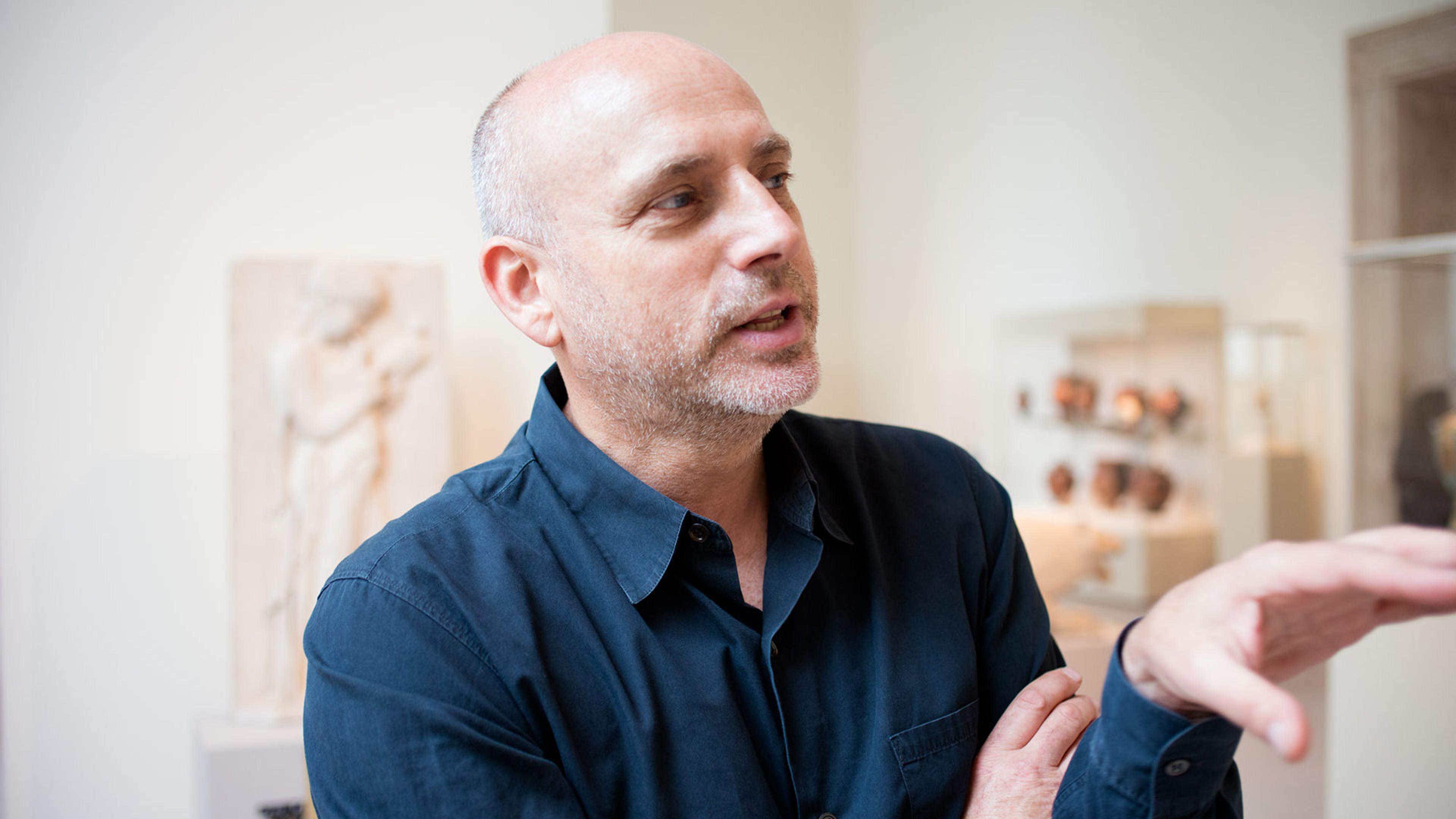
My name is Vik Muniz and I’m a visual artist.
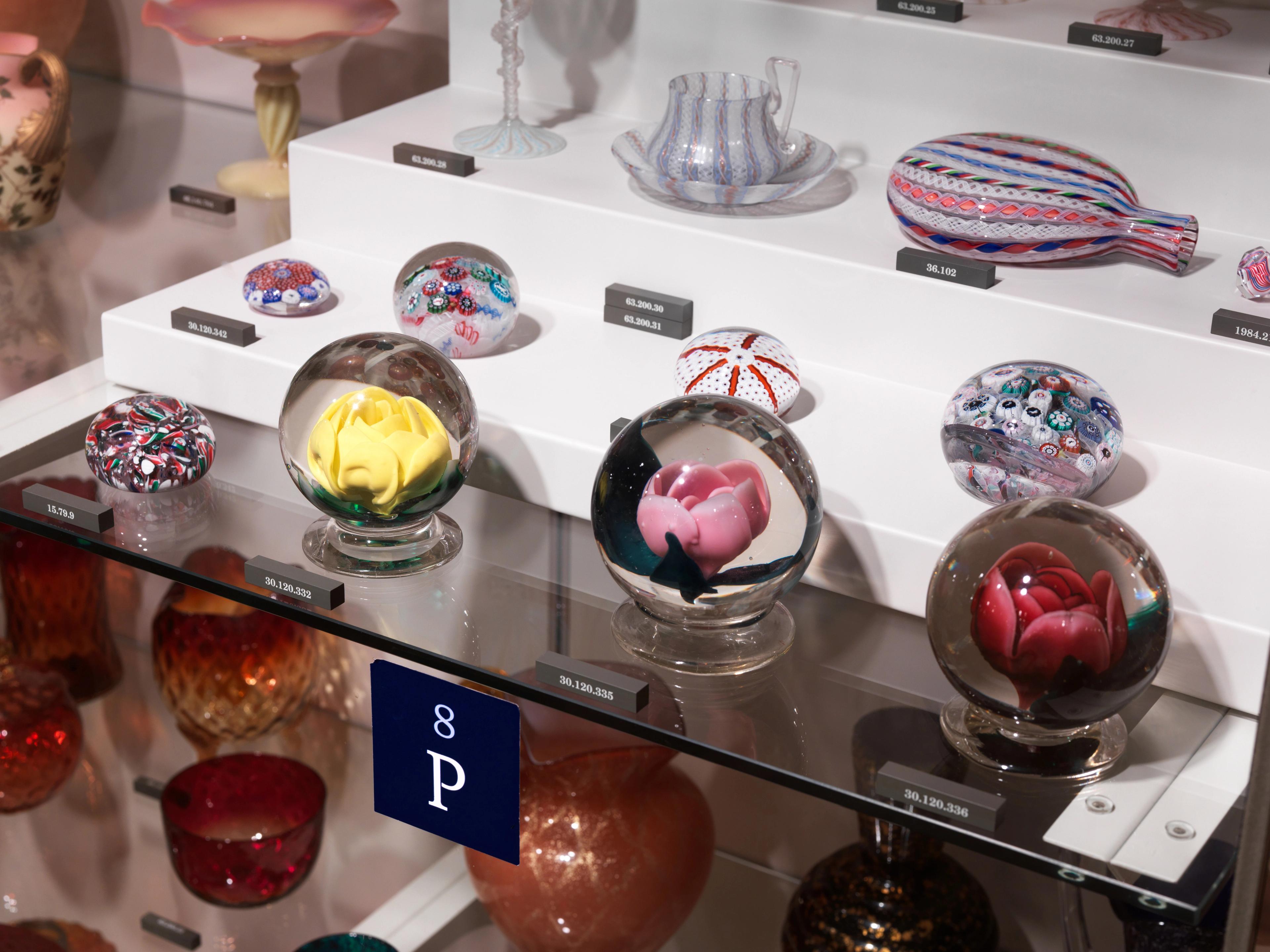
I remember finding this place completely by chance. My first impression was that the entire place was some kind of weird contemporary art installation. I actually asked a guard, and he said, “No, this is a storage that was all made visible so that the objects are always constantly on view.”
Now, the Luce Center is a place that I always visit, every time I come to the Museum, because it always gives me ideas, because the connections between one object and another are very loose, and they are not preconceived. It’s like you are in the vegetable market, you know, you haven’t cooked them yet.
You have perfume flasks and then Tiffany lamps and decorative paintings and sculptures, grandfather clocks and doorknobs, paperweights. It’s a wealth of stimuli.
There is an area of the Luce Center filled with frames, which I think is a great metaphor for the museum as a whole. The museum itself is a huge frame, is a huge pedestal. You choose to put things in it. Outside the Luce Center the museum creates an idea of quality: what’s a high-quality object? What’s an object that represents a certain point in history? When you see one thing by itself separated from a class of things, all of a sudden that becomes a masterpiece, something very precious, very important. Perhaps because I come from Brazil and I grew up during a military dictatorship, I became very allergic to propaganda or any structured kind of information to come my way.
In the Luce Center the sheer accumulation of objects and their casual taxonomy makes it like a semantic maze. You’re trying to find meaning, and these things are not really leading you in any way, they’re not asking you any questions: they just are. You have to look without prejudice. It leaves up to you to make up your own narrative, to create your own story. You’re not just looking at something because somebody told you it’s good. You have to figure out how to find your way around a place where you have access to everything at once. It’s like the Internet, but it’s material. You feel its physical presence. I normally say that art is only alive when there’s somebody in front of it, so it’s a beautiful idea.
The fact that you have a great percentage of the collection in the Luce Center makes you think more. You meditate upon the idea that most of the information that gets to you one way or another is being somehow manipulated, is somehow crafted, and it is in a certain way biased. The Luce Center is transgressive in that you’re being empowered. It makes you think about the mechanisms of this place: how things get shown and how things do not get shown. And it’s quite refreshing. It’s like the anti-museum.