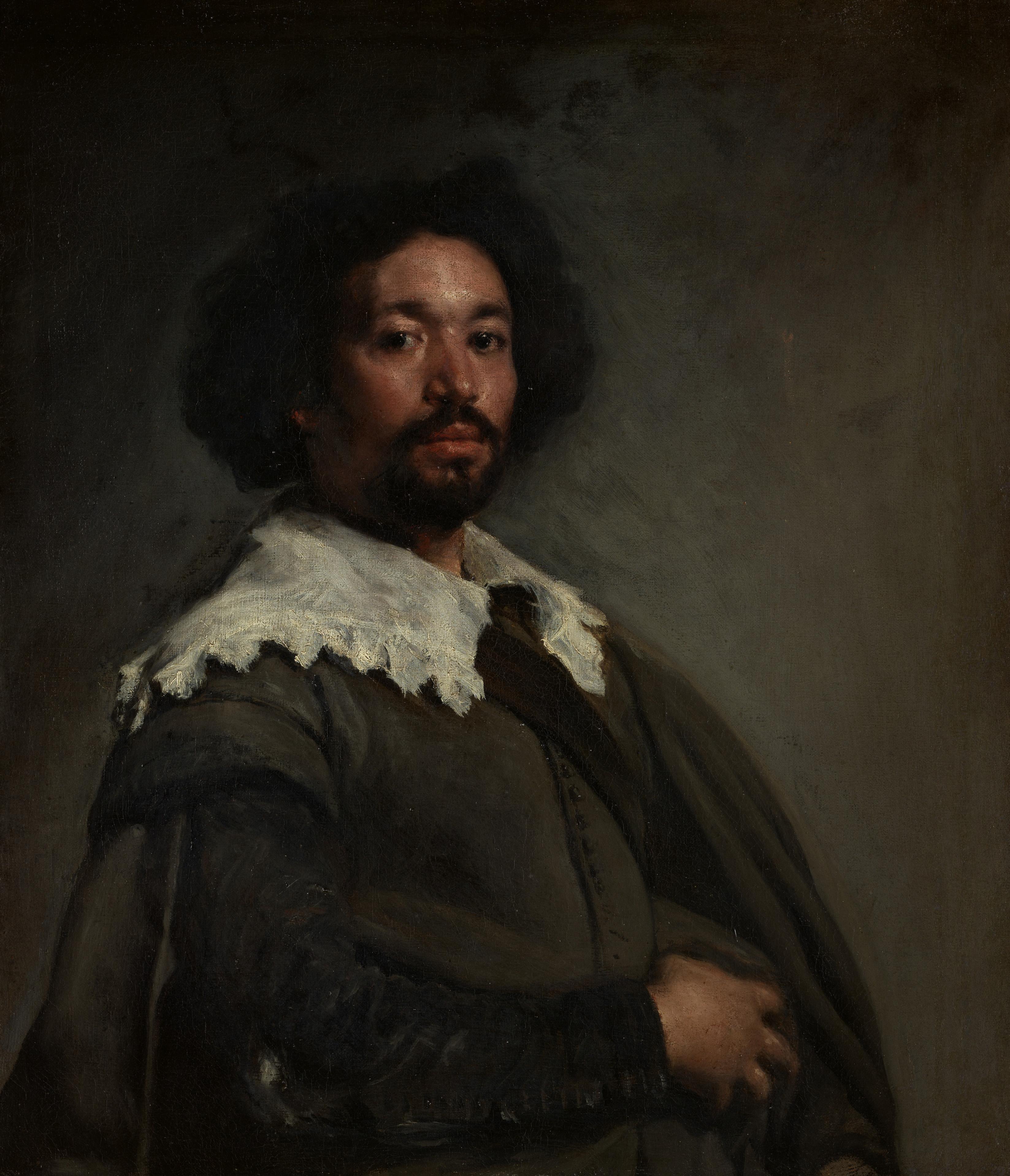
Velázquez (Diego Rodríguez de Silva y Velázquez) (Spanish, 1599–1660). Juan de Pareja (ca. 1608–1670), 1650. Oil on canvas, 32 x 27 1/2 in. (81.3 x 69.9 cm). The Metropolitan Museum of Art, New York, Purchase, Fletcher and Rogers Funds, and Bequest of Miss Adelaide Milton de Groot (1876-1967), by exchange, supplemented by gifts from friends of the Museum, 1971 (1971.86)
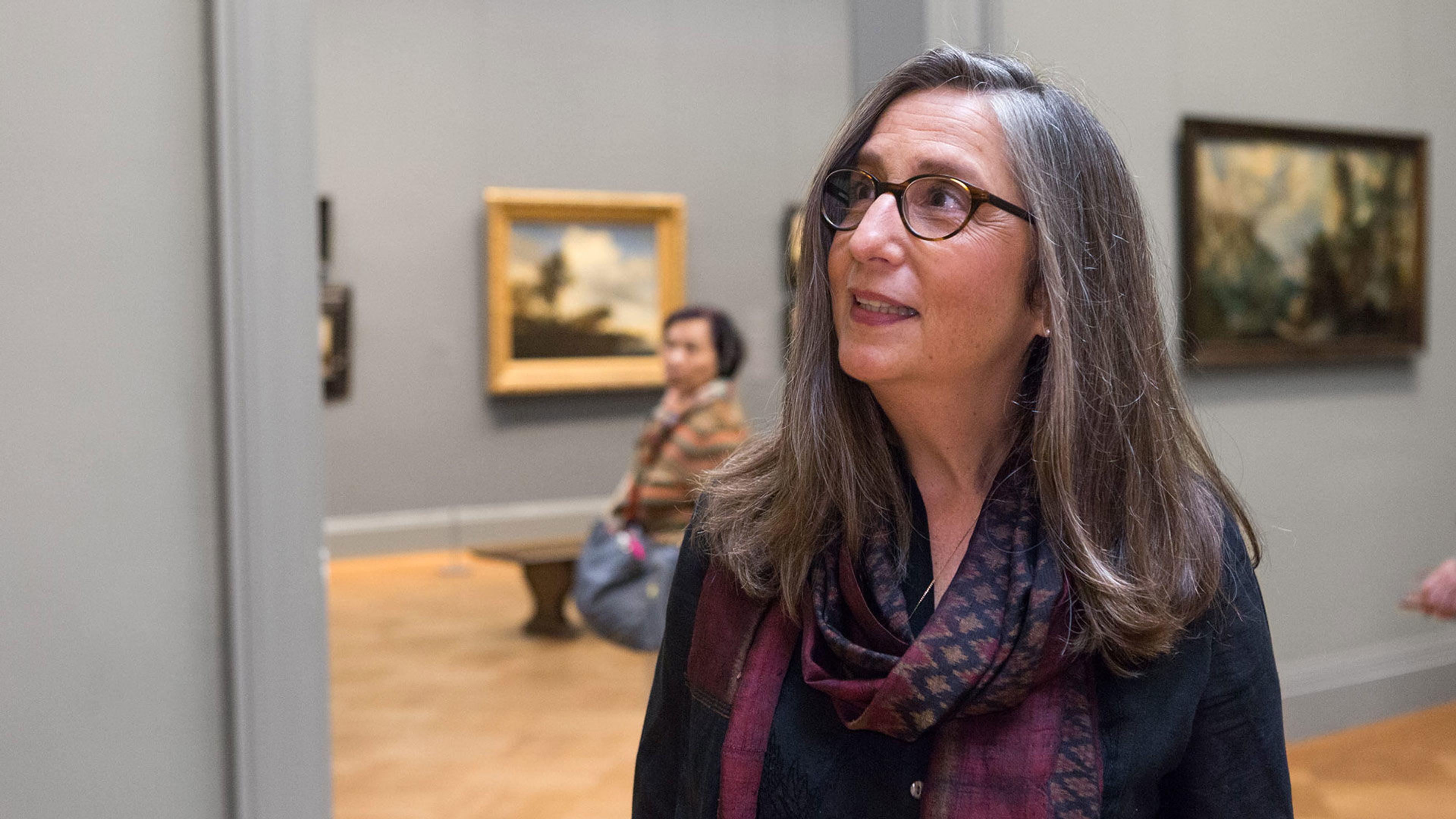
My name is Julie Mehretu and I’m a painter.
There are certain paintings that stand out in a gallery, that call you to them. Even with all the other Velázquez works in that room, this was one of the paintings that has always haunted me. It's a big marker for me, here at The Met.
It’s a portrait, so I went back and looked up some of the narratives around this painting, one being that Velázquez spent a few years in Rome preparing to make the portrait of Innocent X, and Juan de Pareja de Velázquez at the time was with him. He was one of his primary assistants and he was his slave. I read this and I was thinking, “how do you paint your slave?” You know, the American slave narrative is very different, but this is a person who did not have his rights to himself. There’s such irony in that set up: the fact that Velázquez could capture the complex emotion that comes from his own position as the owner of this person, and what that denies that person.
He’s standing there very proud, dignified. The slipping of his hand under his shawl pulls you to that part of him, just under his heart. The hair falls back into the background and gives the illumination of the face this radiance. When you come up close to it and you look at the way the brushstrokes articulate the lace on the shawl, it's just incredible. I get goose bumps. The gentleness of the brush on his face, articulating his mouth, his lips, his nostrils—he's almost holding a breath. You feel like you’re encountering a real human.
To be able to capture the complete humanity of someone you think of as not completely human in the same level as you... There’s an incredible contradiction there that blows my mind, actually. Think of the political implications of painting a black man with copper skin and brown eyes and then the piercing look: it’s not contempt, I don’t read it as rageful or angry, and it’s not resignation, but this very conflicted, implicit sadness in that human being, described within that dignity.
There’s honor in being painted by someone such as Velázquez, but on the other hand, Juan de Pareja was also a painter in his own right, from what I read. And in one narrative Velázquez freed him to follow his work. In another narrative, Velázquez didn’t actually want him to paint, and he painted secretly without Velázquez's knowledge of it. So there are these competing narratives, and those are also fascinating to me. Who knows what the narrative actually is and what the intention was with the portrait? But the fact that it wasn’t for years after this painting was made that he was freed. Looking at his expression I’m moved, almost to tears. That’s not often that a painting can do that. It’s hard to give language to that experience that happens when you’re in front of a work like this that feels so alive. And you walk back from it and his eyes don’t leave you. I leave and I still see his face.