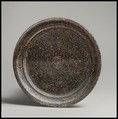
Bacia com guirlanda
Artwork Details
- Título: Bacia com guirlanda
- Período: Período de Augusto
- Data: Fim do século I a.C.
- Geografia: Roma
- Meio: Vidro modelado
- Dimensões: 18,1 cm de diâmetro
- Linha de créditos: Coleção de Edward C. Moore, legado de Edward C. Moore, 1891
- Número de acesso: 91.1.1402
- Curatorial Department: Greek and Roman Art
Audio
1072. Glass garland bowl
This translucent glass bowl is an extraordinary example of early Roman glass working. Notice how the light picks out the separate sections of glass in purple, yellow, blue, and clear. The craftsman formed the shape of the bowl by pressing together these slices of glass in a casting mold. Afterwards, he fused on the decorative glass garlands. This is the only known, complete example from antiquity that shows both of these techniques—casting and fusing—on a single vessel.
This bowl’s rich colors and carefully made floral design testify to the splendid craftsmanship of Roman glass during the reign of Augustus—between 27 B.C. and 14 A.D. Rome had become a major center for luxury glassmaking because that is precisely where the market was! Glass became fashionable and highly desirable, and craftsmen designed especially lavish works for those who could afford them. The high society in Augustan Rome collected these luxury glass objects and displayed them in their homes as signs of their wealth and social status.
More Artwork
Related Content



Research Resources
The Met provides unparalleled resources for research and welcomes an international community of students and scholars. The Met's Open Access API is where creators and researchers can connect to the The Met collection. Open Access data and public domain images are available for unrestricted commercial and noncommercial use without permission or fee.
To request images under copyright and other restrictions, please use this Image Request form.
Feedback
We continue to research and examine historical and cultural context for objects in The Met collection. If you have comments or questions about this object record, please contact us using the form below. The Museum looks forward to receiving your comments.
Content Notice
The Metropolitan Museum of Art presents over 5,000 years of art from around the world, and our online collection reflects ongoing work conducted over the course of our more than 150-year history. You may encounter objects or images that may be inappropriate for some viewers or information that may be outdated.