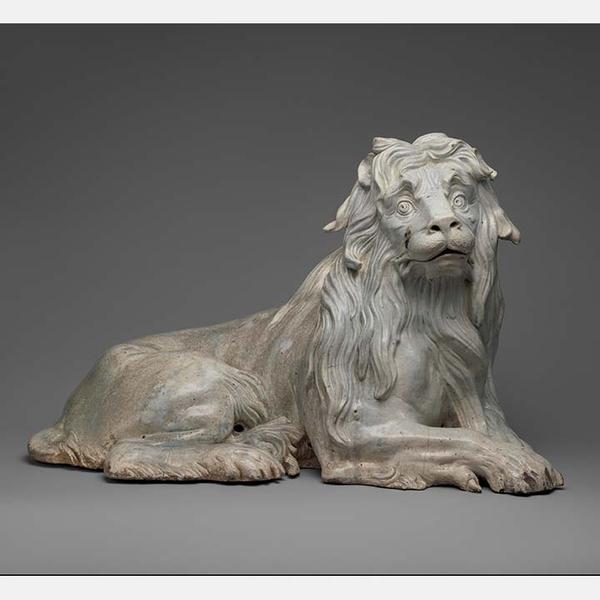
Лев (один из пары)
Artwork Details
- Название: Лев (один из пары)
- Художник: По модели, авторство которой приписывается Иоганну Готтлибу Кирхнеру, Германия, около 1706–1737 гг.
- Дата: около 1732 г.
- География: Германия, Мейсен
- Материал: Твердый фарфор
- Размер: 53,3 x 83,2 x 34,3 см
- Благодарность: Фонд Райтсмена, 1988
- Номер объекта: 1988.294.1
- Curatorial Department: European Sculpture and Decorative Arts
Audio
2325. Meissen Lion
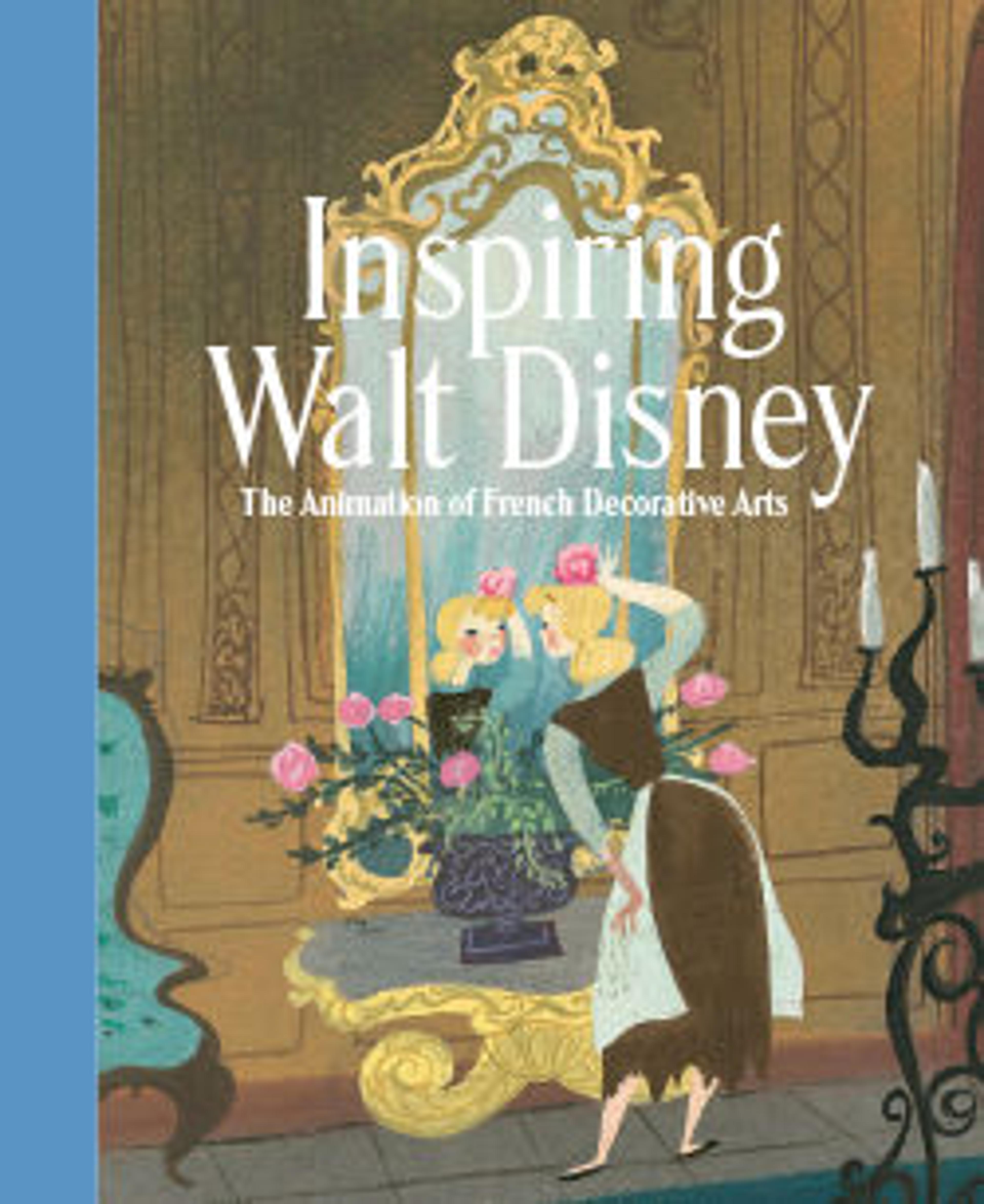
Inspiring Walt Disney
PAIGE O'HARA:
This porcelain lion was made for Augustus the Strong, Elector of Saxony and King of Poland. Augustus was obsessed with porcelain and founded the Meissen manufactory. He ordered a menagerie of 600 animals from them, including this lion designed by Johann Gottlieb Kirchner.
Take a close look at the lion’s eyes, which speak to a larger story. In the 18th century, philosophers debated whether animals had souls and, therefore, feelings. If so, some believed that this was expressed through their facial expressions, particularly the eyes. Kirchner tried to communicate this lion’s monarchical nature through his raised eyebrows. But the effect is more melancholy than regal, highlighting the challenges artists face when anthropomorphizing animals.
Eyes speak volumes for people, too. Nearby, is a portrait of Magdalena Gonzáles. Her father, Pedro, was brought to Paris from the Canary Islands and their family lived at various European courts. Several family members, including Pedro and Magdalena, were afflicted with a genetic condition causing excess hair. They participated in court life, but weren’t treated as human equals. Instead, they were seen as curiosities, often equated to animals. Magdalena’s story is one of alienation and oppression, and in this portrait, it’s her eyes that convey her humanity with great poignancy.
When drawing the Beast, Disney animator Glen Keane equally paid special attention to depicting the eyes, as he attempted to convey the character’s humanity.
More Artwork
Related Content

Research Resources
The Met provides unparalleled resources for research and welcomes an international community of students and scholars. The Met's Open Access API is where creators and researchers can connect to the The Met collection. Open Access data and public domain images are available for unrestricted commercial and noncommercial use without permission or fee.
To request images under copyright and other restrictions, please use this Image Request form.
Feedback
We continue to research and examine historical and cultural context for objects in The Met collection. If you have comments or questions about this object record, please contact us using the form below. The Museum looks forward to receiving your comments.
Content Notice
The Metropolitan Museum of Art presents over 5,000 years of art from around the world, and our online collection reflects ongoing work conducted over the course of our more than 150-year history. You may encounter objects or images that may be inappropriate for some viewers or information that may be outdated.