
The American Wing
About Us
Visitors to the American Wing will experience in more than 75 galleries on three floors varied art, design, and culture from the mid-seventeenth to the mid-twentieth century, with some contemporary expressions, by a diverse array of artists from across North America. Since our founding in 1924, this curatorial department has evolved its collecting to include some 20,000 artworks in many mediums by African American, Asian American, Euro-American, Latin American, and Native American makers, affirming ever more inclusive definitions of American art and identity. These dynamic holdings include painting, sculpture, drawing, furniture, textiles, regalia, ceramics, basketry, glass, silver, metalwork, jewelry, as well as historic interiors and architectural fragments, produced by highly trained and self-taught artists, both identified and unrecorded. Monumental sculpture, stained glass, and architectural elements are installed in the Charles Engelhard Court; silver, gold, glass, and ceramics on the courtyard balconies. Narratives of American domestic architecture and furnishings are explored in twenty historical interiors, or period rooms. Changing rotations of painting, sculpture, works on paper, and textiles appear throughout the Wing.
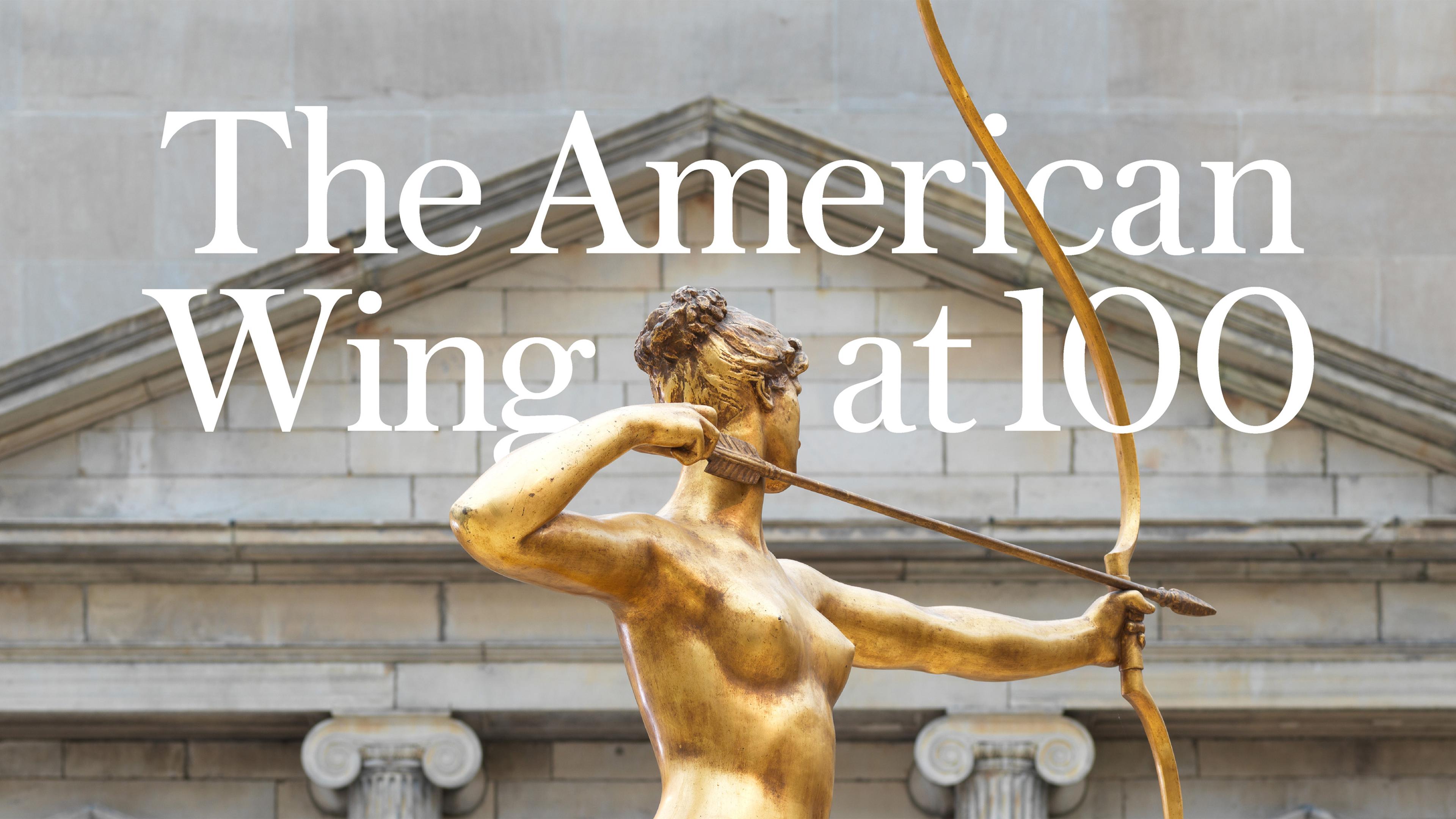
Since its establishment in 1870, The Met has acquired significant examples of American art. A separate American Wing to display Euro-American domestic arts of the seventeenth to early nineteenth centuries opened in 1924; painting and sculpture galleries and a skylit courtyard were added in 1980. A major renovation and reinstallation of the Wing’s space and collection occurred between 2002 and 2012, and, in 2024, the department marked its 100th anniversary with a new reinstallation highlighting its history and ongoing evolution.
The Metropolitan Museum of Art is situated in Lenapehoking, homeland of the Lenape diaspora, and historically a gathering and trading place for many diverse Native Peoples, who continue to live and work on this island. We respectfully acknowledge and honor all Indigenous communities—past, present, and future—for their ongoing and fundamental relationships to the region.
Art
Thomas Eakins
1878
Lilly Martin Spencer
1854
Designer Designed by Louis C. Tiffany
Tiffany Studios
1904–15
Anishinaabe, possibly Mississauga Ojibwa, Native American
ca. 1800
Maria Martínez
Julián Martínez
1919–20
Meta Overbeck
Louis C. Tiffany
Manufacturer Tiffany & Co.
ca. 1914–15
Adeline Harris Sears
begun 1856
John White Alexander
1895
Showing 8 of 125
Articles, Audio, and Video
Featured
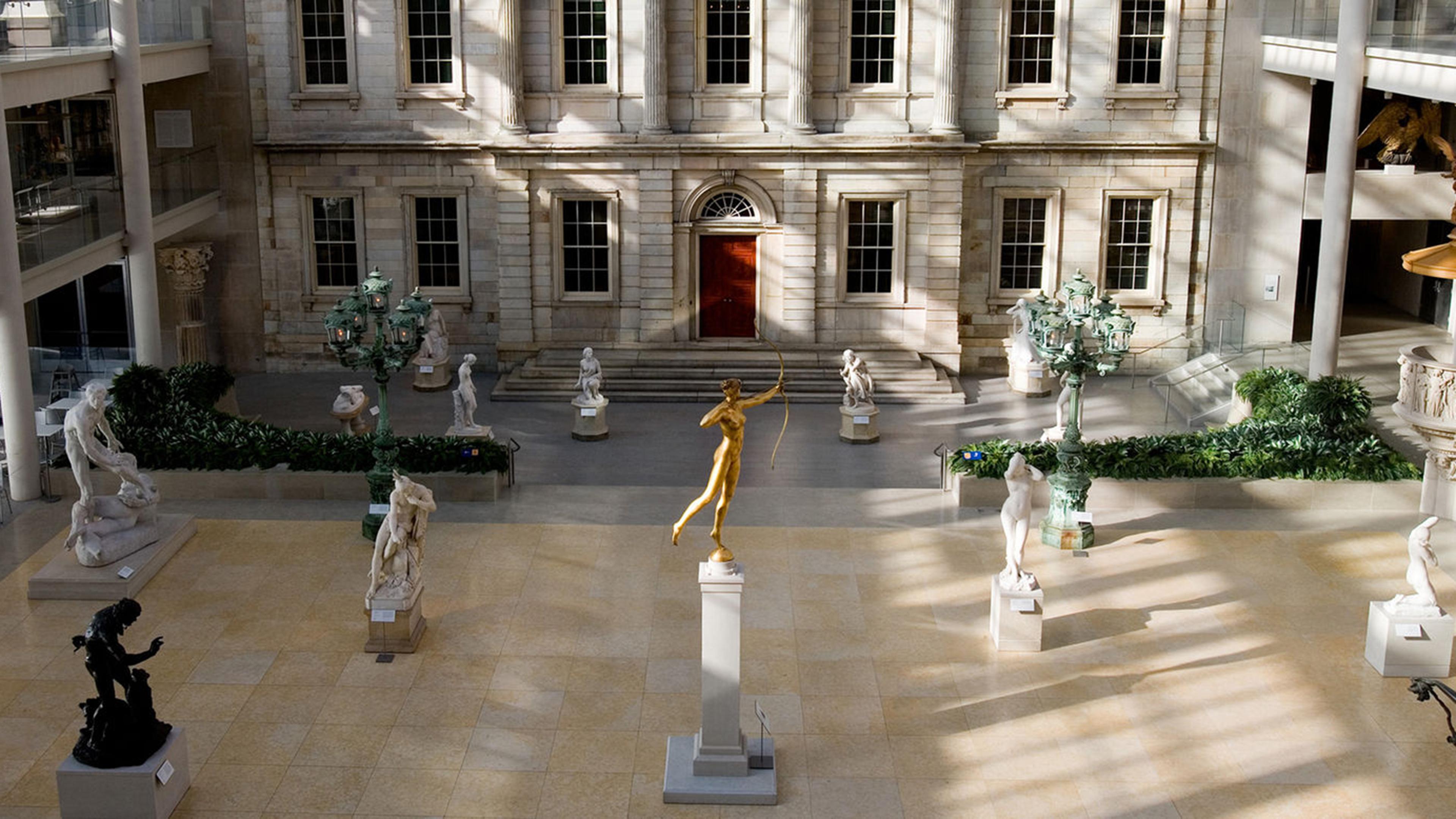
Art has a unique way of bringing complicated facts to life. What can it tell us about the multiple histories of two continents over several centuries? Visit the American Wing Primer.
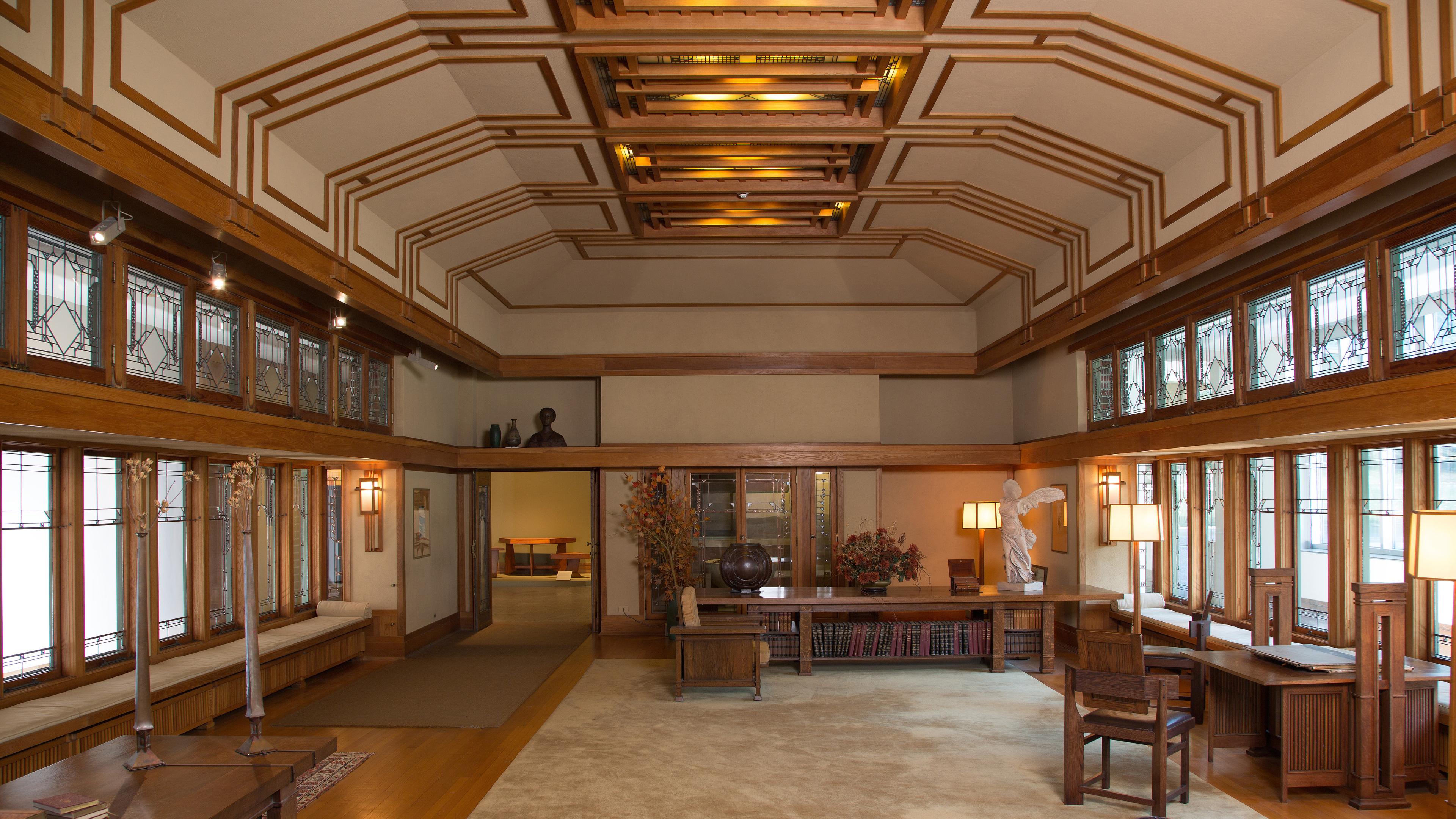
The story of American domestic architecture and furnishings is told in twenty historic interiors, or period rooms. Explore three hundred years of domestic life—from seventeenth-century Massachusetts to early twentieth-century Minnesota—to gain insight into the histories of these interiors and the lives of those who inhabited them.

Contemporary Native artists and historians respond to 18th- and 19th-century Euro-American representations of Indigenous subjects in the American Wing’s collection.
The Latest
Research
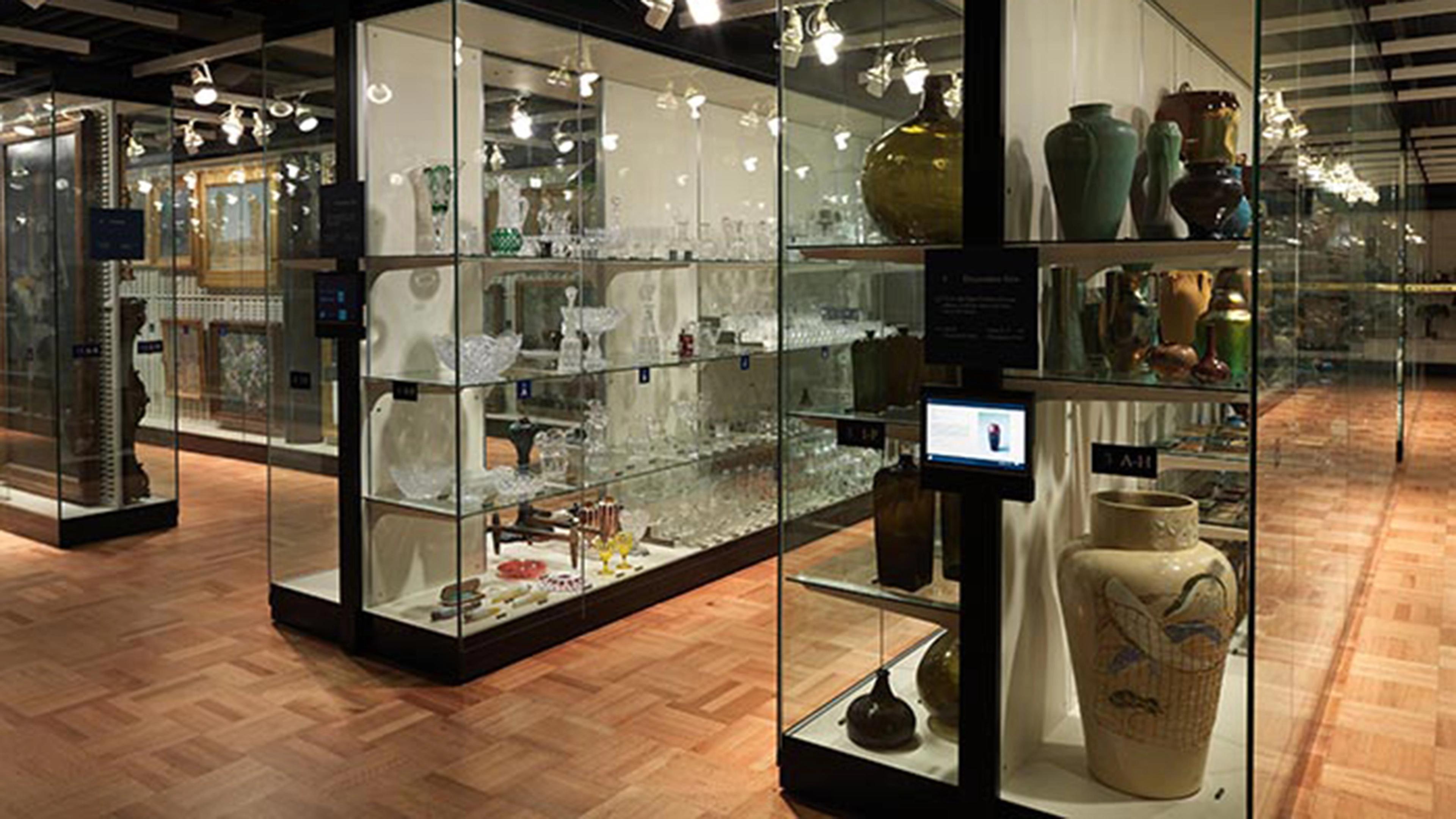
Study Room
The American Wing’s open-storage and installation space, features wide-ranging collections not on view in the main galleries. The research opportunities afforded by this display make the Luce Center a focal point for education in the American Wing.
Study and Storage Center
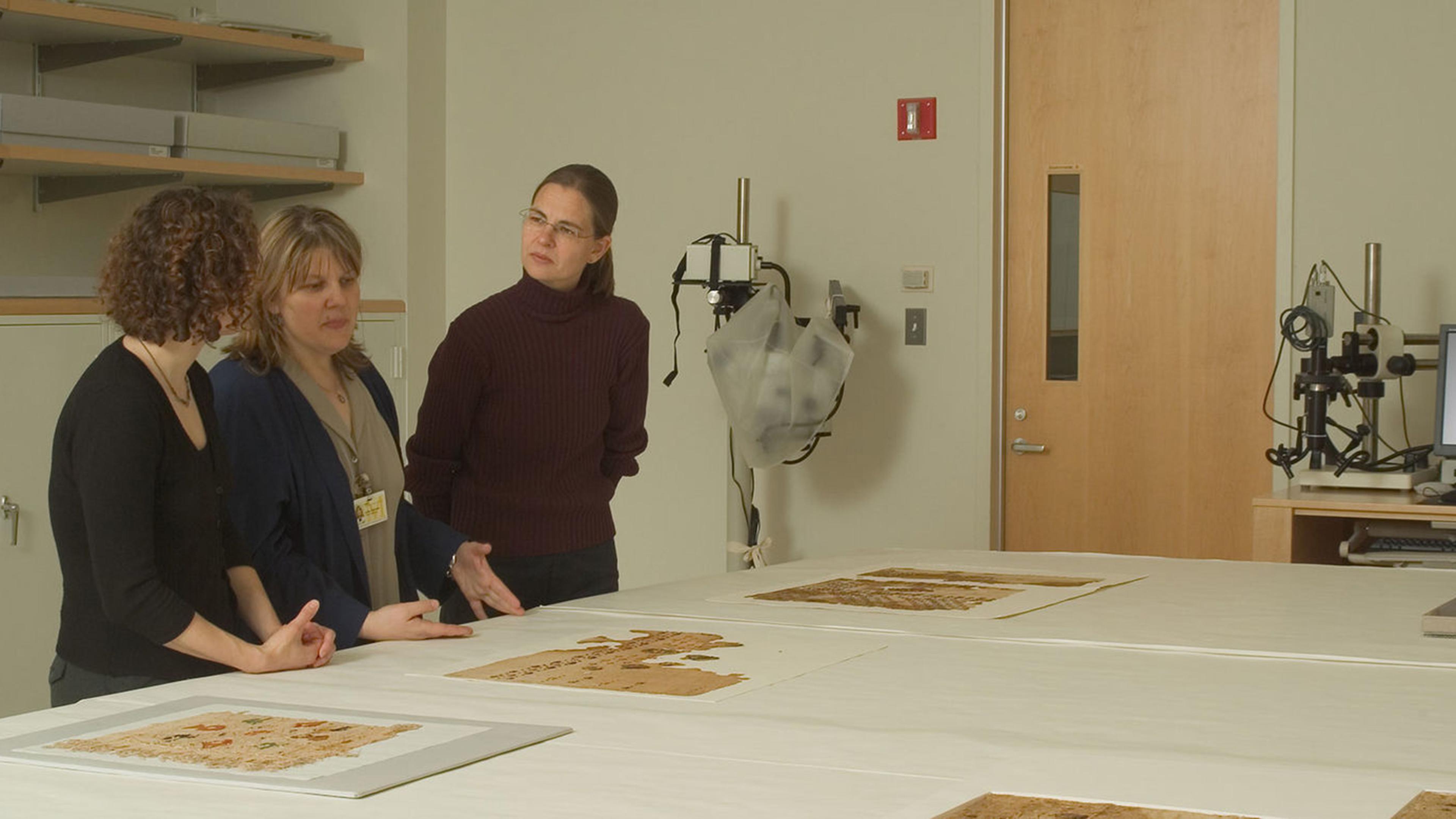
Antonio Ratti Textile Center provides the environmental conditions necessary for the long-term preservation of textile works of art at The Met, as well as study and research facilities for Museum staff and the general public.
Exhibitions
current


past