Search the collection

Filter By

Object Type / Material
Geographic Location
Department
Date
Show Only:
  • As part of the Met's Open Access policy, you can freely copy, modify and distribute this image, even for commercial purposes.
    APIPublic domain data for this object can also be accessed using the Met's Open Access API
  • Objects with changed or unknown ownership in continental Europe between 1933-1945. Learn more
Showing 254 results for Afewerk Tekle
Sort by:
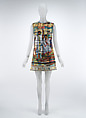
Dress, Afewerk Tekle  Ethiopian, silk, metal, probably British
Afewerk Tekle
ca. 1965
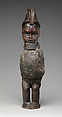
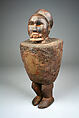
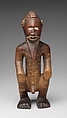
Ancestor figure, Teke artist, Wood (ngasu or mulong), cloth, organic matter, pigment, Teke peoples
Teke artist
19th century
Figurative vessel, Teke or Lari artist, Terracotta, Teke or Lari peoples
Teke or Lari artist
early to mid-twentieth century
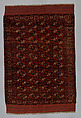
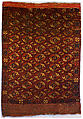
Tekke Main Carpet, Wool (warp), wool (weft and pile); asymmetrically knotted pile
early 19th century
Tekke Main Carpet, Wool; asymmetrically knotted pile
probably early–mid-19th century
Purple Mekle Lippis, Jules Olitski  American, born Ukraine, Acrylic on canvas
Jules Olitski
1961
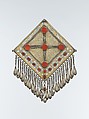
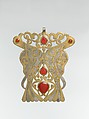
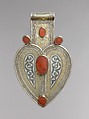
Teke Pectoral Ornament, Silver; fire gilded and engraved/punched with openwork, gallery wire decoration, twisted silver wire chains and embossed pendants, and table-cut carnelians
late 19th–early 20th century
Teke Pectoral Ornament, Silver; fire gilded and engraved/punched with gallery wire, twisted wire chains, and embossed pendants and cabochon carnelians
late 19th–early 20th century
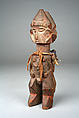
Nkiba or butti ancestor figure, Fumu-Teke or Bembe-Kongo artist, Wood (ngasu or mulong), cloth, organic matter, Teke peoples, Fumu group or Kongo peoples, Bembe group
Fumu-Teke or Bembe-Kongo artist
19th–early 20th century
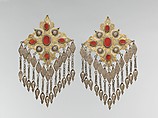
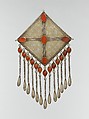
Teke Floral Pectoral Ornament, One of a Pair, Silver, fire-gilded and chased, with applied decoration, openwork, wire chains, pendants with applied decoration, and table-cut carnelians
late 19th–early 20th century
Teke Floral Pectoral Ornament, One of a Pair, Silver, fire-gilded and chased, with applied decoration, openwork, wire chains, pendants with applied decoration, and table-cut carnelians
late 19th–early 20th century
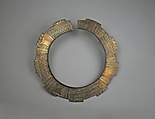
Collar, Brass, Teke peoples
Teke peoples
19th–20th century
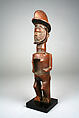
Figure: Female, Wood, Teke peoples
Teke peoples
19th–20th century
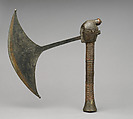
Ceremonial Axe, Wood, metal, Teke peoples
Teke peoples
19th–20th century
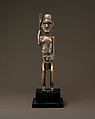
Figure: Mother and Child, Brass, Teke peoples
Teke peoples
19th–20th century
Figure: Male, Wood, fiber, Teke peoples
Teke peoples
19th–20th century
Figure: Male, Wood, encrustation, pigment, Teke peoples
Teke peoples
19th–20th century
Figure: Janus, Wood, beads, teeth, cloth, pigment, Teke peoples
Teke peoples
19th–20th century
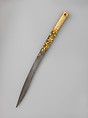
Short Sword (Yatagan) from the Court of Süleyman the Magnificent (reigned 1520–66), Ahmed Tekelü  possibly Iranian, Steel, gold, ivory (walrus), silver, turquoise, pearls, rubies, Turkish, Istanbul
Ahmed Tekelü
ca. 1525–30
"Et telle est-l'invulnerable beaute de son corps...", Auguste Rodin  French, Color lithograph
Auguste Rodin
Auguste Clot
1902
"Et telle est-l'invulnerable beaute de son corps...", Auguste Rodin  French, Lithograph, contours only
Auguste Rodin
Auguste Clot
1902
Pectoral Ornament, Silver; fire-gilded and chased, with openwork and table-cut and slightly domed and cabochon carnelians
late 19th–early 20th century
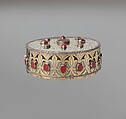
Crown, Silver, fire gilded and engraved/punched with openwork and beaded wire decoration and table cut carnelians.
late 19th–early 20th century
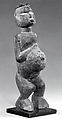
Figure: Pregnant Female, Wood, sacrificial materials, Teke or Bembe peoples
Teke or Bembe peoples
19th–20th century
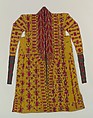
Robe (Chyrpy), Silk; embroidered in silk thread; cotton lining
first half 19th century or earlier
Seated ancestor figure, Bembe-Kongo artist, Wood, ivory, Kongo peoples, Bembe group
Bembe-Kongo artist
19th–first half of 20th century
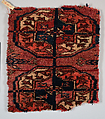
Textile Fragment, Wool (warp, weft and pile); asymmetrically knotted pile
probably 19th century
Cordiform Pendant, Silver; fire-gilded and chased, with niello inlay, decorative wire, and table-cut carnelians
mid–late 19th century
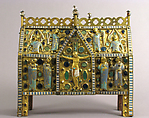
Chasse with the Life of Christ, Copper (plaques): engraved, stamped, and gilt; (appliqués): repossé, engraved, chased, scraped, and gilt; champlevé enamel: dark and medium blue, turquoise, light green, red, and white; glass cabochons; wood core., French
French
ca. 1235–45
Toussaint Lemaistre (1807/8–1888), Camille Corot  French, Oil on canvas
Camille Corot
1833
The Mater Dolorosa, Lautenbach Master  German, Pot-metal glass and colorless glass, silver stain, and vitreous paint, South German
Lautenbach Master
Circle of Peter Hemmel von Andlau (Strassburger Werkstattgemeinschaft)
ca. 1480
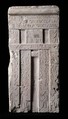
False door from the tomb of Metjetji, Limestone, paint traces
ca. 2353–2323 B.C.
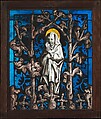
Man of Sorrows, Lautenbach Master  German, Pot-metal glass and vitreous paint, German
Lautenbach Master
Circle of Peter Hemmel von Andlau (Strassburger Werkstattgemeinschaft)
ca. 1480
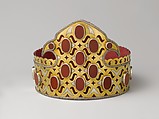
Crown, Silver; fire-gilded and chased, with openwork, decorative wire, and table-cut carnelians; contemporary red cotton lining
late 19th–early 20th century
Osiris Figure, Wood, paint
ca. 990–970 B.C.
Bronze neck-amphora (jar) with lid and bail handle, Bronze, Greek
Greek
last quarter of the 6th century BCE
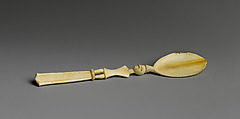
Spoon with figure, Temne or Bullom artist(s), Ivory, Temne or Bullom
Temne or Bullom artist(s)
ca. 1490–1530
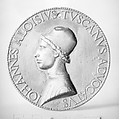
Giovanni Aloisius Toscani, Lysippus the Younger  Italian, Bronze, Italian
Lysippus the Younger
15th century
Paola Wahl Cortesi
1937
Inner rectangular coffin of Hapiankhtifi, Coniferous wood (Taxus sp.), paint
ca. 1981–1802 B.C.