私たちはこのページをできるだけ早く翻訳するために取り組んでいます。ご理解いただきありがとうございます。

Search for Art

1-42 of 65 results for animal symbolism
Sort by:
Show only
Images
Date
For BCE dates, enter a negative number. E.g. For 2000 BCE, enter -2000.
Artist / culture
Object type / material
Match
 
Show results matching
selected filters.
Geographic location
Match
 
Show results matching
selected filters.
Department
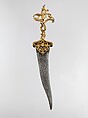
Dagger with Zoomorphic Hilt, Hilt: copper; cast, chased, gilded, and inlaid with rubies.<br/>Blade: steel; forged
second half 16th century
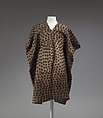
Man's Ceremonial Garment, Sisal, human hair, Bamileke peoples
Bamileke peoples
19th century
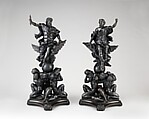
Andiron with figure of Jupiter (chenet) (one of a pair), Alessandro Algardi  Italian, Bronze, probably cast in France
After models by Alessandro Algardi
late 17th century
Andiron with figure of Juno (chenet) (one of a pair), Alessandro Algardi  Italian, Bronze, probably cast in France
After a model by Alessandro Algardi
late 17th century
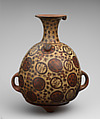
Urpu (jar), Inca artist(s), Ceramic, slip, Inca
Inca artist(s)
1400–1535 CE
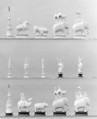
Chessmen (32), Ivory, Indian, Bengal
Indian, Bengal
late 18th century
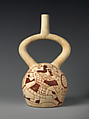
Tuber-inspired stirrup-spout bottle, Moche artist(s), Ceramic, slip, Moche
Moche artist(s)
500–800 CE
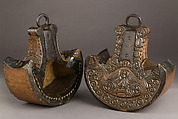
Pair of Stirrups, Wood, iron, Mapuche
Mapuche
19th century
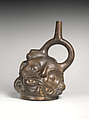
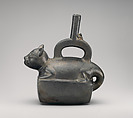
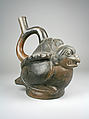
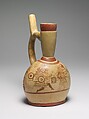
Stirrup-spout bottle with feline, Chimú artist(s), Ceramic, Chimú
Chimú artist(s)
1100–1470 CE
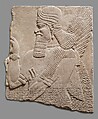
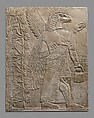
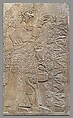
Relief panel, Gypsum alabaster, Assyrian
Assyrian
ca. 883–859 BCE
Iban people
18th–19th century
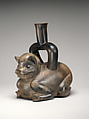
Feline-shaped stirrup-spout bottle, Cupisnique artist(s), Ceramic, Cupisnique
Cupisnique artist(s)
1200–800 BCE
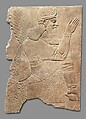
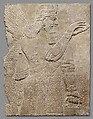
Relief panel, Gypsum alabaster, Assyrian
Assyrian
ca. 883–859 BCE
Kora ulu (canoe prow board), Tanimbar Islands artist, Wood, Tanimbar Islands
Tanimbar Islands artist
late 19th–early 20th century
Hacha head, Classic Veracruz artist(s), Andesite, Veracruz
Classic Veracruz artist(s)
600–900 CE
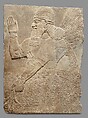
Relief panel, Gypsum alabaster, Assyrian
Assyrian
ca. 883–859 BCE
Relief panel, Gypsum alabaster, Assyrian
Assyrian
ca. 883–859 BCE
Mace head, Salinar artist(s), Stone, pigment, Salinar
Salinar artist(s)
450–150 BCE
Relief panel, Gypsum alabaster, Assyrian
Assyrian
ca. 883–859 BCE
Relief panel, Gypsum alabaster, Assyrian
Assyrian
ca. 883–859 BCE
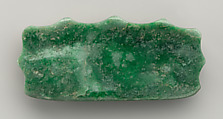
Ornament, Maya artist(s), Jade, Maya
Maya artist(s)
400–900 CE
Relief panel, Gypsum alabaster, Assyrian
Assyrian
ca. 883–859 BCE
Relief panel, Gypsum alabaster, Assyrian
Assyrian
ca. 883–859 BCE
Warrior Bottle, Ceramic, Moche
Moche
4th–7th century
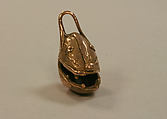
Bell, Gold, Greater Chiriquí
Greater Chiriquí
900–1520 CE
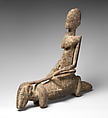
Figure riding a quadruped, Dogon or Tellem blacksmith (?), Wood (Burseraceae family), applied organic materials, Dogon or Tellem  peoples (?)
Dogon or Tellem blacksmith (?)
16th–19th century
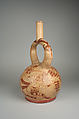
Bottle with Runners, Ceramic, slip, Moche
Moche
3rd–5th century
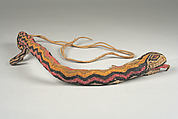
Serpent ornament, Cotton, camelid hair, Inca (?)
Inca (?)
1450–1532 CE
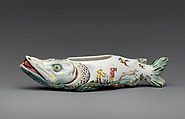
Feeding bowl, Villeroy  French, Tin-glazed soft-paste porcelain decorated in polychrome enamels, French, Villeroy
Factory Villeroy
1745
Engraver Engraved by Etienne Delaune
1566
Stirrup-spout bottle with fox warrior, Moche artist(s), Ceramic, slip, Moche
Moche artist(s)
500–800 CE
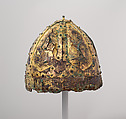
Helmet (<i>Spangenhelm</i>), Iron, copper alloy, gold, Byzantine
Byzantine
6th century
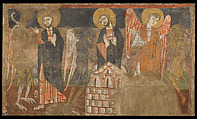
The Temptation of Christ by the Devil, Fresco transferred to canvas, Spanish
Spanish
first half 12th century (possibly 1129–34)
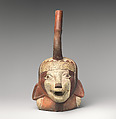
Bottle with fox head, Moche artist(s), Ceramic, slip, Moche
Moche artist(s)
500–800 CE
Romaine Brooks
March 5, 1934