덴두르 신전은 4월 26일 일요일부터 5월 8일 금요일까지 휴관합니다. 메트로폴리탄 미술관 5번가 본관은 5월 4일 월요일에 휴관합니다.

방문 계획을 세우세요
가능한 한 빨리 이 페이지를 번역하기 위해 노력하고 있습니다. 이해해 주셔서 감사합니다.

Search for Art

1-42 of 2,834 results for hippopotamus goddess hairpin
Sort by:
Show only
Images
Date
For BCE dates, enter a negative number. E.g. For 2000 BCE, enter -2000.
Object type / material
Geographic location
Department
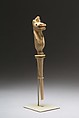
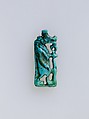
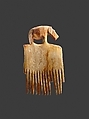
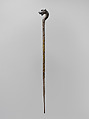
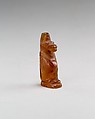
Hairpin with a Figure of a Hippopotamus, Bone
ca. 1981–1640 B.C.
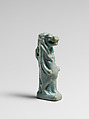
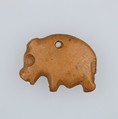
Hippopotamus ("William"), Faience
ca. 1961–1878 B.C.
Head of a Hippopotamus, Travertine (Egyptian alabaster) with traces of gesso and red pigment
ca. 1390–1352 B.C.
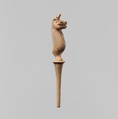
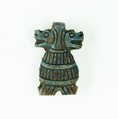
Hairpin Decorated with a Hippopotamus, Ivory
ca. 1840–1640 B.C.
Pair of Clappers, Hippopotamus ivory
ca. 1353–1336 B.C.
Hippopotamus figurine, Travertine (Egyptian alabaster)
780–525 B.C.
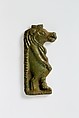
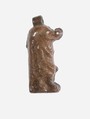
Standing Hippopotamus, Faience
ca. 1810–1700 B.C.
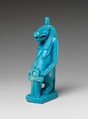
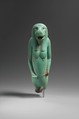
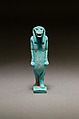
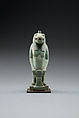
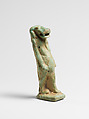
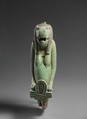
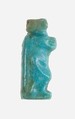
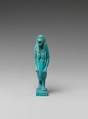
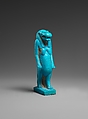
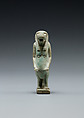
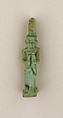
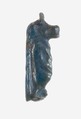
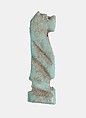
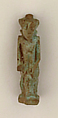
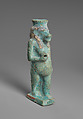
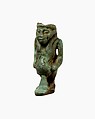
Statuette of a hippo goddess, probably Taweret, Glassy faience
332–30 BCE
Artist's Painting of a Hippopotamus, Limestone, paint
ca. 1479–1425 B.C.
Hippopotamus-head amulet, Feldspar
ca. 1981–1802 B.C.
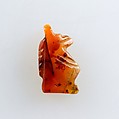
Hippopotamus, Red jasper
ca. 1550–1070 B.C.
The Goddess Durga Slaying Mahisha, Copper alloy, Nepal
Nepal
14th century
Hairpin, Wood
ca. 2030–1640 B.C.
Hairpin, Wood
ca. 2030–1640 B.C.
Hairpin, Lamp-worked glass, gilt, with copper pins, probably Italian (Venice); possibly Innsbruck
probably Italian (Venice); possibly Innsbruck
19th century
Hairpin, Lamp-worked colorless glass, gilt, wth clear trailed decoration and green and red "jewels," and copper wire., probably Italian (Venice); possibly Innsbruck
probably Italian (Venice); possibly Innsbruck
19th century
Hairpin, Lamp-worked glass, gilt, with copper pins, probably Italian (Venice); possibly Innsbruck
probably Italian (Venice); possibly Innsbruck
19th century
Head of a goddess, quartzite
ca. 1295–1270 B.C.
Hippopotamus Mold, Pottery
ca. 1390–1352 B.C.
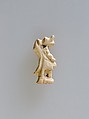
Hippopotamus Amulet, Gold
ca. 1479–1425 B.C.
Hippopotamus Amulet, Gold
ca. 1479–1425 B.C.
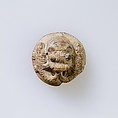
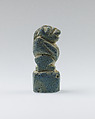
Seal Amulet Decorated with a Hippopotamus, White mica schist
ca. 1390–1352 B.C.
Marble head of a goddess, Marble, Greek
Greek
4th century BCE
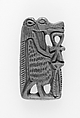
Magical container in the shape of a hippo goddess, Glazed steatite
ca. 1700–1500 BCE
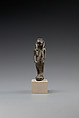
Statue of a goddess, probably Nehemetaway or Nebethetepet, cupreous metal
550–300 B.C.
Goddess Durga Slaying the Demon Mahisha, Schist, Eastern India, Bihar, probably Gaya district
Eastern India, Bihar, probably Gaya district
second half of the 9th century
Bone hairpin, Bone, Greek or Roman
Greek or Roman
ca. 1st century BCE–1st century CE
Ivory hairpin, Ivory, Roman
Roman
ca. 1st century CE
Bone hairpin, Bone, Roman, Cypriot
Roman, Cypriot
1st–2nd century CE
Bone hairpin, Bone, Roman, Cypriot
Roman, Cypriot
1st–2nd century CE
Apotropaic Wand, Hippopotamus ivory
ca. 1981–1640 B.C.
Goddess who bestows riches, probably Sri Lakshmi, Molded terracotta, India, Chandraketugarh, West Bengal
India, Chandraketugarh, West Bengal
1st century BCE
Figurine of hippopotamus, Limestone, paint
ca. 1981–1640 B.C.
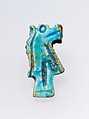
Hippopotamus head figurine, Blue faience
ca. 1981–1640 B.C.
Hippopotamus, Carl Walters  American, Glazed earthenware, American
Carl Walters
1936
Hippopotamus, Faience
ca. 1981–1650 B.C.
Hippopotamus, Faience
ca. 1850–1640 B.C.
Hippopotamus, Faience
ca. 1850–1640 B.C.
Hippopotamus, Faience
ca. 1850–1640 B.C.
Hippopotamus figurine, Faience
ca. 1981–1550 B.C.
The Goddess Durga Slaying the Demon Buffalo Mahisha, Argillite, Bangladesh or India (Bengal)
Bangladesh or India (Bengal)
12th century
Furniture element made from a hippopotamus incisor, Ivory (hippopotamus), Assyrian
Assyrian
ca. 9th–8th century BCE