The Met Fifth Avenue and The Met Cloisters are closed December 25 for Christmas.

Search the collection

Filter By

Object Type / Material
Geographic Location
Department
Date
Show Only:
  • As part of the Met's Open Access policy, you can freely copy, modify and distribute this image, even for commercial purposes.
    APIPublic domain data for this object can also be accessed using the Met's Open Access API
  • Objects with changed or unknown ownership in continental Europe between 1933-1945. Learn more
Showing 3,675 results for serpent
Sort by:
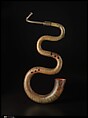
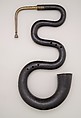
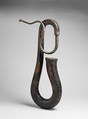
Serpent, C. Baudouin  French, Wood, leather, paint, brass, French
C. Baudouin
ca. 1820
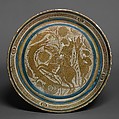
Bowl with a Horseman Spearing a Serpent, Tin-glazed earthenware, Spanish
Spanish
late 1300s or early 1400s
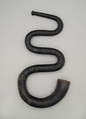
Serpent, Unknown , France, Wood, leather cover, French
Unknown
ca. 1810
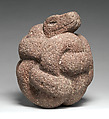
Coiled serpent, Mexica artist(s), Stone, Mexica (Aztec)
Mexica artist(s)
1325–1521 CE
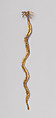
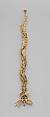
Serpent (Tunjo), Gold, Muisca
Muisca
10th–16th century
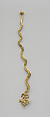
Serpent (tunjo), Gold, Muisca
Muisca
10th–16th century
Serpent (tunjo), Gold, Muisca
Muisca
10th–16th century
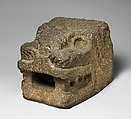
Feathered serpent head, Teotihuacan artist(s), Stone, pigment, Teotihuacan
Teotihuacan artist(s)
100-500 CE
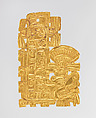
Feathered serpent ornament, Mexica or Mixtec (Ñuu Savi) artists, Gold, Mexica (Aztec)
Mexica or Mixtec (Ñuu Savi) artists
1325–1521 CE
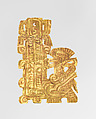
Feathered serpent ornament, Mexica or Mixtec (Ñuu Savi) artists, Gold, Mexica (Aztec)
Mexica or Mixtec (Ñuu Savi) artists
1325-1521
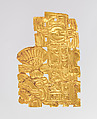
Feathered serpent ornament, Mexica or Mixtec (Ñuu Savi) artists, Gold, Mexica (Aztec)
Mexica or Mixtec (Ñuu Savi) artists
1325–1521
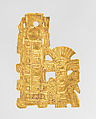
Feathered serpent ornament, Mexica or Mixtec (Ñuu Savi) artists, Gold, Mexica (Aztec)
Mexica or Mixtec (Ñuu Savi) artists
1325–1521
Nagaraja (Serpent King), Stone, India (Madhya Pradesh)
India (Madhya Pradesh)
ca. second quarter of the 5th century
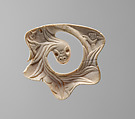
Feathered serpent pendant, Mexica artist(s), Shell, Mexica (Aztec)
Mexica artist(s)
1325–1521 CE
Standing Nagaraja (Serpent King), Red sandstone, India (Uttar Pradesh or Madhya Pradesh)
India (Uttar Pradesh or Madhya Pradesh)
ca. mid- 5th century
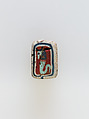
Cane, cow-headed serpent, Glass
100 BC–100 AD
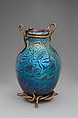
Vase with serpent mounts, Tiffany Furnaces  American, Blown Favrile glass; silver gilt mounts, American, Russian
Multiple artists/makers
Glass: 1897–99, Mounts: 1899–1904
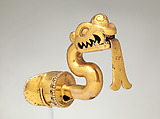
Serpent labret with articulated tongue, Mexica artist(s), Gold, Mexica
Mexica artist(s)
1325–1521 CE
Standing Balarama or Nagaraja (Serpent King), Red sandstone, India (Uttar Pradesh or Madhya Pradesh)
India (Uttar Pradesh or Madhya Pradesh)
ca. mid-5th century
Rattle with a Coiled Serpent, Bronze, Indonesia (Java)
Indonesia (Java)
ca. 13th–14th century
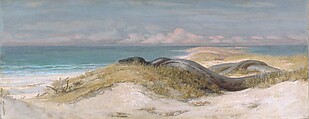
Lair of the Sea Serpent, Elihu Vedder  American, Oil on canvas, American
Elihu Vedder
ca. 1899
Serpent, John Yang  American, Gelatin silver print
John Yang
1984
Serpent, Wood, leather, possibly Italian
possibly Italian
17th century (?)
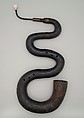
Serpent, Metal, leather, French
French
ca. 1810
Serpent, Leopoldo Franciolini  Italian, Wood, leather, brass, ivory, Italian
Leopoldo Franciolini
18th century (?)
Nagini (Serpent Queen or Consort of Nagaraja), Stone, India (Madhya Pradesh)
India (Madhya Pradesh)
second quarter of the 5th century
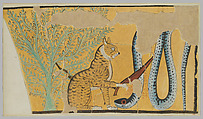
Wall painting of a cat killing a serpent, Charles K. Wilkinson, Tempera on paper
Charles K. Wilkinson
1920–1921; original ca. 1295–1213 BCE
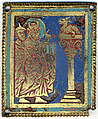
Plaque with Moses, Aaron, and the Brazen Serpent, Champlevé enamel, copper alloy, gilt, German
German
ca. 1200
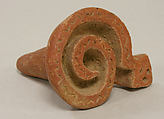
Serpent Stamp, Ceramic, Atlantic Watershed
Atlantic Watershed
1st–7th century
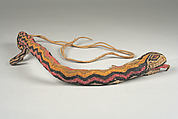
Serpent ornament, Cotton, camelid hair, Inca (?)
Inca (?)
1450–1532 CE
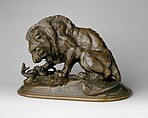
Lion and Serpent (Lion au Serpent), Antoine-Louis Barye  French, Bronze, wood base, French
Antoine-Louis Barye
modeled 1832, executed probably 1847 or 1848
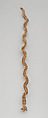
Serpent (tunjo), Gold, Muisca
Muisca
10th–16th century
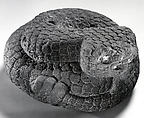
Coiled Serpent, Stone, pigment, Mexica (Aztec)
Mexica (Aztec)
15th–early 16th century
Coiled Serpent, Stone, pigment, Mexica (Aztec)
Mexica (Aztec)
15th–16th century
ca. 1295–1070 B.C.
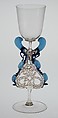
Goblet, Colorless (yellowish), transparent turquoise blue, and opaque brick red, yellow, and white nonlead glass.  Blown, trailed, pincered, "vetro a retorti"., Façon de Venise, probably south Lowlands or Germany
Façon de Venise, probably south Lowlands or Germany
17th century
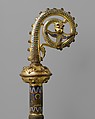
Head of a Crozier with a Serpent Devouring a Flower, Copper: formed, engraved, chased, scraped, stippled, and gilt; champlevé enamel: medium and light blue, light green, yellow, red, and white; glass cabochons, French
French
ca. 1200–1220
Winged serpent with the cartouches of Ramesses III, Faience
ca. 1184–1153 B.C.
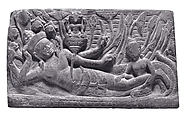
Vishnu Resting on the Serpent Shesha (Vishnu Anantashayin), Stone, Cambodia
Cambodia
ca. 921–45
Upright Serpent in D, Brass, paint, Italian
Italian
ca. 1810–20