Der Tempel von Dendur ist von Sonntag, dem 26. April, bis Freitag, dem 8. Mai, geschlossen. Das Met Fifth Avenue ist am Montag, dem 4. Mai, geschlossen.

Planen Sie Ihren Besuch
Wir arbeiten daran, diese Seite so schnell wie möglich zu übersetzen. Vielen Dank für Ihr Verständnis.

Thomas Struth on Chinese Buddhist Sculpture

This episode is part of The Artist Project, a series in which artists respond to works of art in The Met collection.
It seems to be much easier to identify with this moment of stillness than with Jesus on the cross.

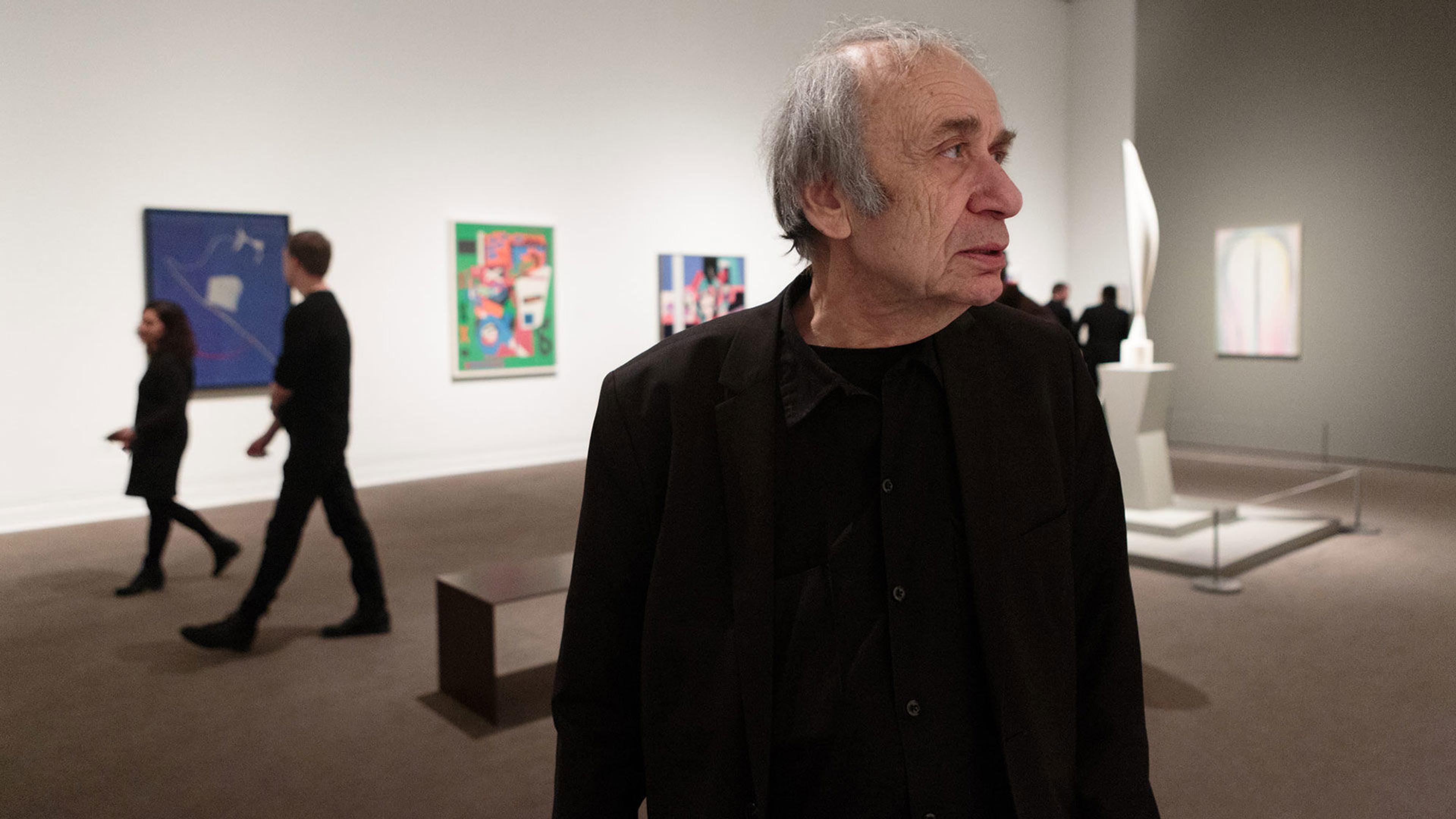
I'm Thomas Struth. I'm a photographer.

Manhattan is so much like a city of dreams—the dreams that people had present in the architecture of the city. To find a silent place in this city is not so easy. And I find that Gallery 208 is like an oasis in the museum because it's a space of silence. You maybe come to terms with your observations.

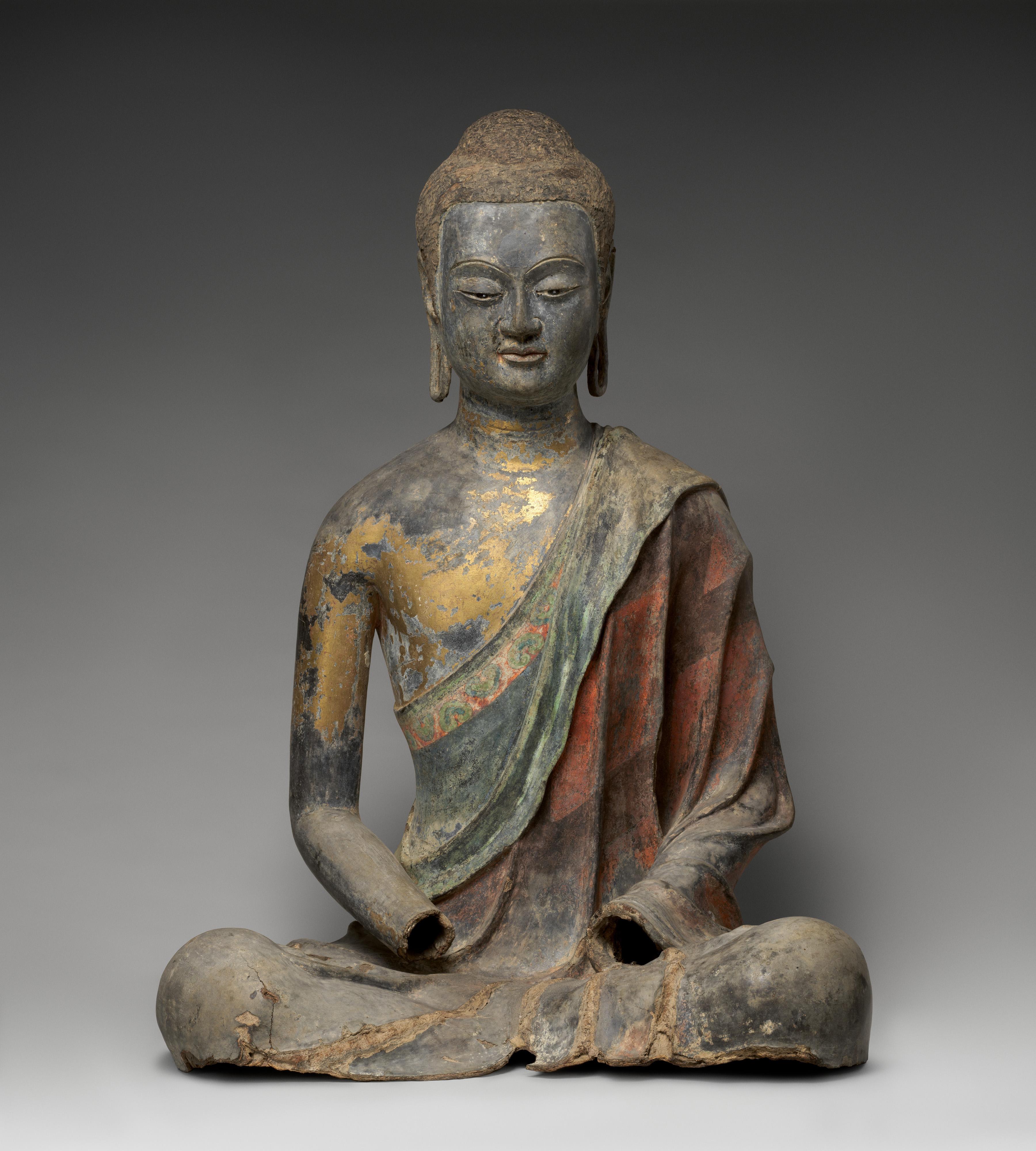
It's a little bit like a typology of Chinese Buddhist sculpture. The way the pieces are installed is quite minimalist—these five pieces on either side—and you see them in perspective, lined up, facing the space. That's super beautiful.

I grew up as a Christian. I'm not a believer anymore, but I'm still attracted to spirituality. It seems to be much easier to identify with this moment of stillness than with Jesus on the cross. It has a lot to do with the gaze: the eyelids are half open, a little bit down. The figure is both looking outside but also looking inside.

It's interesting to see how differently they are dealt with, to read what the sculptor wanted to depict. There's one piece—it's almost like the face of an emperor. It's a little authoritarian. And there's one where the expression is extremely mild and inward. And there's one, which seems to depict a child that smiles and turns it's head around on the side and seems to be playing.

These sculptures are almost life-size and they're old. You could say that you see the human figure, aged and humble. I think I'm interested in this notion of humbleness. Can we afford humbleness these days?

These pieces were certainly made for temples—a sign of meditation. It's also what happens in a museum. You both look at the artwork but also going inside, trying to figure out what does it mean. Can it change my life? Can it transform my opinion or my existence in some small or larger way? Does it clarify anything? But in general today artworks don't have a defined purpose—it's a kind of open field.

Whatever people believe in is debatable. I'm not a Buddhist, but this contemplative space of silence I find—in the times we live in—more attractive and more recommendable. It's an extremely beautiful gallery.

Contributors

Thomas Struth, born in 1954, is a German photographer.


Vito Acconci on Gerrit Rietveld's "Zig Zag Stoel"
Video
Artist Vito Acconci reflects on Gerrit Rietveld's Zig Zag Stoel in this episode of The Artist Project.
September 16, 2015
Artist Wenda Gu stands in front of Robert Motherwell's "Lyric Suite."
Video
Artist Wenda Gu reflects on Robert Motherwell's Lyric Suite in this episode of The Artist Project.
September 16, 2015
Adam Fuss on a marble grave stele of a little girl
Video
Photographer Adam Fuss reflects on a marble grave stele of a little girl in this episode of The Artist Project.
December 7, 2015

A slider containing 10 items.
Press the down key to skip to the last item.
Bodhisattva, Wood (foxglove) with traces of pigment and gilding; single woodblock construction, China
China
11th–12th century
Buddha, probably Amitabha
, Dry lacquer with polychrome pigment and gilding, China
China
early 7th century
Bodhisattva Manjushri (Wenshu), Wood (foxglove) with traces of pigment; single woodblock construction, China
China
late 10th–early 12th century
Attendant Bodhisattva, Wood (foxglove) with traces of  pigment; single-woodblock construction, China
China
10th–11th century
Bodhisattva Avalokiteshvara in Water Moon Form (Shuiyue Guanyin)

, Wood (willow) with gesso and traces of pigment, China
China
dated 1385
Attendant Bodhisattva, Wood (willow) with gesso and pigment; single woodblock construction, China
China
10th–11th century
Bodhisattva Avalokiteshvara in Water Moon Form (Shuiyue Guanyin), Wood (willow) with traces of pigment; multiple-woodblock construction, China
China
11th century
Pilgrim Sudhana (Shancai tongzi), Wood (linden) with pigment; single woodblock construction, China
China
late 15th–early 17th century
Buddha Maitreya (Mile), Gilt bronze with traces of pigment; piece-mold cast, China
China
dated 486 (10th year of Taihe reign)
Bodhisattva Avalokiteshvara of the Lion's Roar, or Simhanada Avalokiteshvara (Shi Hou Guanyin), Wood (poplar) with pigment; single-woodblock construction, China
China
late 15th–early 17th century