Divinité
Artwork Details
- Titre: Divinité
- Date: Xe siècle–début XIe siècle
- Aire géographique: République Dominicaine (?)
- Culture: Taïno
- Technique: Bois de fer et coquillages
- Dimensions: H. 68,5 cm
- Crédits: The Michael C. Rockefeller Memorial Collection, legs de Nelson A. Rockefeller, 1979
- Accession Number: 1979.206.380
- Curatorial Department: The Michael C. Rockefeller Wing
Audio
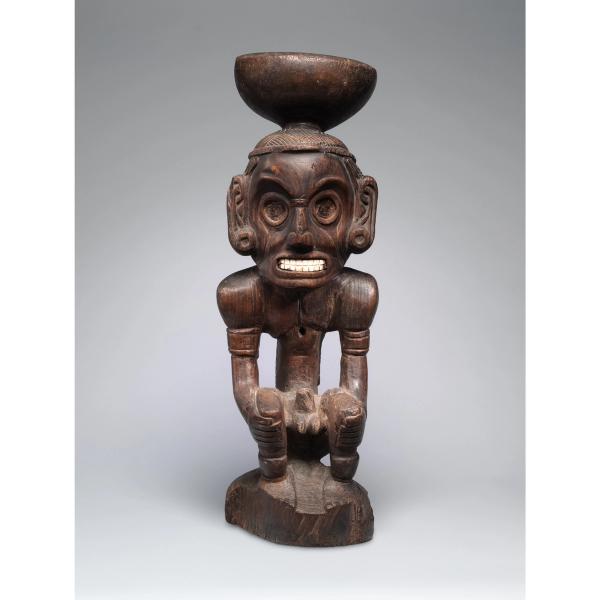
1612. Zemí cohoba stand, Taíno artist(s)
Lawrence Waldron
LAWRENCE WALDRON: A idol is an object that has a God living inside of it and nowhere else. Not like in many world religions where the God comes to dwell temporarily in the objects like the Internet comes to dwell temporarily in your iPhone.
I'm Lawrence Waldron. I teach art history at CUNY Queens College in the most diverse borough in the most diverse city.
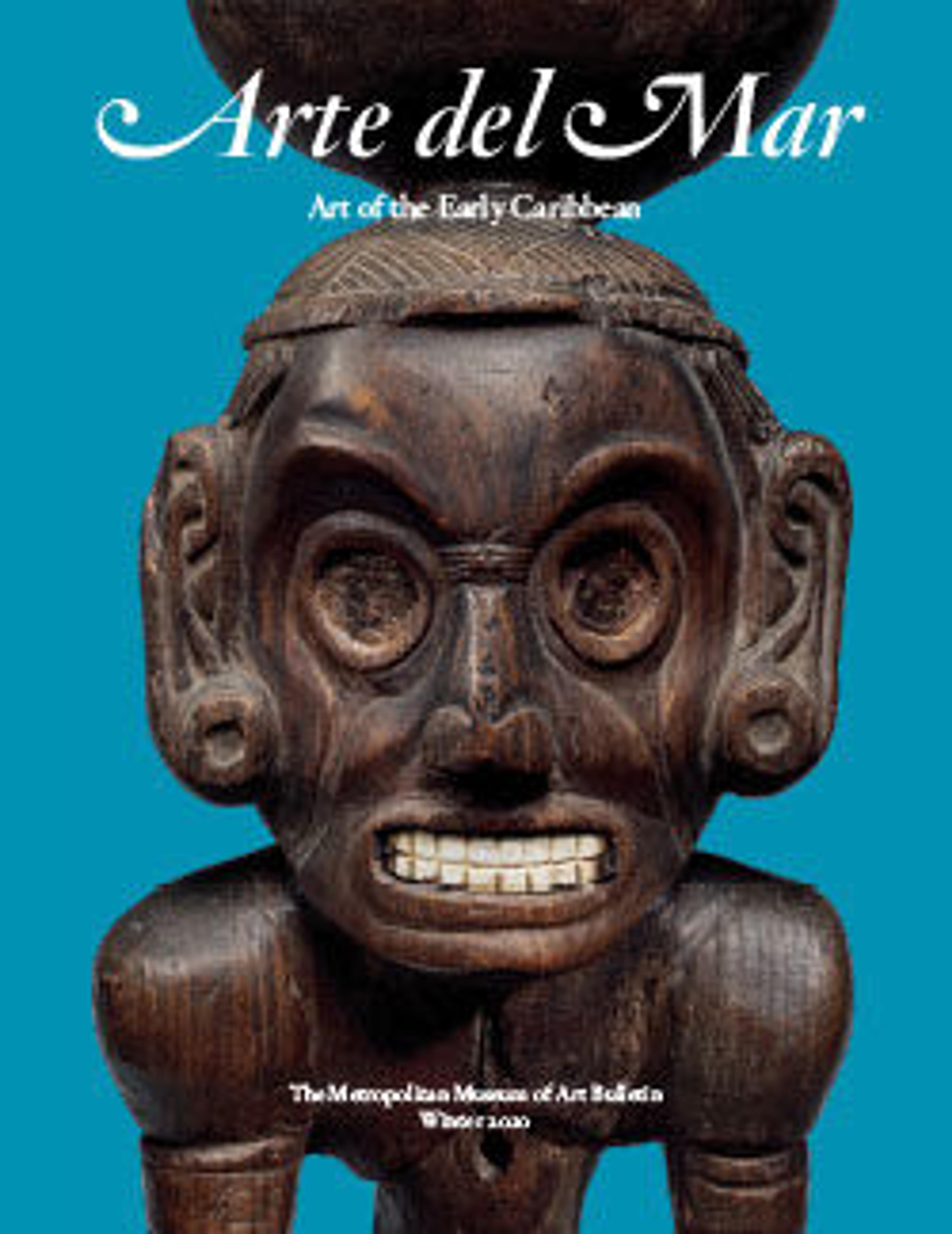
JOSÉ MARÍA YAZPIK (NARRATOR): This expressively carved wooden figure is a Zemí, or sacred manifestation. It was likely made by a Taino religious specialist, sometimes called a shaman, for use in rituals. These religious specialists were often skilled artists.
LAWRENCE WALDRON: It's been suggested that he's the God of Drought, but because he's crying, he's been identified with the God of Rain, who is often depicted weeping. And yet I describe him as a shaman because he's exhibiting a lot of the behaviors of a shaman who's just taken Cohoba.
JOSÉ MARÍA YAZPIK: The zemí’s crown-like platform was used for preparing the Cohoba, a hallucinogenic substance used in rituals.
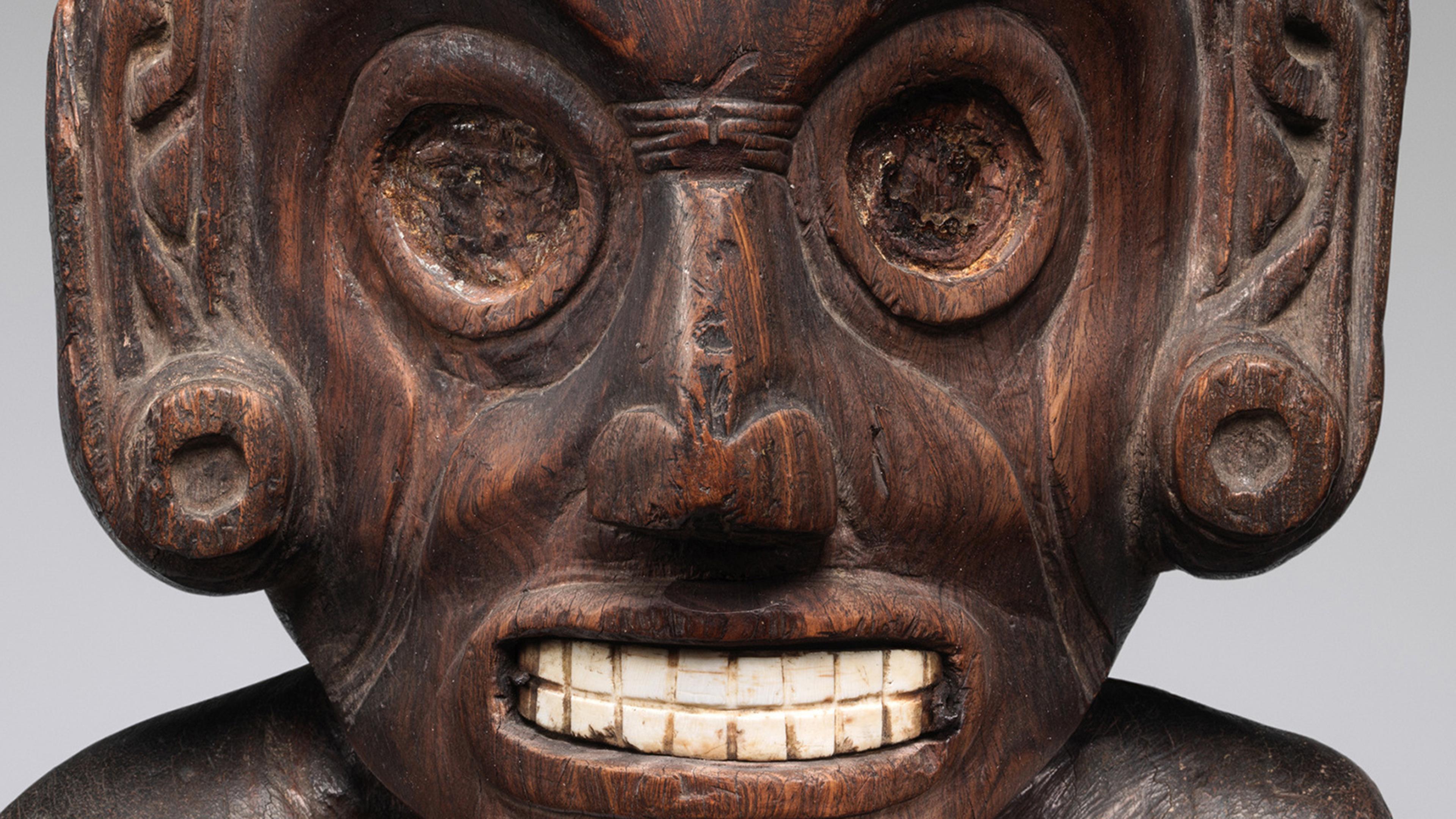
LAWRENCE WALDRON: Under this crown is a squatting figure. He's very thin, but he has these broad bulging shoulders. The shaman gnashes his teeth as the Cohoba takes effect and his eyes are streaming tears. So, he's got these keyhole designs on his eyes and then they taper into these teardrops running down the side of his face.
I invite visitors to The Met to walk around this object and never just look at it from one angle. If you go around to the back, you'll see how emaciated he is because the Taíno shamans fasted before they administered the Cohoba.
If you see the hollows of his hips because he's so emaciated and the ribs and the notches in his spine, that's a lot of work that they put in there. And it's not necessarily that they put it in there for a viewer at a museum to see it, but they put it in to add meaning. So, look for the meaning.
Listen to more about this artwork
More Artwork
Related Content

 Free to download
Research Resources
The Met provides unparalleled resources for research and welcomes an international community of students and scholars. The Met's Open Access API is where creators and researchers can connect to the The Met collection. Open Access data and public domain images are available for unrestricted commercial and noncommercial use without permission or fee.
To request images under copyright and other restrictions, please use this Image Request form.
Feedback
We continue to research and examine historical and cultural context for objects in The Met collection. If you have comments or questions about this object record, please contact us using the form below. The Museum looks forward to receiving your comments.
Content Notice
The Metropolitan Museum of Art presents over 5,000 years of art from around the world, and our online collection reflects ongoing work conducted over the course of our more than 150-year history. You may encounter objects or images that may be inappropriate for some viewers or information that may be outdated.