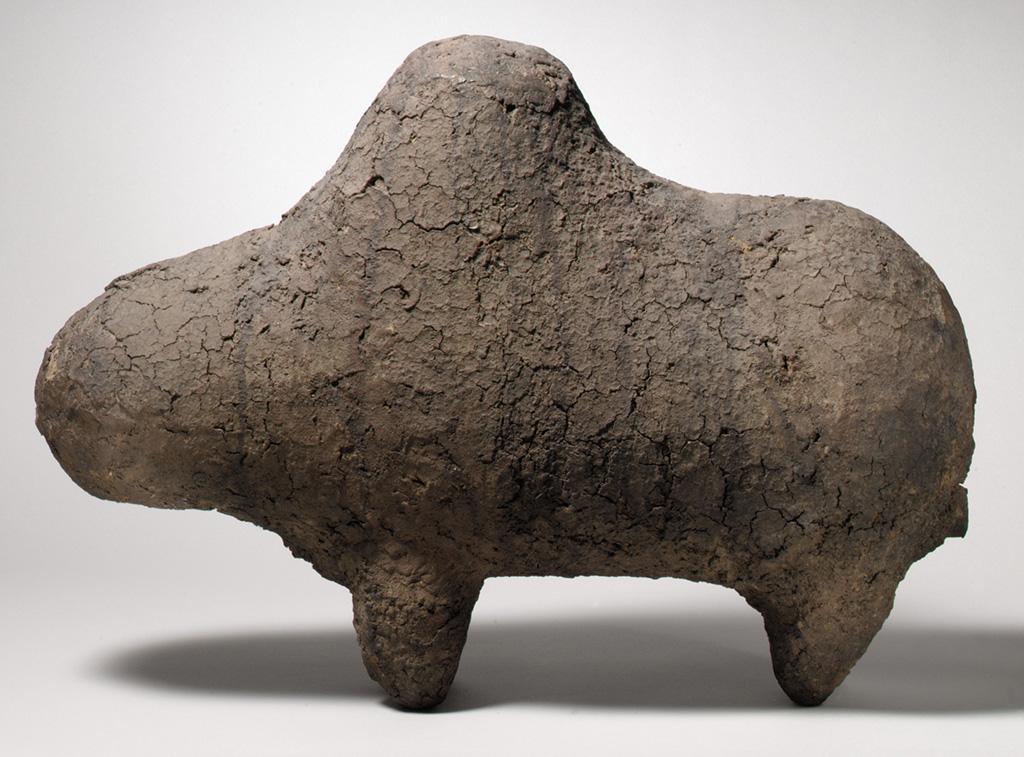
Boli (power object), early 20th century. Bamana Initiate artist, Komo association. Central Mali. Wood, applied organic materials 14 1/4 × 7 1/4 × 20 1/2 in. (36.2 × 18.4 × 52.1 cm). The Metropolitan Museum of Art, New York, The Michael C. Rockefeller Memorial Collection, Bequest of Nelson A. Rockefeller, 1979 (1979.206.175)
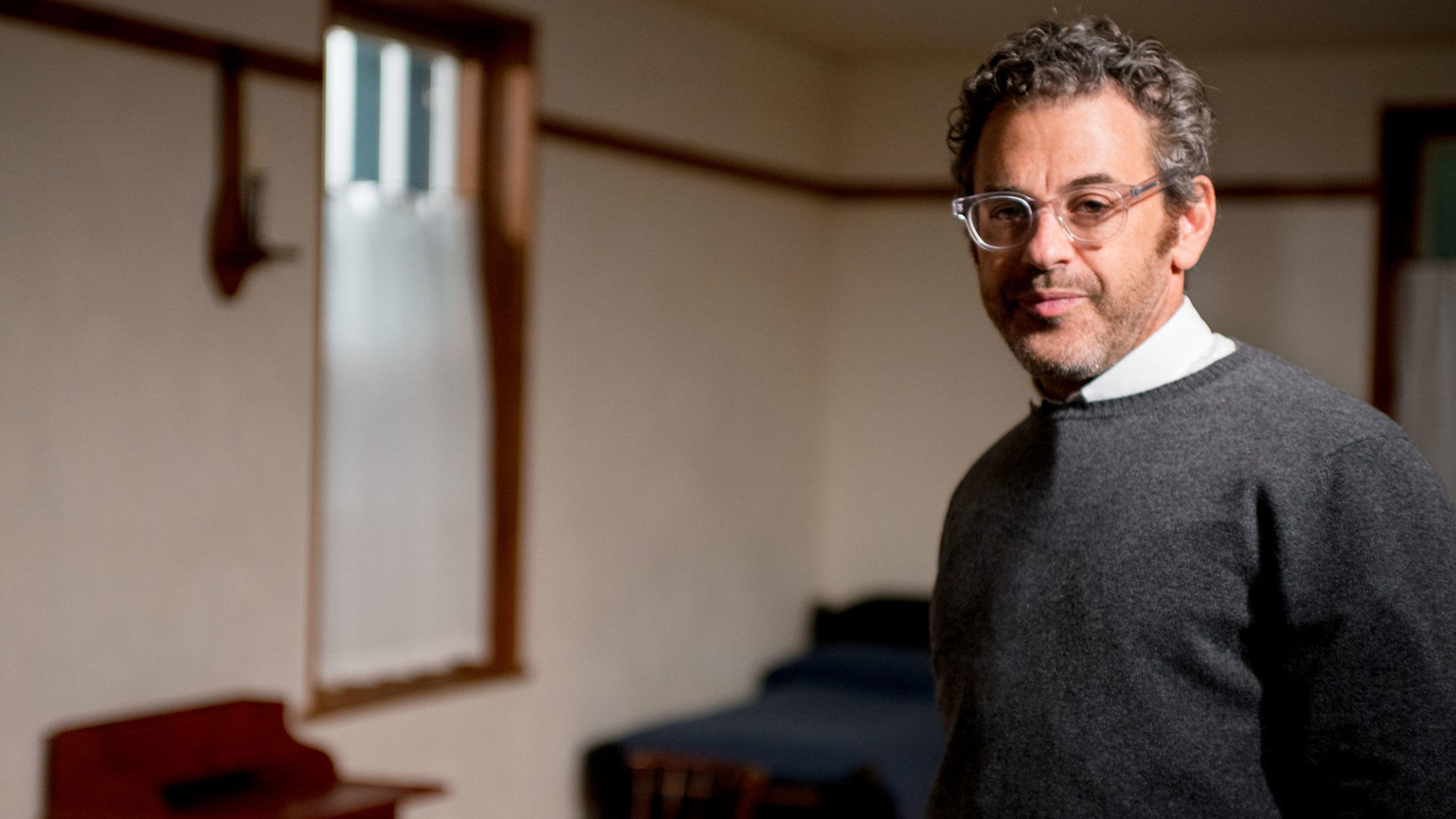
I'm Nayland Blake and I'm a sculptor.
There are so many things that are visually much louder or approach me more readily, but this is the object that I feel like I've learned the most from. So much of its meaning as a sculpture is bound up, not in what you can see on the outside, but what it contains within. And that was an immensely exciting idea to me: that sculptures could have secret places.
It's used by the Bamana people of Mali and only seen at certain times by people who have gained the right to be able to encounter it.
They have a structure inside of them that is much like a digestive track. Water is poured through them and the other end is drunk. Maybe a great way to think about it is less as a sculpture and more as an instrument. They are performed. When it's in use, people pour blood and other materials over it; its final shape is sort of all of this encrusted material.
In a number of ways it's a real challenge to the sort of conventions around art that have built up in the West. I think we're very used to the idea that you have a flash of inspiration and then you're done. That's not necessarily the way that it happens. This sculpture is made in the same way that a snowdrift is. It finds its final shape as a result of many forces acting independently.
In the West we are feeling a sense of alienation and a sense of a disconnectedness from contemporary art, because it is so disconnected from a particular place and from a particular time.
This object is a thing that a community makes. It carries with it this resonance that comes from all of the stuff that people gave up in order to make that form. That, as an idea, has its own power. As you look at this, ask yourself the question: what do I think is powerful that I hide? What do I overlook? It's what's on the inside that counts. And that's a rare experience. It's about more of a sustained relationship.