Search the collection

Filter By

Object Type / Material
Geographic Location
Department
Date
Show Only:
  • As part of the Met's Open Access policy, you can freely copy, modify and distribute this image, even for commercial purposes.
    APIPublic domain data for this object can also be accessed using the Met's Open Access API
  • Objects with changed or unknown ownership in continental Europe between 1933-1945. Learn more
More than 10,000 results for heian-period
Sort by:
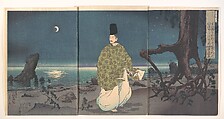
Heian Period Courtier on a Moonlit Beach, Kobayashi Kiyochika  Japanese, Triptych of woodblock prints; ink and color on paper, Japan
Kobayashi Kiyochika
19th century
Dish in Shape of Japanese Court Woman

, Porcelain decorated with colored enamels over transparent glaze (Hizen ware; Imari type), Japan
Japan
ca. 1780
Helmet Bowl (<i>Hoshi-Kabutobachi</i>), Steel, Japanese
Japanese
12th–13th century
Incense Box (Kōgō) with Cartwheels Submerged in Water, Lacquered wood with gold togidashimaki-e and hiramaki-e on nashiji (“pear-skin” ground), Japan
Japan
15th century
Battle of Awazugahara, Utagawa Kunisada  Japanese, Triptych of woodblock prints; ink and color on paper, Japan
Utagawa Kunisada
mid-19th century
Dish with Design of Court Lady by the Gate of a Shinto Shrine

, Porcelain with underglaze blue, overglaze enamels, and gold (Hizen ware, Arita type), Japan
Japan
1650–60s
Thirty-Six Poets, Chōbunsai Eishi  Japanese, Woodblock printed album; ink and color on paper, Japan
Chōbunsai Eishi
ca. 1795
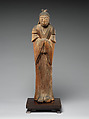
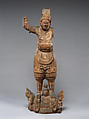
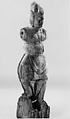
Male and Female Shinto Deities, Japanese cypress with traces of color, Japan
Japan
10th century
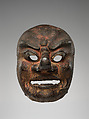
Ko-omote Noh Mask, Cypress wood with white, black, and red pigments, Japan
Japan
18th century
Woman Admiring Plum Blossoms at Night, Suzuki Harunobu 鈴木春信  Japanese, Woodblock print (nishiki-e) with embossing (karazuri); ink and color on paper, Japan
Suzuki Harunobu 鈴木春信
ca. 1766
Chūjō Noh Mask, Genkyu Michinaga  Japanese, Cypress wood with white, black, and red pigments, Japan
Genkyu Michinaga
18th century
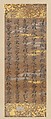
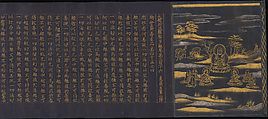
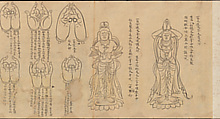
Section of the Flower Ornament Sutra (Kegon-kyō), known as the “Senpukuji Burned Sutra” (Senpukuji yakegyō) 
, Unidentified artist, Section of handscroll mounted as a hanging scroll; ink on pale indigo-dyed paper decorated with flakes of gold leaf, Japan
Unidentified artist
12th century
Pair of Sake Caskets, Wood with coatings of red over black lacquer (Negoro ware), Japan
Japan
16th cantury
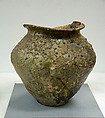
Jar for Sutra Burial (Sankinko)
, Stoneware with natural ash glaze (Tokoname ware), Japan
Japan
early 12th century
Votive Plaque (Kakebotoke), Bronze, Japan
Japan
12th century
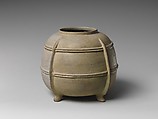
Storage jar, Stoneware with ash glaze (Echizen ware), Japan
Japan
12th century
Genesis, Miyashita Zenji  Japanese, Stoneware with gradated colored clay (saidei), Japan
Miyashita Zenji
2009
Shinto Deity as a Seated Courtier, Wood; single-block (ichiboku-zukuri) construction, with traces of red and black pigment, Japan
Japan
11th–12th century
"Imperial Visit to the Great Horse Race at the Kaya-no-in Mansion"  from the Tale of Flowering Fortunes, Handscroll segment mounted as a hanging scroll; ink and color on paper, Japan
Japan
13th–14th century
Buddhist Priest's Robe (Kesa) with Pattern of Lotus Petals on Water, Brocaded plain weave; silk and metallic thread, Japan
Japan
18th century
One of a Pair of Incense Boxes in the Shape of Dog Charms, Porcelain with overglaze enamels (Minpei kilns), Japan
Japan
ca. 1840
One of a Pair of Incense Boxes in the Shape of Dog Charms, Porcelain with overglaze enamels (Minpei kilns), Japan
Japan
ca. 1840
Hand of a Buddha, Fragment of a wooden sculpture, Japan
Japan
Clothing Tray (Midare-bako) with Paulownia and “Nine Stars” Crests, Lacquered wood with gold, silver hiramaki-e and e-nashiji (“pear-skin picture”) on black ground, Japan
Japan
late 16th century
Heian Wall, Munakata Shikō  Japanese, Hanging scroll; ink on paper, Japan
Munakata Shikō
1967
Portable Stationery and Cosmetic Box (Tabi kushi-bako) with Moon and Autumn Grasses, Lacquered wood with gold and silver togidashimaki-e, hiramaki-e, e-nashiji, and pewter inlay, Japan
Japan
18th century
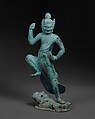
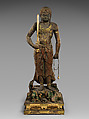
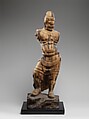
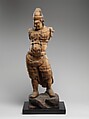
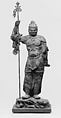
One of the Four Heavenly Kings, Painted wood, ichiboku technique, Japan
Japan
late 11th–early 12th century
The Battle at Ichinotani, from The Tale of the Heike (Heike monogatari), One of a pair of six-panel folding screens; ink, color, gold, and gold leaf on paper, Japan
Japan
17th century
Three Poems from the Later Collection of Japanese Poems (Gosen wakashū), Monk Saigyō  Japanese, Page from a booklet, mounted as hanging scroll; ink on paper, Japan
Monk Saigyō
late 12th century
Noh Costume (Kariginu), Twill-weave silk with supplementary weft patterning, Japan
Japan
first half 19th century
Matching Shells (Kai-awase), “Kisen Hōshi,” from the series Modern Parodies of the Six Poetic Immortals (Yatsushi rokkasen: Kisen Hōshi), Chōbunsai Eishi  Japanese, Polychrome woodblock ōban print; ink and color on paper, Japan
Chōbunsai Eishi
ca. 1796–98
Woman's Overrobe (Uchikake) with Books and Mandarin Orange Branches, Embroidery in silk and metallic thread; appliqué of resist-dyed (shibori) silk fabrics on silk satin damask, Japan
Japan
first half of the 19th century
Incense Burner (Kōro) in the Shape of a Courtier’s Hat with Scrolling Peonies, Porcelain with celadon glaze (Hizen ware, Nabeshima type), Japan
Japan
ca. 1690–1750
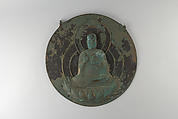
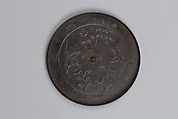
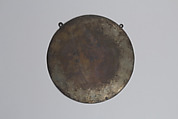
Votive Mirror with Eleven-Headed Kannon

, Gilt bronze, Japan
Japan
12th century
Portraits and Poems of the Thirty-six Poetic Immortals, Sumiyoshi Gukei  Japanese, Album of thirty-six paintings and thirty-six poems; ink, color and gold on silk and paper, Japan
Sumiyoshi Gukei
1674–92
Scenes and Calligraphic Excerpts from The Tale of Genji, Tosa School  Japanese, Pair of six-panel folding screens; ink, color, and gold on decorated-paper shikishi (poetry cards), Japan
Tosa School
early 17th century
Moon and Autumn Grasses, Tawaraya Sōtatsu  Japanese, Pair of six-panel folding screens; ink, color, silver, and gold flecks on paper, Japan
Tawaraya Sōtatsu
mid- to late 17th century
Bugaku Scroll, Handscroll from set of two; ink, color, and gold on paper, Japan
Japan
17th century
The Battle of Yashima, from The Tale of the Heike (Heike monogatari), Tosa School  Japanese, One of a pair of six-panel folding screens; ink, color, gold, and gold leaf on paper, Japan
Tosa School
17th century
Noh Costume (Nuihaku) with Books and Nandina Branches, Silk embroidery and metallic leaf on silk satin, Japan
Japan
second half of the 18th century