胜利
Artwork Details
- 标题: 胜利
- 艺术家: 奥古斯塔斯·圣-高登斯,美国,1848–1907年
- 创作日期: 1892–1903年,铸造于1914–16年
- 材料: 镀金青铜
- 尺寸: 38 x 91⁄2 x 181⁄2 英寸(96.5 x 24.1 x 47厘米)
- 来源信息: 罗杰斯基金,1917年
- 藏品编号: 17.90.1
- Curatorial Department: The American Wing
Audio
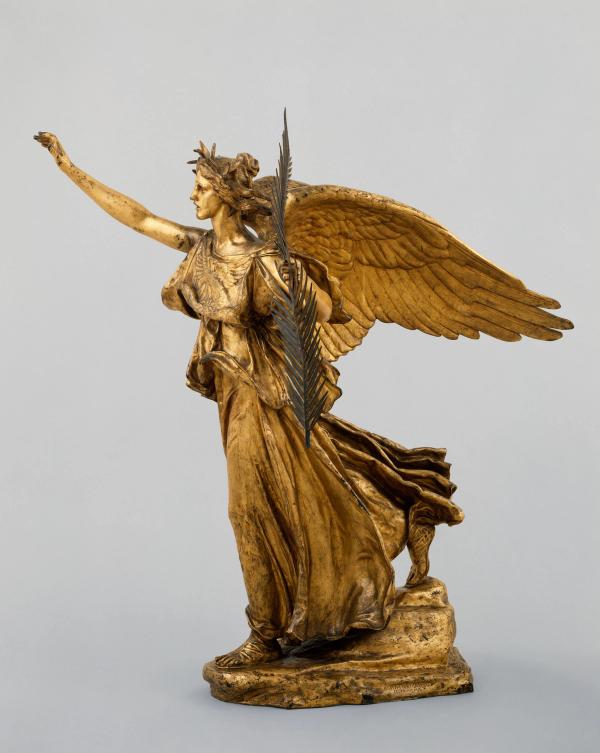
4040. Augustus Saint-Gaudens, Victory, 1892-1903
NARRATOR: This winged figure of Victory is well known in the Met’s collection, but part of its story remained largely untold until recently. Karen Strickland, a genealogist and public historian from Columbia, South Carolina, helped illuminate the identity of the model for this sculpture: a talented and determined Black woman named Hettie Anderson.
KAREN STRICKLAND: I had never heard of Hettie Anderson before when someone asked me to help them with some research.
Hettie lived in Columbia until the late 1800s, and she moved to New York City.
NARRATOR: She worked as a seamstress and was likely a student at the Art Students League. As for many working-class women of her time, Anderson’s perspective remains largely hidden. But the writings of the artists she met and posed for offer valuable insights into her contributions as an artists’ model.
KAREN STRICKLAND: Augustus Saint-Gaudens wrote that she was the most handsome model that he had ever seen. She was breathtaking.
NARRATOR: Strickland also recognizes achievements beyond her appearance.
KAREN STRICKLAND: She had the ability to pose patiently, thoroughly and steadily. Not many people can stand and pose for minutes, let alone hours.
NARRATOR: Saint-Gaudens emphasized his respect for Anderson in a letter to another artist who was working with her, writing “I need her badly.”
KAREN STRICKLAND: That was something that let me know how important Hettie was to various artists. And she was so popular at the time that she could kind of pick and choose who she wanted to work for.
NARRATOR: As her modeling career waned, Anderson began working at The Met as a classroom attendant where, remarkably, she would have passed sculptures like “Victory” on display – the same ones for which she had once so skillfully posed.
This Audio Guide is sponsored by Bloomberg Philanthropies.
More Artwork
Related Content
Perspectives
Articles, audio, and video from The Met's online magazine.
 VideoThe Artist Project | Video
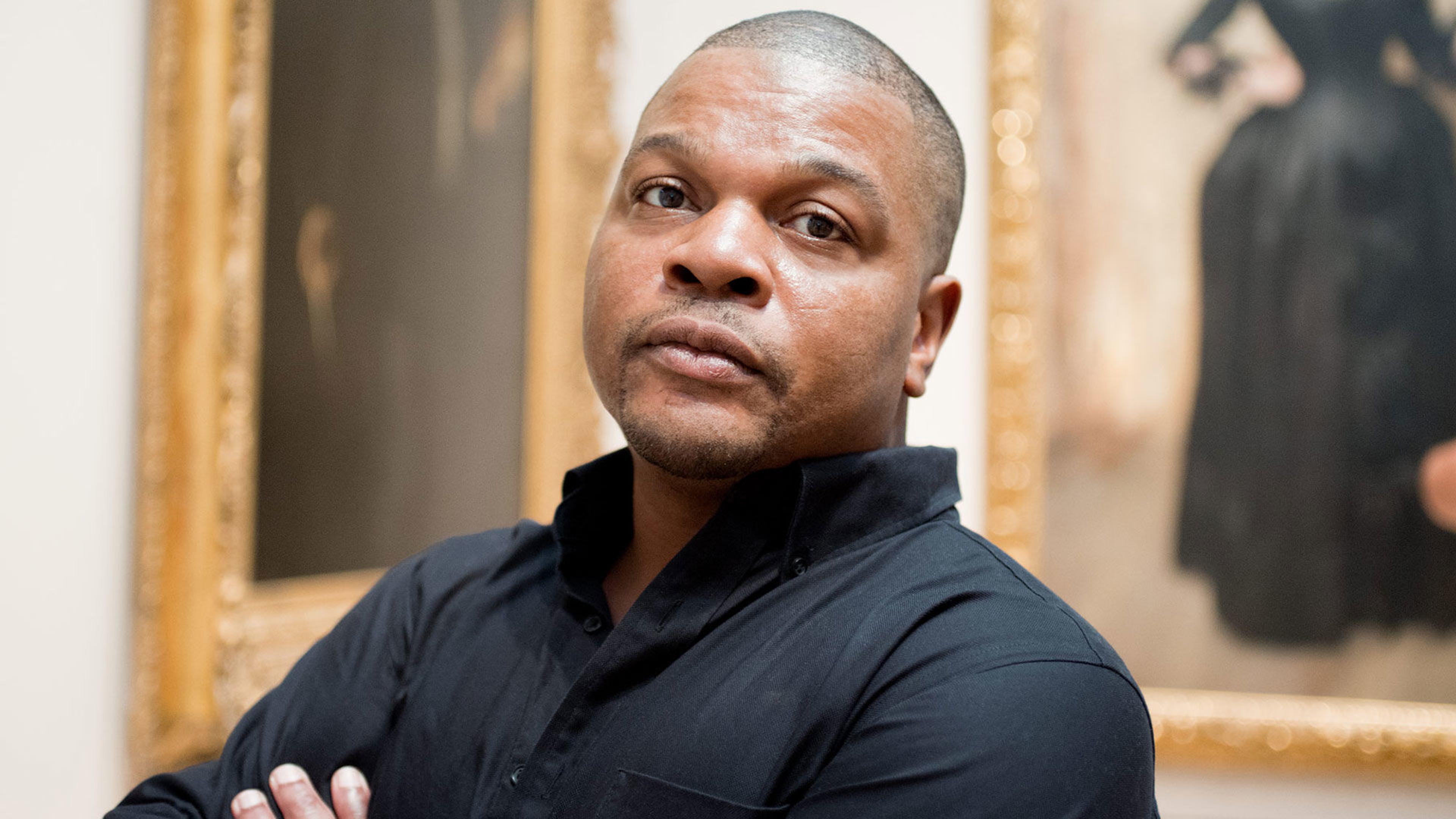
Kehinde Wiley on John Singer Sargent
Timeline of Art History
Entries and chronologies from The Met's art encyclopedia.

Publications
Books, guides, and catalogues published by The Met.
Research Resources
The Met provides unparalleled resources for research and welcomes an international community of students and scholars. The Met's Open Access API is where creators and researchers can connect to the The Met collection. Open Access data and public domain images are available for unrestricted commercial and noncommercial use without permission or fee.
To request images under copyright and other restrictions, please use this Image Request form.
Feedback
We continue to research and examine historical and cultural context for objects in The Met collection. If you have comments or questions about this object record, please contact us using the form below. The Museum looks forward to receiving your comments.
Content Notice
The Metropolitan Museum of Art presents over 5,000 years of art from around the world, and our online collection reflects ongoing work conducted over the course of our more than 150-year history. You may encounter objects or images that may be inappropriate for some viewers or information that may be outdated.