Search the collection

Filter By

Object Type / Material
Geographic Location
Egyptian Art
Date
Show Only:
  • As part of the Met's Open Access policy, you can freely copy, modify and distribute this image, even for commercial purposes.
    APIPublic domain data for this object can also be accessed using the Met's Open Access API
  • Objects with changed or unknown ownership in continental Europe between 1933-1945. Learn more
More than 10,000 results
Sort by:
Cosmetic Box with a Swivel Top, Ivory, Egyptian Blue
ca. 1550–1458 B.C.
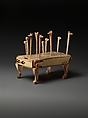
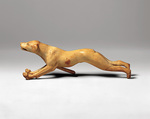
Game of Hounds and Jackals, Ebony, ivory
ca. 1814–1805 B.C.
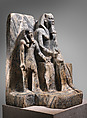
King Sahure Accompanied by a Divine Figure, Gneiss
ca. 2458–2446 B.C.
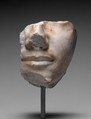
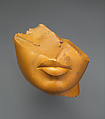
Fragmentary Face of King Khafre, Travertine (Egyptian alabaster)
ca. 2520–2494 B.C.
Inlay of the Horus falcon on the hieroglyph for "gold", Faience
360–343 BCE
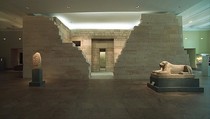
Mastaba Tomb of Perneb, Limestone, paint
ca. 2381–2323 B.C.
Chair of Reniseneb, Wood, ebony, ivory
ca. 1450 B.C.
Head of a goddess, quartzite
ca. 1295–1270 B.C.
Cosmetic Vessel in the Shape of a Cat, Travertine (Egyptian alabaster), copper, quartz crystal, paint
ca. 1990–1900 B.C.
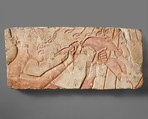
Akhenaten Sacrificing a Duck, Limestone, paint
ca. 1353–1336 B.C.
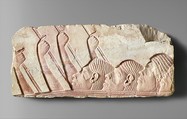
Attendants in a Procession, Limestone, paint
ca. 1353–1336 B.C.
Handle Depicting a Lion Subduing a Nubian, Egyptian blue, gold
ca. 1279–1213 B.C.
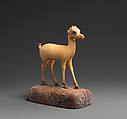
Gazelle, Ivory (elephant), wood, blue-pigment inlay
ca. 1390–1352 B.C.
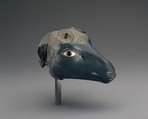
Antelope Head, Greywacke, travertine (Egyptian alabaster), agate
525–404 B.C.
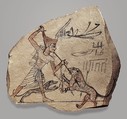
Ostracon with Pharaoh Spearing a Lion and a Royal Hymn on its Back, Limestone, ink
ca. 1186–1070 B.C.
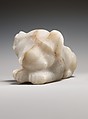
Lion Cub, Quartzite
ca. 3100–2900 BCE
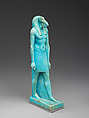
Striding Thoth, Faience
332–30 BCE
Head of Ptolemy II or III, Black bronze
246–222 B.C.
Head of a Hippopotamus, Travertine (Egyptian alabaster) with traces of gesso and red pigment
ca. 1390–1352 B.C.
Male god, Granodiorite
ca. 1390–1352 B.C.
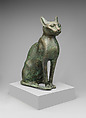
Cat Statuette intended to contain a mummified cat, Leaded bronze
332–30 BCE
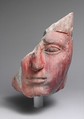
Face of Senwosret III, Red quartzite
ca. 1878–1840 B.C.
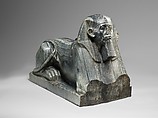
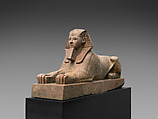
Senwosret III as a Sphinx, Gneiss
ca. 1878–1840 B.C.
Miniature broad collar, Gold, carnelian, turquoise, lapis lazuli
332–246 B.C.
Bes-image of the god Hor-Asha-Khet, Bronze; gold, electrum, auriferous-silver, copper and copper-alloy inlays
4th–2nd century B.C.
Portrait of the Boy Eutyches, Encaustic on wood
A.D. 100–150
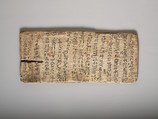
Writing board, Wood, gesso, paint
ca. 1981–1802 B.C.
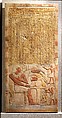
Stela of the Steward Mentuwoser, Limestone, paint
ca. 1944 B.C.
Sphinx of Hatshepsut, Granite, paint
ca. 1479–1458 B.C.
Seated Statue of Hatshepsut, Indurated limestone, paint
ca. 1479–1458 B.C.
Statuette of the Child Amenemhab, Bronze, separate silver lotus, wood base with pigmented inlays
ca. 1550–1479 B.C.
Head from a Statue of King Amenhotep I, Sandstone, paint
ca. 1525–1504 B.C.
Relief of Nebhepetre Mentuhotep II and the Goddess Hathor, Limestone, paint
ca. 2010–2000 B.C.
Standing figure of Amenhotep III, Chlorite schist
ca. 1390–1352 B.C.
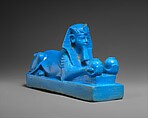
Sphinx of Amenhotep III, possibly from a Model of a Temple, Faience, remains of a travertine (Egyptian alabaster) tenon
ca. 1390–1352 B.C.
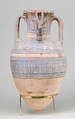
Blue-Painted Ibex Amphora from Malqata, pottery, white cream slip, paint
ca. 1390–1352 B.C.
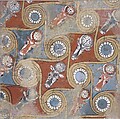
Ceiling painting from the palace of Amenhotep III, Dried Mud, mud plaster, paint, gesso
ca. 1390–1352 B.C.
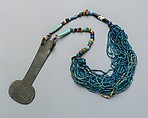
Menat necklace from Malqata, Faience, bronze or copper alloy, glass, agate, carnelian, lapis lazuli, turquoise
ca. 1390–1352 B.C.
Fragment of a Queen's Face, Yellow jasper
ca. 1390–1336 B.C.
Mechanical Dog, Ivory (elephant)
ca. 1390–1352 B.C.