Search the collection

Filter By

Object Type / Material
Geographic Location
Department
Date
Show Only:
  • As part of the Met's Open Access policy, you can freely copy, modify and distribute this image, even for commercial purposes.
    APIPublic domain data for this object can also be accessed using the Met's Open Access API
  • Objects with changed or unknown ownership in continental Europe between 1933-1945. Learn more
Showing 590 results for Yamada Genshō
Sort by:
Yamada Genshō
18th century
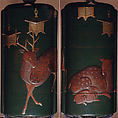
Case (Inrō) with Design of Deer and Lanterns at Kasuga Shrine, Yamada School, Gold and silver maki-e and pewter on dark green lacquer<br/>Ojime: Coral bead<br/>Netsuke: Carved wood in shape of mouse on mushroom, Japan
Yamada School
ca. 1800
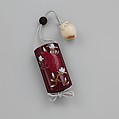
Inrō with Cockatoo and Magnolia, Yamada Jōkasai  Japanese, Red lacquer ground with gold maki-e, carved red lacquer, and mother-of-pearl inlay<br/>Netsuke: poppy; ivory<br/>Ojime: roundels; red and green lacquer in wood, Japan
Yamada Jōkasai
19th century
Monk Ippen Giving a Warrior the Tonsure after His Wife Took Vows as a Lay Buddhist Nun, Yamada Shinzan  Japanese, Pair of hanging scrolls; ink, color, and gold on silk, Japan
Yamada Shinzan
mid-20th century
Black pottery screen (kokutō no sukuriin), Yamada Hikaru  Japanese, Smoke-infused stoneware, Japan
Yamada Hikaru
1982
Fragments with Gold Glaze (Kinsai no tōhen), Yamada Hikaru  Japanese, Gold-glazed stoneware, iron, vinyl line, Japan
Yamada Hikaru
1989
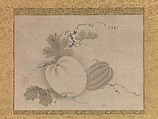
Melons, Yamada Dōan  Japanese, Hanging scroll; ink on paper, Japan
Yamada Dōan
late 16th century
Yamada Hikaru
1976
Yamada Hikaru
1973
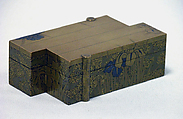
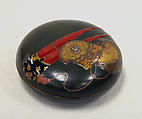
Round Box with Design of Bugaku Dance Hat and Musical Instrument

, Yamada Jōkasai (1681–1704)  Japanese, Lacquer on wood with gold, mother-of-pearl inlay, and colored lacquer, Japan
Yamada Jōkasai (1681–1704)
19th century
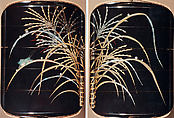
Case (Inrō) with Design of Dewdrops and Insects on Autumn Grasses in Basket, Yamada Jōkasai (1681–1704)  Japanese, Sprinkled gold lacquer with mother-of-pearl, stone, and metal<br/>Ojime: ovoid gold bead decorated with grasses<br/>Netuske: black wood carved as a piece of firewood, Japan
Yamada Jōkasai (1681–1704)
19th century
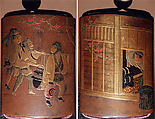
Case (Inrō) with Design of a Teahouse (obverse) Three Travelers En Route (reverse), Yamada Jōkasai (1681–1704)  Japanese, Lacquer decorated with sprinkled hiramakie lacquer, sprinkled and polished takamakie lacquer relief, and nashiji (pear skin) lacquer; Ojime: ivory and gold lacquer bead; Netsuke: carved wood bird (signed Shuko), Japan
Yamada Jōkasai (1681–1704)
19th century
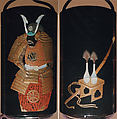
Case (Inrō) with Design of a Suit of Armor (obverse); Flasks for Boys Festival (reverse), Yamada Jōkasai (1681–1704)  Japanese, Gold and colored lacquer with inlaid mother-of-pearl on ro-iro black lacquer; ojime: metal bead inlaid with silver; netsuke: carved ebony inlaid with ivory design of Daruma, Japan
Yamada Jōkasai (1681–1704)
second half of the 19th century
Incense Box (Kogo) with Design of Iris and Bridge (Yatsuhashi), Yamada Jōkasai (1681–1704)  Japanese, Gold-speckled aventurine (nashiji) lacquer with sprinkled and polished design (hiramakie), Japan
Yamada Jōkasai (1681–1704)
19th century
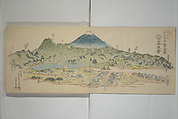
Striking Views of Mount Fuji (Fuyō kikan) 芙蓉奇観, Yamada Sadazane 山田貞実  Japanese, Woodblock printed book (orihon, accordion-style but bound); ink and color on paper, Japan
Yamada Sadazane 山田貞実
Amano Genkai 天野元海
1828
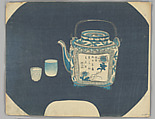
Sometsuke Sencha Teapot and Cups, Yamada Hōgyoku 山田抱玉  Japanese, Blue-colored woodblock print (aizuri-e); ink and color on paper; fan print (uchiwa-e) on horizontal aiban sheet, Japan
Yamada Hōgyoku 山田抱玉
1830s
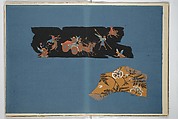
Seiei: A Design Book 精英, Yamada Naosaburō 山田直三郎  Japanese, Woodblock printed book; ink, color, mica, and metallic pigments on paper, Japan
Yamada Naosaburō 山田直三郎
1907
Y. Kamisaka
Yamada Unsōdō
1906
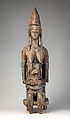
Gwandusu, Bamana numu (blacksmith), Wood (Cordyla africana or Lonchocarpus), applied organic materials, Bamana
Bamana numu (blacksmith)
15th–17th century
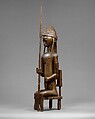
Gwantigi, Bamana numu (blacksmith), Wood, Bamana peoples
Bamana numu (blacksmith)
15th–17th century
Hexagonal flower vase, Hamada Shōji  Japanese, Stoneware with persimmon glaze and polychrome overglaze enamels, Japan
Hamada Shōji
ca. 1960s
Boli (power object), Bamana Initiate, Komo association, Wood, applied organic materials, Bamana
Bamana Initiate, Komo association
Early 20th century
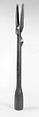
Kòmò trumpet, Wood, Bamana
Bamana
20th century
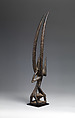
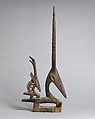
Ci wara headdress, Bamana numu (blacksmith), Wood, metal, Bamana
Bamana numu (blacksmith)
19th century
Print, Hamada Josen  Japanese, Woodblock print; ink and color on paper, Japan
Hamada Josen
ca. 1906
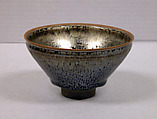
Tea bowl with “oil-spot” and “hare’s-fur” decoration, Kamada Kōji active in Kyoto Japanese, Stoneware with iron-oxide glazes, Japan
Kamada Kōji
2005
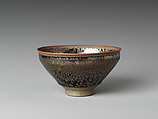
Tea Bowl with “Oil-Spot” Decoration, Kamada Kōji  Japanese, Stoneware with iron-oxide glazes, Japan
Kamada Kōji
2005
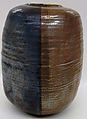
Ovoid Vessel, Kamada Kōji  Japanese, Stoneware with tenmoku glazes in black and brown, Japan
Kamada Kōji
2008
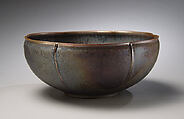
Six-Lobed Deep Bowl, Kamada Kōji  Japanese, Stoneware with tenmoku glaze, Japan
Kamada Kōji
2004
Bottle with sugarcane, Hamada Shōji  Japanese, Stoneware with iron-oxide decoration, Japan
Hamada Shōji
ca. 1960s
Tea Bowl, Hamada Shōji  Japanese, Stoneware
Hamada Shōji
ca. 1935
Mishi (cow) mask, Bamana numu (blacksmith), Wood, Bamana peoples
Bamana numu (blacksmith)
19th–mid-20th century
Suruku koun (hyena) mask, Bamana numu (blacksmith), Wood, cowrie shells, pigment, Bamana peoples
Bamana numu (blacksmith)
19th–mid-20th century
Nama tyétyé (hyena) headdress, Bamana numu (blacksmith), Wood, metal, cane, cotton, Bamana peoples
Bamana numu (blacksmith)
19th–mid-20th century
N’Gonzon koun headdress, Bamana numu (blacksmith), Wood, metal, Bamana peoples
Bamana numu (blacksmith)
19th–mid-20th century
Koni koun headdress, Bamana numu (blacksmith), Wood, cotton, Bamana peoples
Bamana numu (blacksmith)
19th–mid-20th century
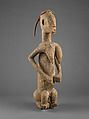
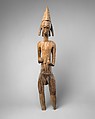
Jomogoni male figure, Bamana numu (blacksmith), Wood, mud, Bamana peoples
Bamana numu (blacksmith)
15th–17th century
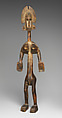
Jomogoni male figure, Bamana numu (blacksmith), Wood, Bamana peoples
Bamana numu (blacksmith)
15th–17th century
Sogoni koun headdress, Bamana numu (blacksmith), Wood, cane, string, bamboo, Bamana peoples
Bamana numu (blacksmith)
19th–early 20th century
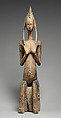
Konomani (little pregnant one), Bamana numu (blacksmith), Wood, Bamana peoples
Bamana numu (blacksmith)
17th–mid-20th century