Search the collection

Filter By

Object Type / Material
Geographic Location
Department
Date
Show Only:
  • As part of the Met's Open Access policy, you can freely copy, modify and distribute this image, even for commercial purposes.
    APIPublic domain data for this object can also be accessed using the Met's Open Access API
  • Objects with changed or unknown ownership in continental Europe between 1933-1945. Learn more
More than 10,000 results for architectural engravings
Sort by:
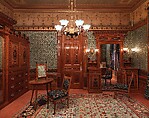
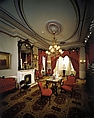
Architectural woodwork and paneling, George A. Schastey & Co.  American, Satinwood, purpleheart, mother-of-pearl, silver-plated brass, mirrored glass, marble, and reproduction upholstery, American
George A. Schastey & Co.
George A. Schastey
1881–82
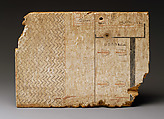
Architectural Drawing of a Garden, Plastered and painted wood
ca. 1550–1295 B.C.
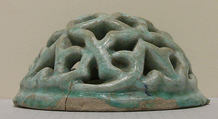
Architectural Boss, Stonepaste; molded, carved, and glazed
13th century
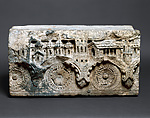
Architectural Frieze, Limestone, French
French
second quarter 12th century
Architectural Elements, Augustus Truesdell  American, Wood, American
Augustus Truesdell
1868–70
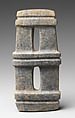
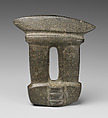
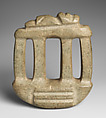
Architectural model, Mezcala artist(s), Stone, Mezcala
Mezcala artist(s)
200 BCE–500 CE
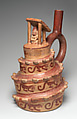
Architectural Vessel, Ceramic, Moche
Moche
400–600 CE
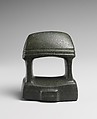
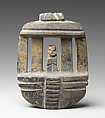
Architectural model, Mezcala artist(s), Greenstone, Mezcala
Mezcala artist(s)
200 BCE–500 CE
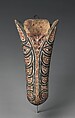
Architectural ornament, Toba Batak artist, Wood, paint, Toba Batak
Toba Batak artist
late 19th–early 20th century
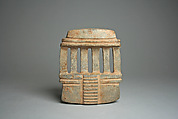
Architectural model, Mezcala artist(s), Stone, Mezcala
Mezcala artist(s)
300 BCE–300 CE
Architectural model, Mezcala artist(s), Stone, Mezcala
Mezcala artist(s)
300 BCE–300 CE
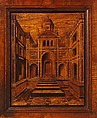
Architectural Capriccio, Francesco Orlandini, Walnut and other woods, Italian, Verona
Francesco Orlandini
1547
Architectural model, Mezcala artist(s), Greenstone, Mezcala
Mezcala artist(s)
200 BCE–500 CE
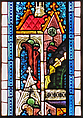
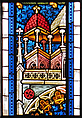
Architectural Canopy, Pot-metal and colorless glass, vitreous paint and silver stain, Austrian
Austrian
ca. 1390
Architectural model, Mezcala artist(s), Greenstone, Mezcala
Mezcala artist(s)
200 BCE–500 CE
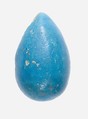
Architectural Inlay, Faience
ca. 1390–1352 B.C.
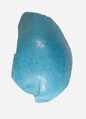
Architectural Inlay, Faience
ca. 1390–1352 B.C.
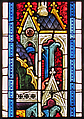
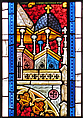
Architectural canopy, Pot-metal and colorless glass, vitreous paint and silver stain, Austrian
Austrian
ca. 1390
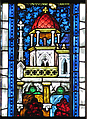
Architectural canopy, Pot-metal and colorless glass, vitreous paint and silver stain, Austrian
Austrian
ca. 1390
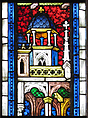
Architectural canopy, Pot-metal and colorless glass, vitreous paint and silver stain, Austrian
Austrian
ca. 1390
Architectural canopy, Pot-metal and colorless glass, vitreous paint and silver stain, Austrian
Austrian
ca. 1390
Architectural canopy, Pot-metal and colorless glass, vitreous paint and silver stain, Austrian
Austrian
ca. 1390
Architectural canopy, Pot-metal and colorless glass, vitreous paint and silver stain, Austrian
Austrian
ca. 1390
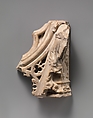
Architectural Fragment, Marble, French
French
ca. 1375–1425
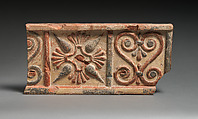
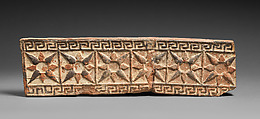
Terracotta architectural tile, Terracotta, Lydian
Lydian
6th century BCE
Terracotta architectural tile, Terracotta, Lydian
Lydian
6th century BCE
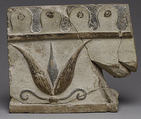
Marble architectural fragment, Marble, Greek
Greek
ca. 421–409 BCE
Terracotta architectural tile, Terracotta, Lydian
Lydian
6th century BCE
Marble architectural fragment, Marble, Greek
Greek
ca. 350 BCE
Marble architectural fragment, Marble, Greek, Attic
Greek, Attic
ca. 421–409 BCE
Singa (architectural ornament), Toba Batak artist, Wood, Toba Batak people
Toba Batak artist
late 19th–early 20th century
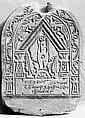
Funerary Stele with Eagle in Architectural Frame, Limestone with red paint; carved
6th–7th century
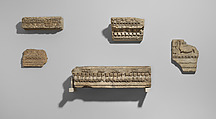
Five marble architectural fragments, Marble, Roman
Roman
ca. 90–92 CE
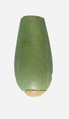
Architectural Ornament: Lotus Bud, Faience
ca. 1390–1352 B.C.
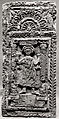
Funerary Stele with Orant Figure in Architectural Frame, Limestone; carved in relief
6th–7th century
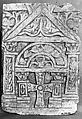
Funerary Stele with Cross at Center in Architectural Frame, Limestone; carved in relief
6th–7th century
Terracotta architectural fragment, Terracotta, Greek?, Attic
Greek?, Attic
6th/5th centuries BCE
Architectural Drawing, Pen and brown ink over black chalk on vellum, French
French
1450–1500
Funerary Stele with Architectural Frame, Limestone; carved in relief and painted
6th–7th century
Architectural Ornament: Bunch of Grapes, Faience
ca. 1390–1352 B.C.