Search the collection

Filter By

Object Type / Material
Geographic Location
Department
Date
Show Only:
  • As part of the Met's Open Access policy, you can freely copy, modify and distribute this image, even for commercial purposes.
    APIPublic domain data for this object can also be accessed using the Met's Open Access API
  • Objects with changed or unknown ownership in continental Europe between 1933-1945. Learn more
More than 10,000 results for stone sculpture
Sort by:
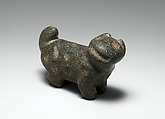
Feline figure, Condorhuasi artist(s), Stone, Condorhuasi
Condorhuasi artist(s)
500 BCE–500 CE
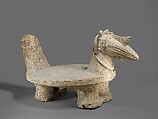
Osa’osa (ritual seat for a noble), Ono Niha artist, Stone, Ono Niha people
Ono Niha artist
19th century
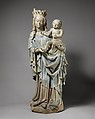
Virgin and Child, Sandstone, polychromy, German
German
ca. 1425–30
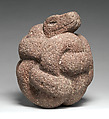
Coiled serpent, Mexica artist(s), Stone, Mexica (Aztec)
Mexica artist(s)
1325–1521 CE
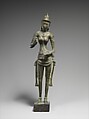
Standing Goddess, Bronze, India (Andhra Pradesh)
India (Andhra Pradesh)
6th–7th century
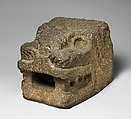
Feathered serpent head, Teotihuacan artist(s), Stone, pigment, Teotihuacan
Teotihuacan artist(s)
100-500 CE
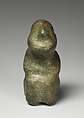
Seated figure, Mezcala artist(s), Stone, Guerrero
Mezcala artist(s)
300 BCE–300 CE
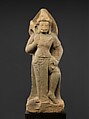
Standing Shiva or Temple Guardian (Dvarapala), Stone, Vietnam (Champa)
Vietnam (Champa)
ca. first half of the 10th century
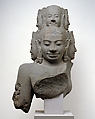
Bust of Hevajra, Stone, Cambodia
Cambodia
late 12th–early 13th century
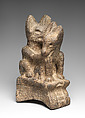
Palma with canines, Classic Veracruz artist(s), Stone, pigment (probably hematite), Classic Veracruz
Classic Veracruz artist(s)
800–1100 CE
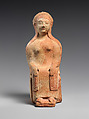
Terracotta statuette of a seated woman, Terracotta, Greek, Rhodian
Greek, Rhodian
early 5th century BCE
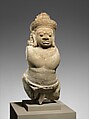
Guardian Deity (Rakshasa), Stone, Cambodia
Cambodia
ca. 921–945
Standing Vishnu as Keshava, Dasoja of Balligrama, Stone, India (Karnataka, probably Belur)
Dasoja of Balligrama
first quarter of the 12th century
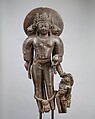
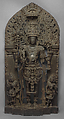
Vaikuntha Vishnu, Stone, India (Jammu & Kashmir, ancient kingdom of Kashmir)
India (Jammu & Kashmir, ancient kingdom of Kashmir)
last quarter of the 8th century
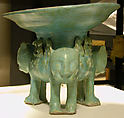
Bowl on a Base of Three Molded Lions, Stonepaste; molded in sections, monochrome glazed
12th–13th century
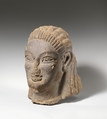
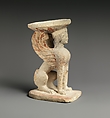
Tufa head of sphinx or siren, Tufa, Etruscan, probably Vulcian
Etruscan, probably Vulcian
ca. 550–525 BCE
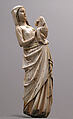
Virgin and Child, Elephant Ivory with paint and gilding, North French
North French
ca. 1250–75
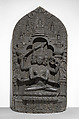
Manjuvajra Mandala, Black stone, Bangladesh or India (Bengal)
Bangladesh or India (Bengal)
11th century
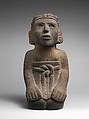
Kneeling female figure, Mexica artist(s), Stone, pigment, Mexica
Mexica artist(s)
1325–1521 CE
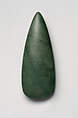
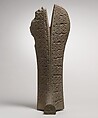
Ceremonial axe, Taíno artist(s), Greenstone, Taíno
Taíno artist(s)
600–1500 CE
Ceremonial axe, Taíno artist(s), Greenstone, Taíno
Taíno artist(s)
600–1500 CE
Ceremonial axe, Taíno artist(s), Greenstone, Taíno
Taíno artist(s)
600–1500 CE
Shiva as Mrityunjaya, the Conquerer of Death, Black stone, Bangladesh or India (Bengal)
Bangladesh or India (Bengal)
12th century
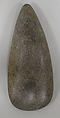
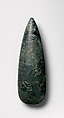
Stone Celt, Stone, Taíno
Taíno
before 16th century
Stone Celt, Stone, Taíno
Taíno
before 16th century
Stone Celt, Stone, Taíno
Taíno
before 16th century
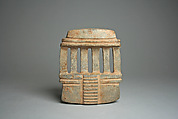
Architectural model, Mezcala artist(s), Stone, Mezcala
Mezcala artist(s)
300 BCE–300 CE
Architectural model, Mezcala artist(s), Stone, Mezcala
Mezcala artist(s)
300 BCE–300 CE
Architectural model, Mezcala artist(s), Stone, Mezcala
Mezcala artist(s)
200 BCE–500 CE
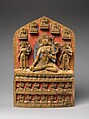
Twenty-One Emanations of the Goddess Tara, Stone with polychrome, Tibet
Tibet
14th century
Palma with textile motif, Classic Veracruz artist(s), Stone, pigment, Veracruz
Classic Veracruz artist(s)
800–1100 CE
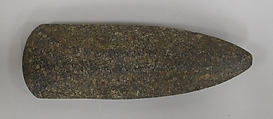
Stone Celt, Stone, Costa Rica
Costa Rica
before 16th century
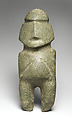
Standing figure, Mezcala artist(s), Greenstone, Mezcala
Mezcala artist(s)
300 BCE–300 CE
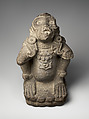
Spider monkey wearing wind god regalia, Mexica artist(s), Stone, Mexica (Aztec)
Mexica artist(s)
1325–1521 CE
Limestone thymiaterion (incense burner), Limestone, Cypriot
Cypriot
2nd quarter of 5th century BCE
Mogollon
700–1200 CE
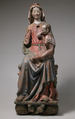
Enthroned Virgin and Child, Oak, with paint, German
German
ca. 1280
Ring Stone, Stone, India
India
ca. 1st–2nd century BCE
Axe, Stone, Taíno
Taíno
10th–15th century
Sculpture in the shape of two figures (suplicante), Alamito artist(s), Stone, Alamito
Alamito artist(s)
500 BCE–500 CE