MetPublications
Showing 1–10 results of 10
Sort by:
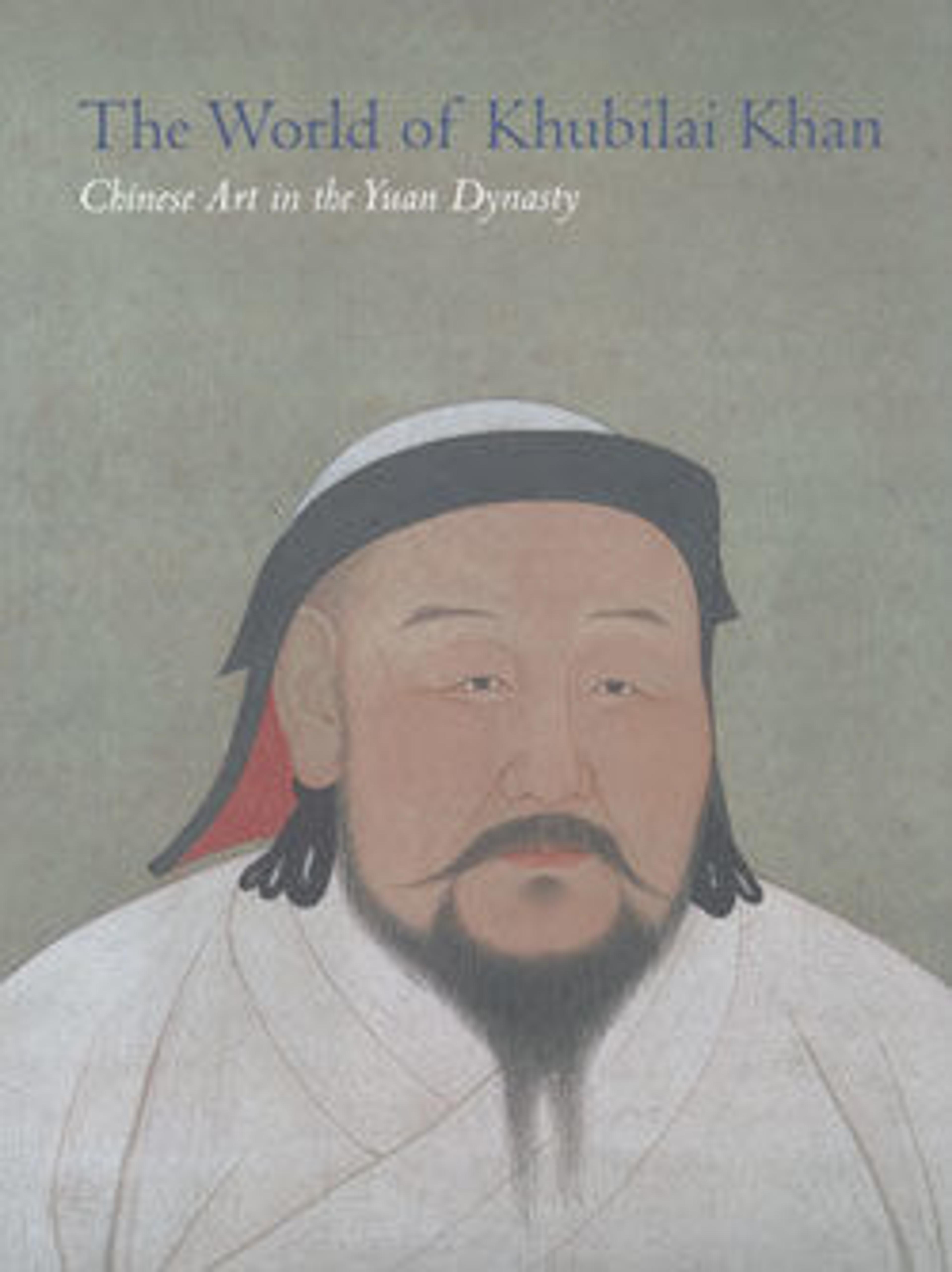 In 1215, the year Khubilai Khan (1215–1294) was born, the Mongols made their first major incursion into North China, initiating a period of innovation in the arts that had its greatest flowering in the Yuan dynasty, founded by Khubilai in 1271 and lasting until 1568. The creativity unleashed during this period of approximately 150 years was instigated by the confluence of the many cultures and ethnic groups that were brought together in a unified empire in China, which for centuries past had been politically divided. Skilled craftsmen from all over Central and Western Asia were relocated to workshops in North China, where they worked alongside Chinese artists, exchanging ideas and styles. This interaction eventually resulted in the creation of new art forms that would provide models for the arts of China in all subsequent periods until the twentieth century. The World of Khubilai Khan: Chinese Art in the Yuan Dynasty, which accompanies a groundbreaking exhibition at The Metropolitan Museum of Art, is an in-depth discussion of the art and culture produced during this time, tracing the origins of the new art forms and exploring daily life in Yuan China, in particular at the imperial court and in the capital cities of Xanadu (present-day Shangdu) and Dadu (Beijing), and the impact on the arts of Buddhism, Daoism, Christianity, Manichacism, Hinduism, and Islam. The works of art and the archaeological finds on which the ten essays included in this volume are based are drawn principally from museums in China, with additional loans from museums in Taiwan, Japan, Russia, Europe, the United Kingdom, Canada, and the United States. The exhibition and catalogue, conceived and organized by James C. Y. Watt, Brooke Russell Astor Chairman of the Department of Asian Art at the Metropolitan Museum, illuminate our understanding of both the arts and the material culture of this period, telling the story of the emergence of a new Chinese art in a way that it has never before been told.
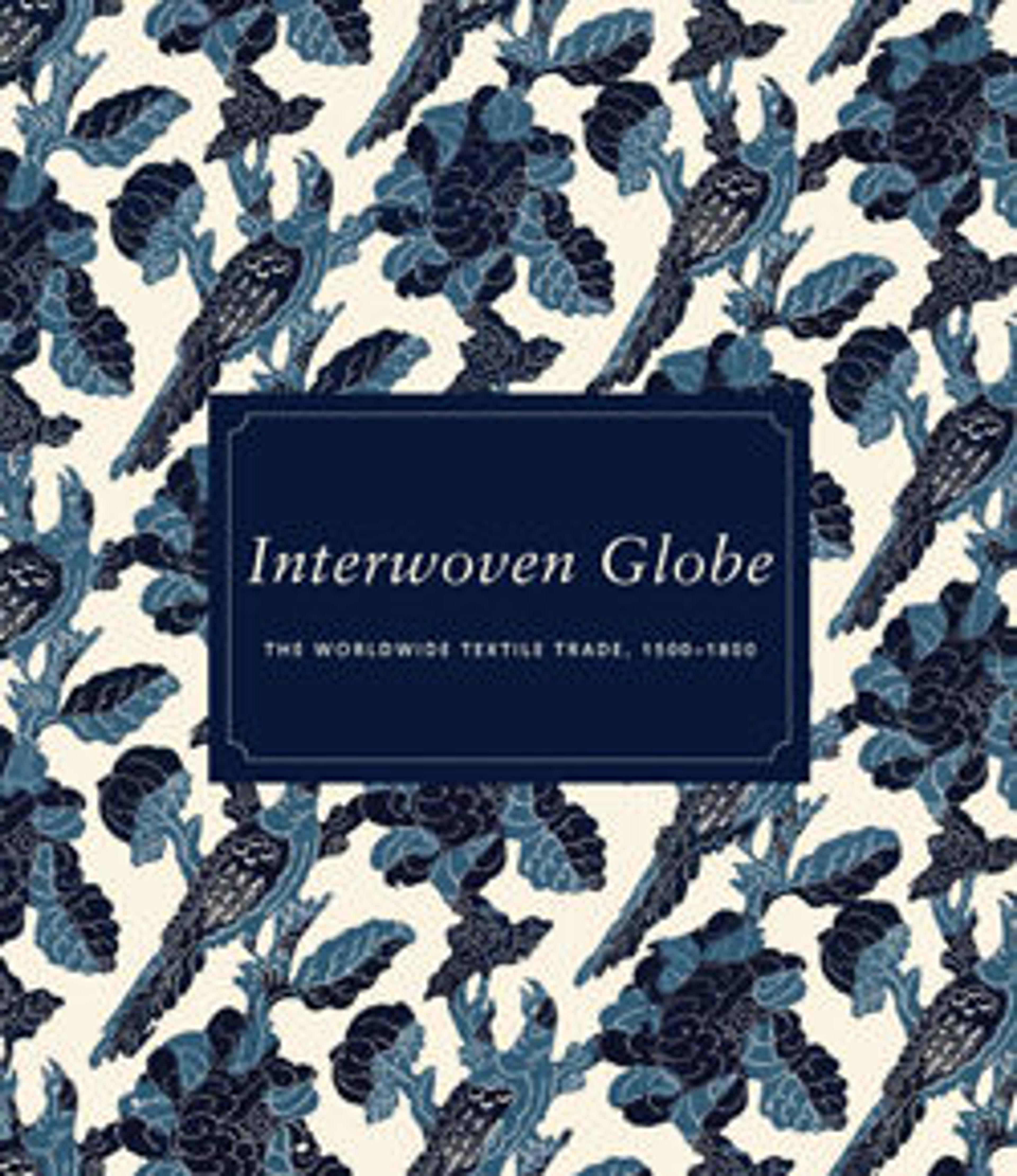 The golden age of European navigation engendered a flourishing textile trade, causing a breathtaking variety of textile designs to travel across the globe. These textiles blended the traditional designs, skills, and tastes of the cultures that produced them with those of their destinations, resulting in objects that are both intrinsically beautiful and historically intriguing. While previous studies have focused on this story from the viewpoint of trade, Interwoven Globe is the first book to investigate it as a history of design—and to approach it from a universal perspective. Richly illustrated texts examine the interrelationship of textiles, commerce, and taste from the Age of Discovery to the 19th century, providing detailed discussions of more than 120 works. From India with its renowned mastery of dyed-and-painted cotton to the sumptuous silks of Japan and China, Turkey, and Iran, the paths of influence are traced westward to Europe and the Americas. Shaped by an emerging worldwide visual culture, the fashion for the "exotic" in textiles, as well as in other goods and art forms, gave rise to what can be called the first global style. Written by an interdisciplinary curatorial team, this fascinating exploration will appeal to readers interested in art history, fashion and style, textile design, and world events of the early modern period.Download PDFFree to download
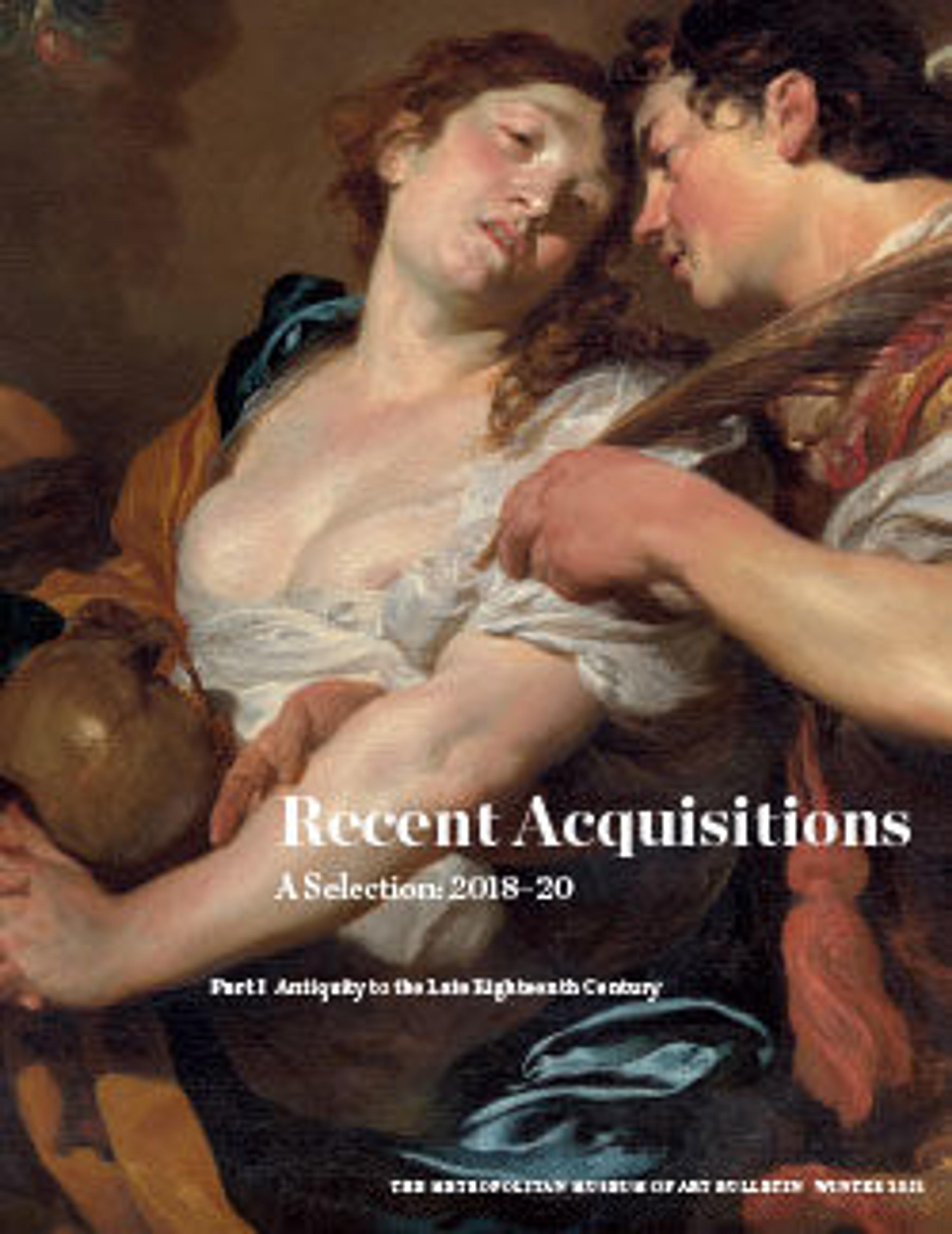 The first of a special two-part edition of Recent Acquisitions, this Bulletin celebrates works acquired by the Museum in 2019 and 2020, many of which were gifts bestowed in honor of the Museum’s 150th anniversary year. Highlights of this volume include a sumptuous set of handscrolls depicting The Tale of Genji, a second-century Roman wellhead, a drawing of a landscape by French artist Claude Lorrain, and nearly one hundred Indian paintings. This publication also honors the many generous contributions from donors that make possible the continued growth of The Met's collection.Download PDFFree to download
 Download PDFFree to download
 Download PDFFree to download
 Every two years the fall issue of The Met's quarterly Bulletin celebrates notable recent acquisitions and gifts to the collection. Highlights of Recent Acquisitions 2020–2022 include the Mantuan Roundel by Gian Marco Cavalli, a recently rediscovered tour de force from the early Renaissance; the archive of photographer James Van Der Zee, one of the most celebrated chroniclers of Black life in New York City during the Harlem Renaissance; a pair of sculptures by the renowned contemporary American artist Robert Gober; Thomas Sully’s magisterial portrait of Queen Victoria; and Poussin’s Agony in the Garden, one of only two accepted works by the artist in oil on copper. This publication also honors the many generous contributions from donors that make possible the continued growth of The Met collection.Download PDFFree to download
 Every two years the fall issue of the Met's quarterly Bulletin celebrates notable recent acquisitions and gifts to the collection. Highlights of Recent Acquisitions 2016–2018 include The Battle of the Little Bighorn by Standing Bear, a Lakota artist who fought in that famous conflict as a young man; Riverbank, an exceedingly rare Chinese landscape from the tenth century; Francesco Salviati’s recently rediscovered portrait of the Florentine doctor Carlo Rimbotti;, and examples of a Qur’an and a Hebrew Bible from medieval Spain. This publication also honors the many generous contributions from donors that make possible the continued growth of the Met's collection.Download PDFFree to download
 Download PDFFree to download
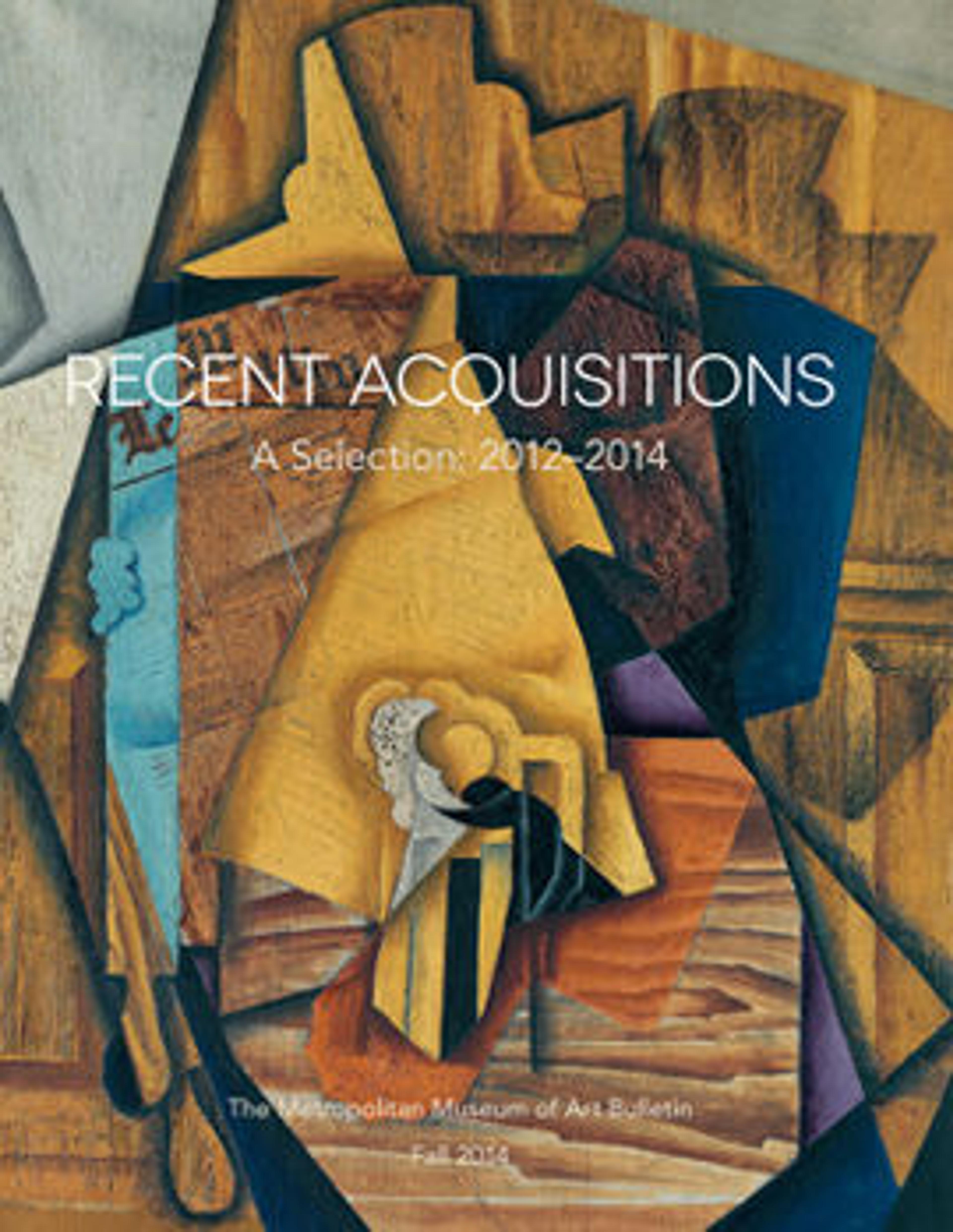 Every two years the fall issue of the Met's quarterly Bulletin celebrates notable recent acquisitions and gifts to the collection. Highlights of Recent Acquisitions 2012–2014 includes the promised gifts of the Leonard A. Lauder Cubist Collection; the lavishly illustrated manuscript known as the Mishneh Torah, by celebrated medieval philosopher Moses Maimonides; paintings by turn-of-the-century Symbolists Ferdinand Hodler and Vilhelm Hammershøi; a superb viola by Jacob Stainer, whose instruments were favored by the Bach and Mozart families; and a magnificent Roman porphyry vessel that is one of the finest to survive from Classical antiquity. This publication also honors the many generous contributions from donors that make possible the continued growth of the Met's collection.Download PDFFree to download
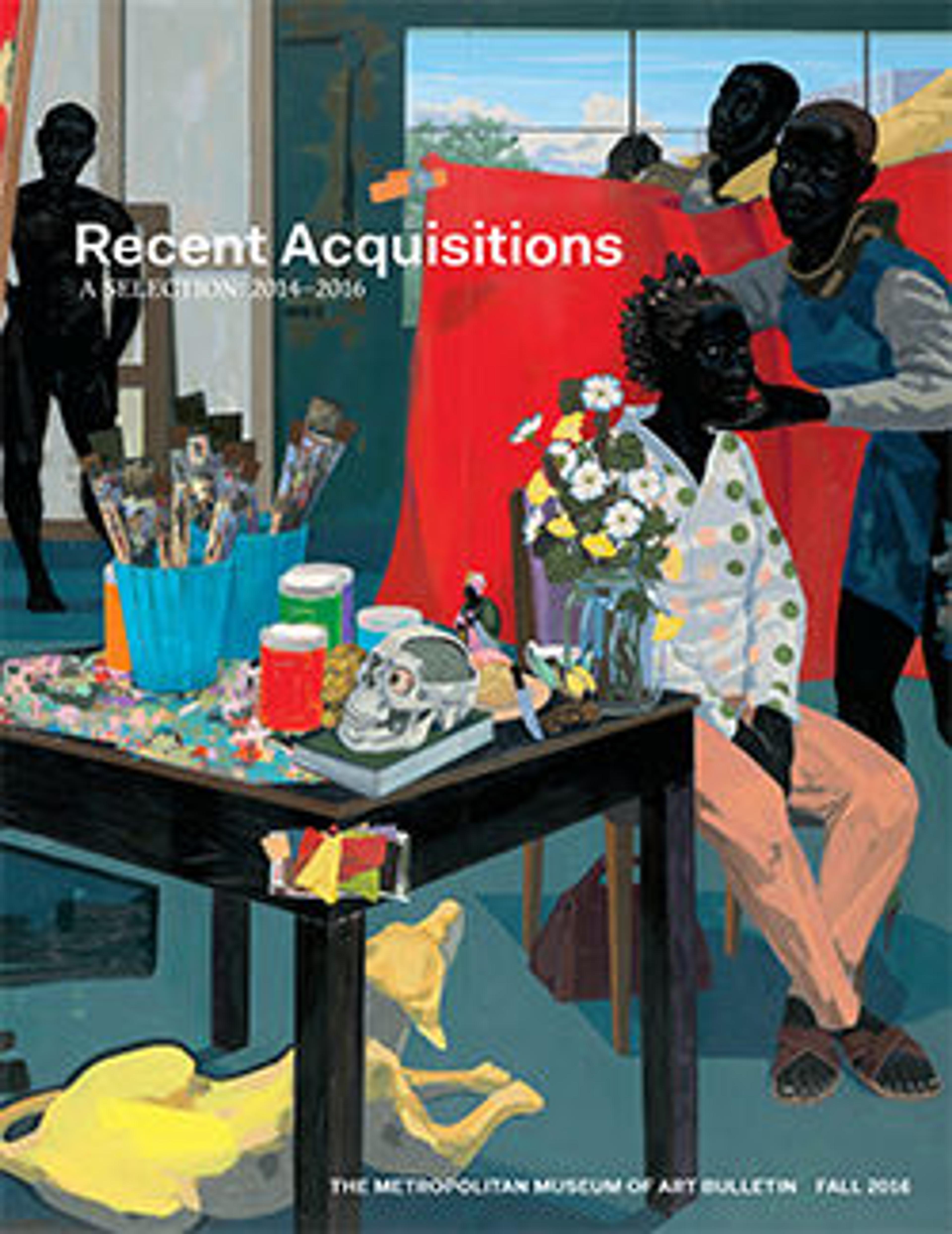 Every two years the fall issue of the Met's quarterly Bulletin celebrates notable recent acquisitions and gifts to the collection. Highlights of recent acquisitions from 2014–2016 include Charles Le Brun's Everhard Jabach (1618–1695) and His Family, a donation of nearly 1,300 works of art from East and South Asia, three hundred masterpieces of Japanese Art from the Mary and Jackson Burke Foundation, more than two hundred works by American photographer Irving Penn, and Untitled (Studio) by Kerry James Marshall among many others. This publication also honors the many generous contributions from donors that make possible the continued growth of the Met's collection.Download PDFFree to download