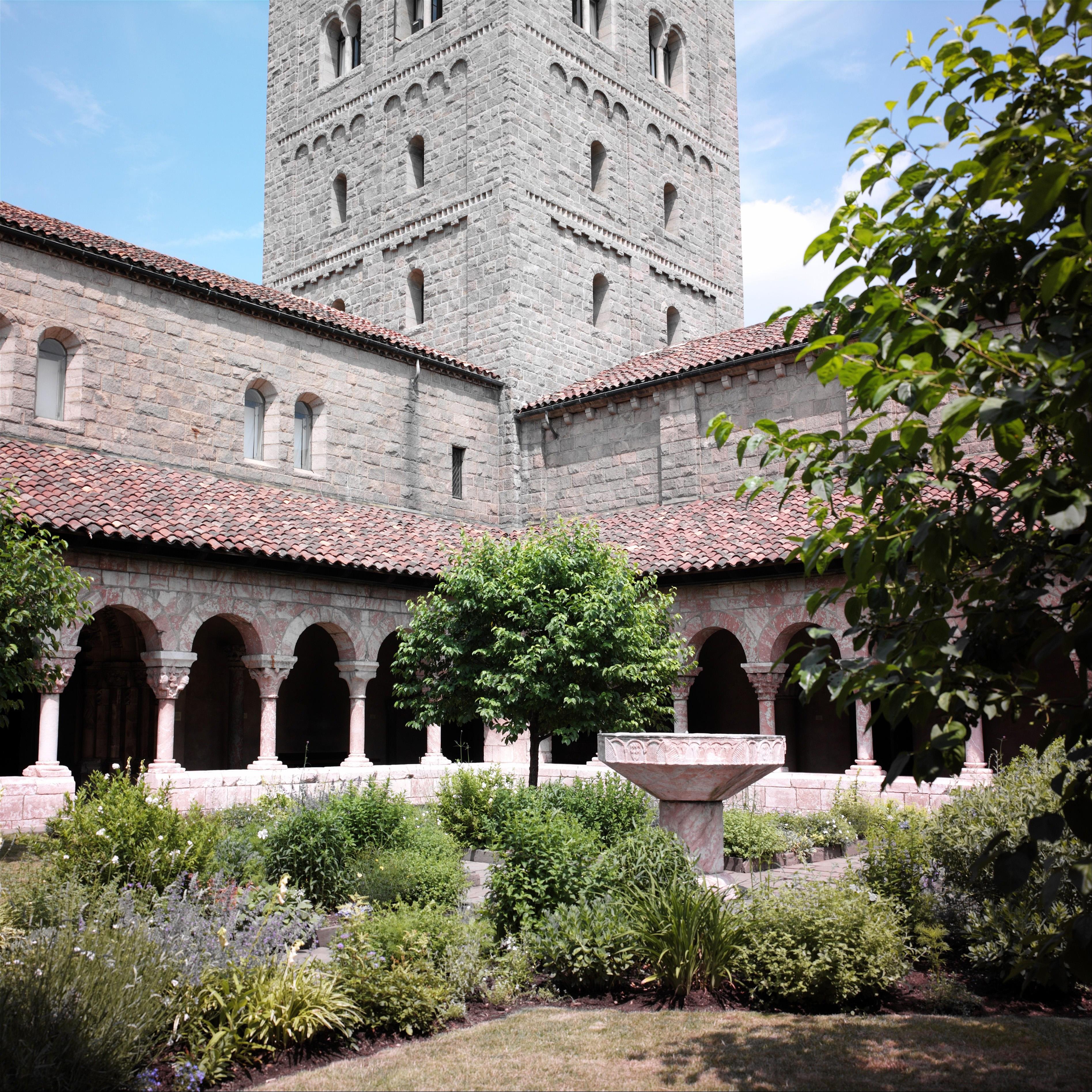
Cuxa Cloister, ca. 1130–40. Made in present-day France. Catalan. Marble, 90 ft. x 78 ft. (2,743 x 2,377 cm). The Metropolitan Museum of Art, New York, The Cloisters Collection, 1925 (25.120.398–.954)
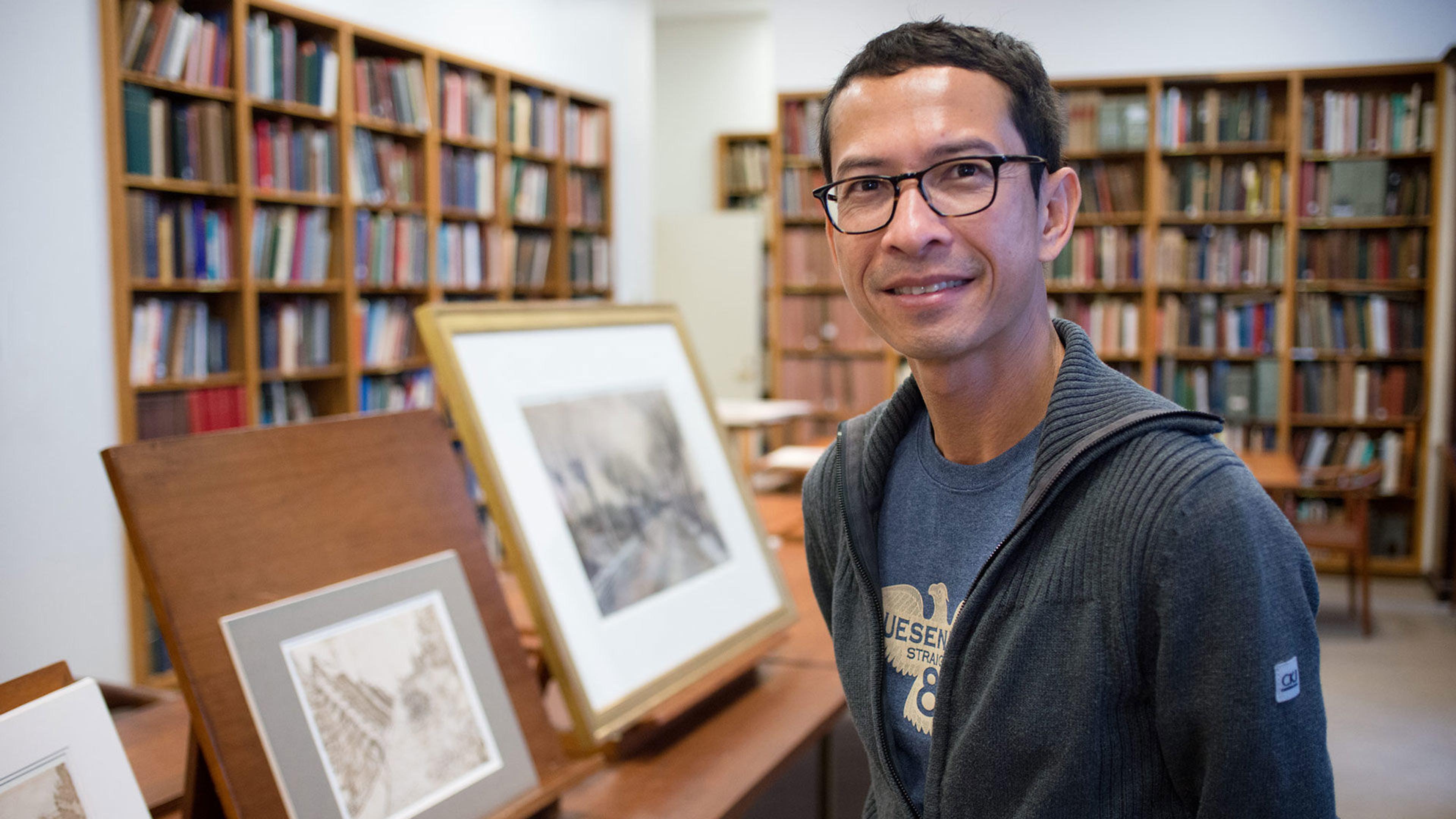
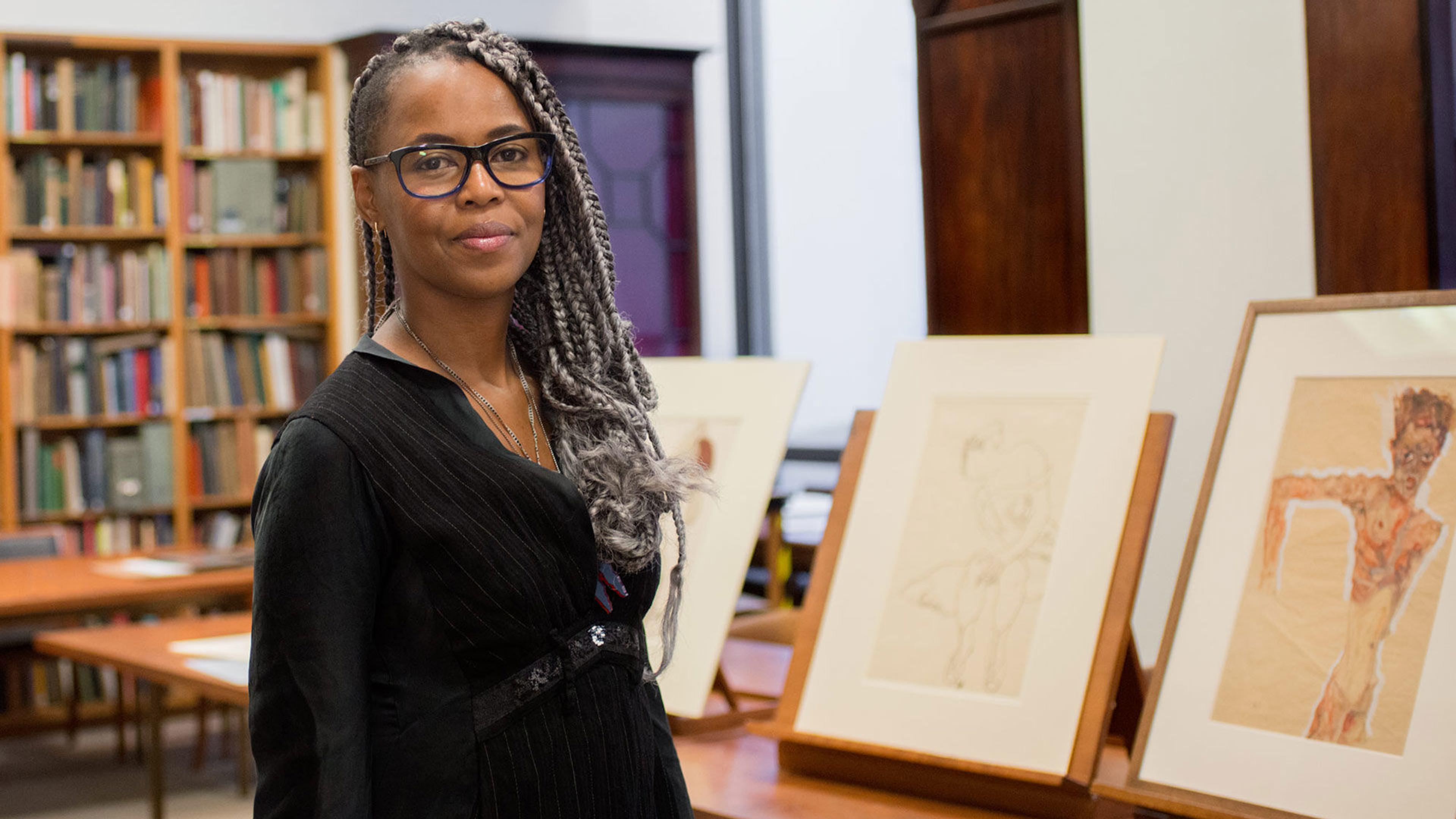
My name is Martha Rosler and I'm an artist.
I have always gone to The Met to sit and think and look at work. But The Cloisters is, in itself, a work of art. Even the name: it's cloistered, it's set apart, it is self-enclosed. It's like another world floating in the clouds. And I'm from Brooklyn—it might as well have been in the clouds.
In those days Brooklyn was nowheresville. It was where you wanted to get away from, toward high culture. And what could be higher than way up at the top of Manhattan, in a medieval setting?
My first exposure to The Cloisters was in the early sixties when the medieval world was very much upon us in New York. Monotonal music was important and much medieval representation suggested the flatness we were taught to seek in Abstract Expressionist painting, which was what I was doing as a student. And it was immensely satisfying, the way that edges and corners were dealt with, versus centrality. For example, this millefleur background, where everything is clear and individual, forms a whole field of representation with potentially limitless boundaries. But also, it opened the space for the forbidden, which is narrativity.
As a first-generation Brooklyn Jew I was trying to see where I fit in that story. I had a religious upbringing and the only way to really understand Christianity without feeling alienated or overwhelmed by it was to look at its representations.
Medievalism was a way to think about roots, origins, and community. Tapestries were produced by crews of artisans working together to produce a communal product. So they're artists producing in a humble, as opposed to genius, way. What we projected onto the medieval world most distinctly wasn't there, which was simplicity and harmony. We were craving that after World War II and the fifties and McCarthyism, and a realization that civil rights were only enjoyed by white people. Looking at a world where those things appeared to be under control was reassuring.
So I love The Cloisters for their retreat quality, but it's not a spa! You go there to be exposed to ideas. The great chain of being is apparent in the works there, and I would hope that's what we want from art.