Search the collection

Filter By

Object Type / Material
Geographic Location
Department
Date
Show Only:
  • As part of the Met's Open Access policy, you can freely copy, modify and distribute this image, even for commercial purposes.
    APIPublic domain data for this object can also be accessed using the Met's Open Access API
  • Objects with changed or unknown ownership in continental Europe between 1933-1945. Learn more
Showing 3,293 results for Mahongwe-Kota artist
Sort by:
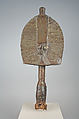
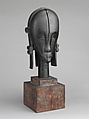
Boho na bwete (face of the ancestor), Mahongwe-Kota artist, Wood, copper alloy sheet, copper alloy sheet-wire filaments, copper-alloy wire, iron and copper-alloy nails, Kota peoples, Mahongwe group
Mahongwe-Kota artist
1879–early 20th century
Reliquary, Kota artist, Wood, cane, pigment, raffia palm, leaves, copper alloy, resin, primate skull, spire shell, Kota peoples
Kota artist
19th–first half of 20th century
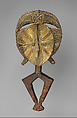
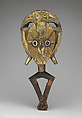
Mbulu ngulu (image of the dead), Obamba(?)–Kota artist, Wood, copper alloy, iron, Kota peoples
Obamba(?)–Kota artist
Late 19th–early 20th century
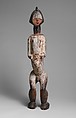
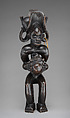
Reliquary figure, Mbete-Kota artist, Wood, pigment, metal, cowrie shells, Kota peoples, Mbete group
Mbete-Kota artist
19th century
Sculptural Element from a Reliquary Ensemble, Obamba-Kota artist, Wood, brass sheets, brass and copper sheet-wire filaments, bone, brass nails, iron nails, Kota peoples, Obamba group
Obamba-Kota artist
late 19th–early 20th century
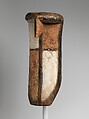
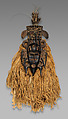
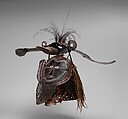
Mvudi (mask), Aduma or Mbete-Kota artist, Wood, pigment, kaolin, Aduma peoples
Aduma or Mbete-Kota artist
19th–first half of 20th century
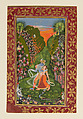
Bata (ram) mask for a beete performance, Kwele artist, Wood, pigment, kaolin, Kwele peoples
Kwele artist
19th–first half of 20th century
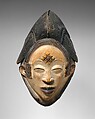
Mukudj (mask), Punu artist, Wood, pigment, kaolin, Punu
Punu artist
mid-19th–mid-20th century
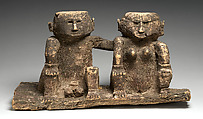
Ana deo (ancestral couple), Nage artist, Wood, Nage
Nage artist
late 19th–early 20th century
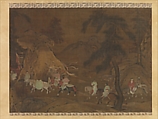
Emperor Xuanzong's flight to Shu, Unidentified artist Chinese, active mid-12th century, Hanging scroll; ink, color, and gold on silk, China
Unidentified artist
mid-12th century
Dance crest, Ejagham artist, Wood, animal hide, cane, iron, pigment, bone or ivory, Ejagham peoples
Ejagham artist
19th–mid-20th century
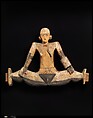
Mwanangana (lord of the land) playing a sanza, Chokwe artist, Wood (uapaca), cloth, plant fiber, beads, dye, resinous coating, Chokwe
Chokwe artist
19th century (before 1869)
Kpeliye’e headdress, Senufo artist, Wood, horns, quills, raffia fiber, cotton cloth, feathers, metal, applied organic materials, Senufo
Senufo artist
19th–mid-20th century
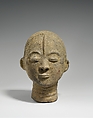
Nsodie (memorial head), Akan artist, Terracotta, Akan
Akan artist
17th–mid-18th century
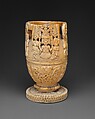
Lidded Vessel, Yoruba artist, Ivory, wood or coconut-shell inlay, Yoruba peoples, Owo group
Yoruba artist
17th–18th century
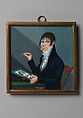
Self Portrait, Unknown Artist, Watercolor on ivory
Unknown Artist
ca. 1800–1805
Hazomanga finial, Sakalava artist, Katrafay wood (Cedrelopsis grevei), pigment, Sakalava
Sakalava artist
17th–late 18th century
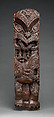
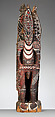
Dilukai (gable figure), Belauan artist, Wood, paint, Belauan
Belauan artist
late 19th–early 20th century
Elephant Fight, the Kota Master  Indian, Opaque watercolor, ink and gold on paper, India, Rajasthan, Kota
the Kota Master
ca. 1655–60
Maharao Madho Singh Hunting Wild Boar, the Kota Master  Indian, Opaque watercolor, gold and tin on gold paper, India, Rajasthan, Kota
the Kota Master
ca. 1720
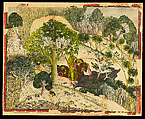
Radha and Krishna Walk in a Flowering Grove
 (recto); Krishna Fluting (verso), the Kota Master  Indian, Ink, opaque watercolor, and gold on paper, India (Rajasthan, Kota)
the Kota Master
ca. 1720 (recto); ca. 1750–75 (verso)
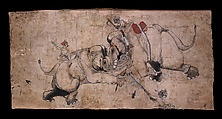
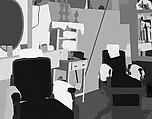
Barber Shop (1936), Kota Ezawa  German, Chromogenic transparency
Kota Ezawa
2004
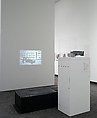
The History of Photography Remix, Kota Ezawa  German, 35mm chromogenic slide projection
Kota Ezawa
2004–6
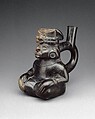
Stirrup-spout bottle with seated figure, Moche artist(s), Ceramic, Moche
Moche artist(s)
200 CE–500 CE
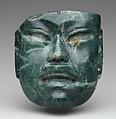
Face, Olmec artist(s), Jadeite, Olmec
Olmec artist(s)
900–400 BCE
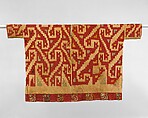
Shirt, Moche artist(s), Camelid hair, cotton, Moche
Moche artist(s)
500–850 CE
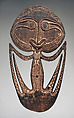
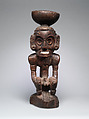
Perminangken (container for magical substances), Toba Batak artist, Wood, ceramic, Toba Batak
Toba Batak artist
19th–early 20th century
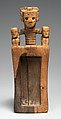
Incense burner with feline head, Tiwanaku artist(s), Ceramic, slip, Tiwanaku
Tiwanaku artist(s)
500–1000 CE
Drum, Nasca artist(s), Ceramic, slip, Nasca
Nasca artist(s)
100–400 CE
Eyema byeri (reliquary guardian figure), Okak-Fang artist, Wood, copper alloy, palm oil
Okak-Fang artist
19th century
Mirror-bearer, Maya artist(s), Cordia wood (bocote), red hematite, Maya
Maya artist(s)
410–650 CE
Poporo (lime container) with female figures, Quimbaya artist(s), Gold, Quimbaya
Quimbaya artist(s)
1–600 CE
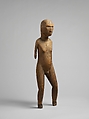
House post figure, Lake Sentani artist, Wood, Sentani people
Lake Sentani artist
19th century
Seated figure, Middle Niger artist, Terracotta, Middle Niger civilization
Middle Niger artist
13th century
Bottle in the shape of a feline, Wari artist(s), Ceramic, slip, Wari
Wari artist(s)
600–900 CE
Korwar (ancestor figure), Cenderawasih Bay artist, Wood, glass beads, Cenderawasih Bay
Cenderawasih Bay artist
late 19th–early 20th century
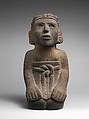
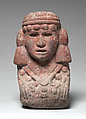
Chalchiuhtlicue, Mexica artist(s), Basalt, pigment, Mexica (Aztec)
Mexica artist(s)
1325–1521 CE
Nlô byeri (reliquary guardian head), Betsi-Fang artist, Wood, copper alloy, palm oil, Fang-Betsi
Betsi-Fang artist
19th century
Whistling vessel, Maya artist(s), Ceramic, Maya
Maya artist(s)
400–500 CE
Snuff tray, Tiwanaku artist(s), Wood, fiber, copper alloy, Tiwanaku
Tiwanaku artist(s)
500–1000 CE