O Templo de Dendur estará fechado na terça-feira, 9 de junho, e na quinta-feira, 11 de junho.

Planeje sua visita
Estamos a trabalhar para traduzir esta página o mais rapidamente possível. Obrigado pela vossa compreensão.

Search for Art

1-42 of 100 results for chinese screen
Sort by:
Show only
Images
Date
For BCE dates, enter a negative number. E.g. For 2000 BCE, enter -2000.
Artist / culture
Object type / material
Match
 
Show results matching
selected filters.
Geographic location
Match
 
Show results matching
selected filters.
Department
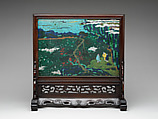
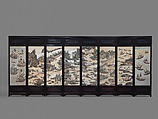
Table screen with landscape, Cloisonné enamel, wood frame and stand, China
China
second half 15th century
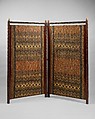
Screen, Lockwood de Forest  American, Teak, plaited matting, mixed metals, American
Designer Designed by Lockwood de Forest
Ahmedabad Wood Carving Company
ca. 1881–90
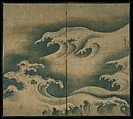
Rough Waves, Ogata Kōrin  Japanese, Two-panel folding screen; ink, color, and gold leaf on paper, Japan
Ogata Kōrin
ca. 1704–9
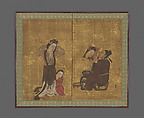
Chinese Portrait Painter, Miwa Zaiei  Japanese, Two-panel folding screen; ink, color, and gold on paper, Japan
Miwa Zaiei
18th century
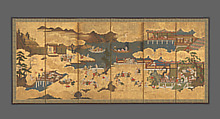
One Hundred Chinese Boys, Six-panel folding screen; ink, color, and gold on gilded paper, Japan
Japan
18th century
Screen panel, Silk, Chinese, for European market
Chinese, for European market
second half 18th century
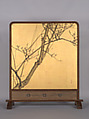
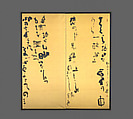
Poem in Chinese on the Theme of Plum Blossoms Reflected in Water, Matsumura Keibun  Japanese, Freestanding screen (tsuitate); ink on paper, Japan
Painting by Matsumura Keibun
Calligraphy by Rai San’yō
ca. 1823
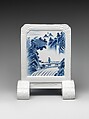
Chinese Characters in Various Scripts and Waka Poems, Horie Yorinao (Tōgen) 堀江透玄  Japanese, Six-panel folding screen; ink on paper, Japan
Horie Yorinao (Tōgen) 堀江透玄
mid-17th century
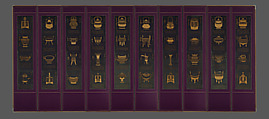
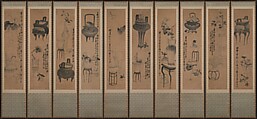
Ancient Ritual Bronzes, Ten-panel folding screen; gold silk embroidery on indigo satin, Korea
Korea
late 19th century
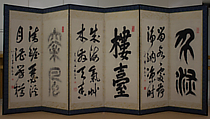
Chinese Poems and Calligraphy, Mitsui Shinna 三井親和  Japanese, Six-panel folding screen; ink on paper, Japan
Mitsui Shinna 三井親和
1779
Still life with bronze vessels and flowering plants

, Jang Seung-eop (pen name: Owon)  Korean, Ten-panel folding screen; ink on paper, Korea
Attributed to Jang Seung-eop (pen name: Owon)
1894
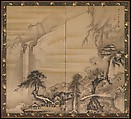
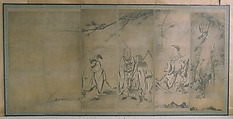
Chinese Scholar Contemplating a Waterfall, Soga Shōhaku  Japanese, Two-panel folding screen; ink and gold on paper, Japan
Follower of Soga Shōhaku
late18th–early 19th century
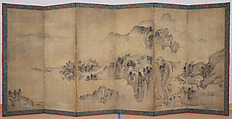
Landscape, Sesson Shūkei  Japanese, Six-panel folding screen; ink on paper, Japan
Follower of Sesson Shūkei
16th century
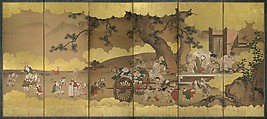
Seven Gods of Good Fortune and Chinese Children, Kano Chikanobu  Japanese, Six-panel folding screen; ink, color, and gilt on paper; Reverse side: ink, color, and gold on paper, Japan
Kano Chikanobu
17th–18th century
"Maple Bridge Night Mooring", Ike no Taiga  Japanese, Two-panel folding screen; ink on paper, Japan
Ike no Taiga
ca. 1770
Screen Panel with Lions, Birds, and Flowers, Silk and metal thread tapestry (kesi), China
China
late 16th–early 17th century
Gibbons in a Landscape, Sesson Shūkei 雪村周継  Japanese, Pair of six-panel screens; ink on paper, Japan
Sesson Shūkei 雪村周継
ca. 1570
Mother and her Children in Front of a Freestanding Screen of a Chinese Lion, Kitagawa Utamaro 喜多川歌麿  Japanese, Woodblock print (surimono); ink and color on paper, Japan
Kitagawa Utamaro 喜多川歌麿
Toriyama Sekien 鳥山石燕
Toriyama Sekichūjo 鳥山石仲女
1786
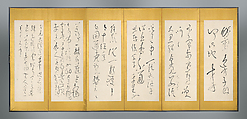
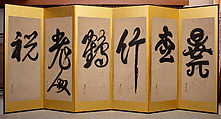
Screens with Chinese Poems, Ryōkan Taigu  Japanese, Pair of six-panel screens: ink on paper, Japan
Ryōkan Taigu
early 19th century
Anthology of Japanese and Chinese Poems (Wakan rōeishū) with Underpainting of Arrowroot Vines, Konoe Nobuhiro  Japanese, Six-panel folding screen; ink and color on gilt paper, Japan
Calligrapher Konoe Nobuhiro
Underpainting attributed to Hasegawa Sōya
early 17th century
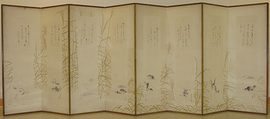
Eight Views of Xiao and Xiang Rivers, Maruyama Ōkyo 円山応挙  Japanese, Eight sheets pasted to an eight-panel folding screen; ink on paper; gold on paper, Japan
Maruyama Ōkyo 円山応挙
Calligrapher Formerly attributed to Shōkadō Shōjō 松花堂昭乗
late 18th century
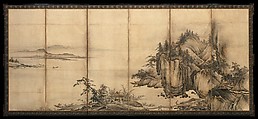
Landscape of the Four Seasons, Kano Chōkichi  Japanese, Pair of six-panel folding screens; ink and color on paper, Japan
Attributed to Kano Chōkichi
16th century
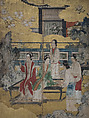
Chinese Women in a Palace Garden, Kano Eitoku  Japanese, Two panels of a folding screen, mounted as a hanging scroll; ink, color, gold, and gold leaf on paper, Japan
Formerly attributed to Kano Eitoku
late 16th century
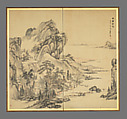
Eight Views of Ōmi (Ōmi hakkei), Soga Shōhaku  Japanese, Six-panel folding screen; ink and paper, Japan
Soga Shōhaku
ca. 1762–66
Immortals, Hasegawa Sakon 長谷川左近  Japanese, Six-panel folding screen; ink and gold on paper, Japan
Hasegawa Sakon 長谷川左近
ca. 1620s–30s
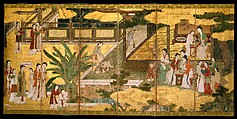
Chinese Women and Children in a Palace Garden, Kano Eitoku  Japanese, Six-panel folding screen; ink, color, gold, and gold leaf on paper, Japan
Formerly attributed to Kano Eitoku
first half 17th century
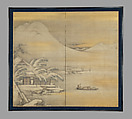
Japanese and Chinese Poems of the Four Seasons, Konoe Sakihisa  Japanese, Pair of six-panel folding screens; ink, color, and metallic pigments on decorated-paper shikishi (poetry cards) on gold leaf, Japan
Attributed to Konoe Sakihisa
late 16th–early 17th century
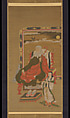
Portrait of Dengyō Daishi (Saichō), Unidentified Artist, Hanging scroll; ink, color, and gold on silk, Japan
Unidentified
early 18th century
Lake Biwa in Four Seasons, Nukina Kaioku  Japanese, Pair of six-panel folding screens; ink and color on paper, Japan
Nukina Kaioku
1834
Arrival of the Europeans, Pair of six-panel folding screens; ink, color, gold, and gold leaf on paper, Japan
Japan
first quarter 17th century
Japanese Historical Figures, Tomioka Tessai  Japanese, Pair of six-fold screens: ink and color on paper, Japan
Tomioka Tessai
ca. 1890
Bugaku Dancers, Kano Yasunobu  Japanese, Six-panel screen; ink, color, and gold on gilded paper, Japan
Kano Yasunobu
Panel, Silk, painted, Chinese, for French market
Chinese, for French market
early 18th century