
The Robert Lehman Collection
About Us
The Robert Lehman Collection is one of the most distinguished privately assembled art collections in the United States. Robert Lehman's bequest to The Met, a collection of extraordinary quality and breadth acquired over the course of sixty years, is a remarkable example of twentieth-century American collecting. Spanning seven hundred years of western European art, from the fourteenth to the twentieth centuries, the 2,600 works include paintings, drawings, manuscript illumination, sculpture, glass, textiles, antique frames, maiolica, enamels, and precious jeweled objects.
The collection of approximately three hundred paintings is particularly rich in the field of the Italian Renaissance, notably the Sienese school, as well as early Northern European works. Included in the 750 Old Master drawings ranging from the fifteenth to the twentieth centuries is a significant group of eighteenth-century Venetian works, as well as other distinguished Italian, French, and Northern European examples. The collection is also renowned in several areas of decorative arts: Renaissance maiolica, Venetian glass, and antique frames.
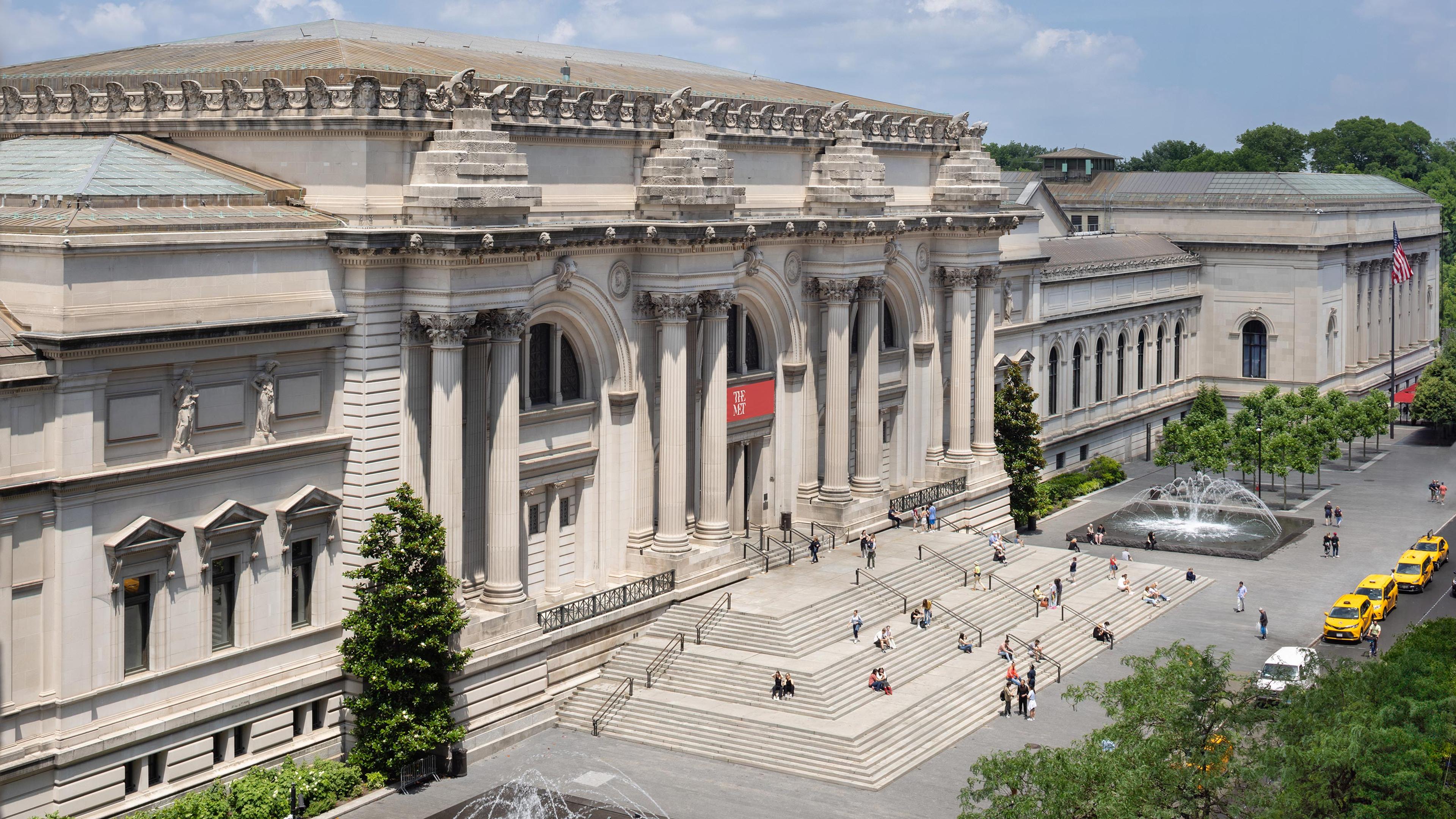
Robert Lehman's parents, Philip and Carrie Lehman, laid the foundation for the collection around 1905, when they began acquiring works of art for their recently completed townhouse on West 54th Street in New York City. Robert Lehman assembled his collection with scholarly knowledge, astute connoisseurship, and skillful negotiation of the art market. Upon his death in 1969, he bequeathed 2,600 works to The Met with the stipulation that they be exhibited as a private collection, reflecting his belief that "important works of art, privately owned, should be beyond one's own private enjoyment and [that] the public at large should be afforded some means of seeing them." A new wing, erected to display the collection, opened to the public in 1975. The Robert Lehman Wing includes a central skylit gallery surrounded by a series of rooms intended to recreate the Lehman family residence. Velvet wall coverings, draperies, furniture, and rugs evoke the ambience of private interiors and serve as a backdrop for this extraordinary collection.
Art
Giovanni Domenico Tiepolo
ca. 1770
Vincent van Gogh
1888
South Netherlandish
late 14th or early 15th century
Niccolò di Buonaccorso
ca. 1380
Francesco di Marco Marmitta da Parma
ca. 1500
Vincent van Gogh
1881
Italian
Possibly French
1499–1514
Henri de Toulouse-Lautrec
1899
Showing 8 of 98
Articles, Audio, and Video
Featured
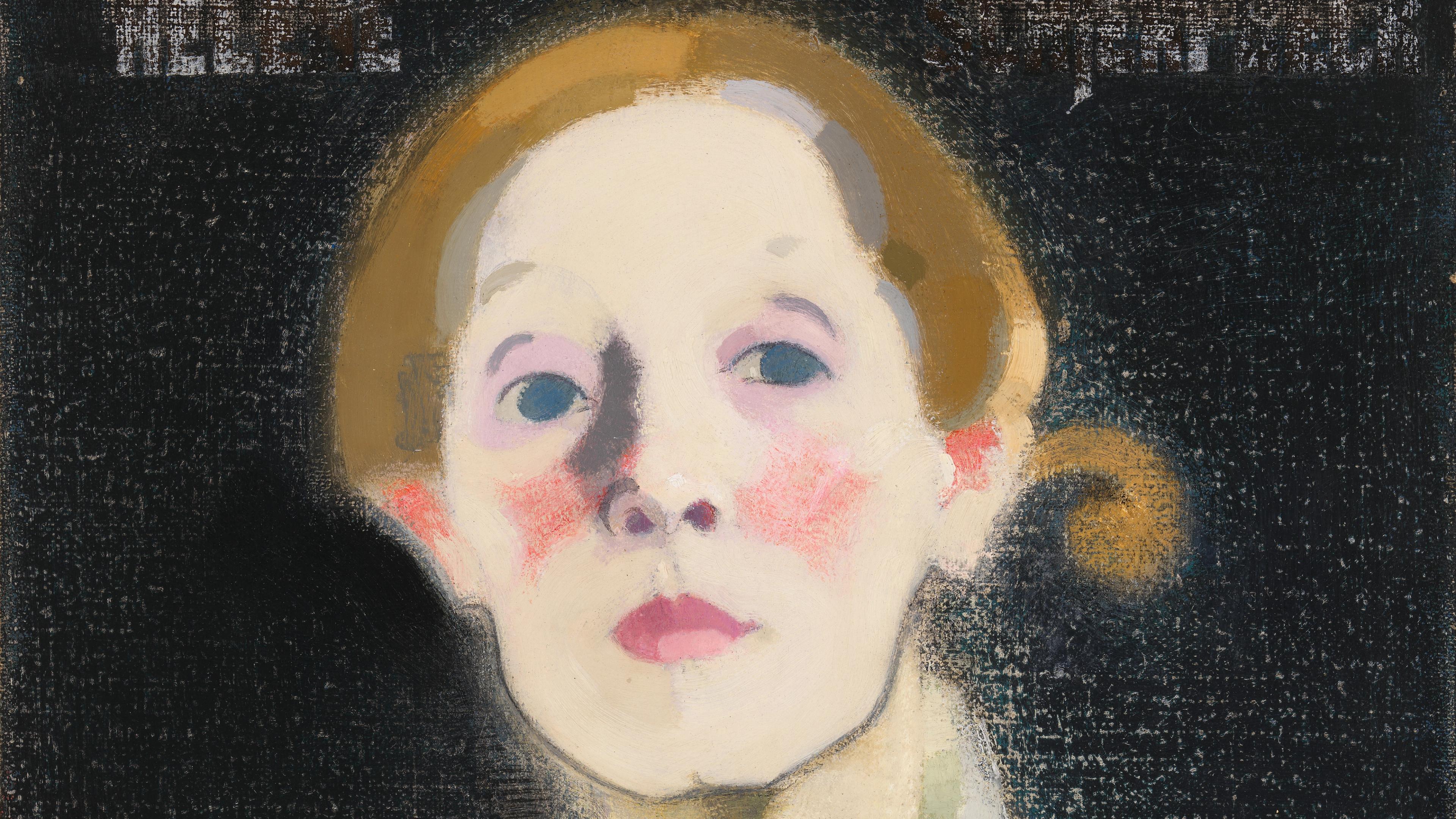
Learn about the artist’s subversive and probing representations of herself and others.
Patricia G. Berman
March 13

Video
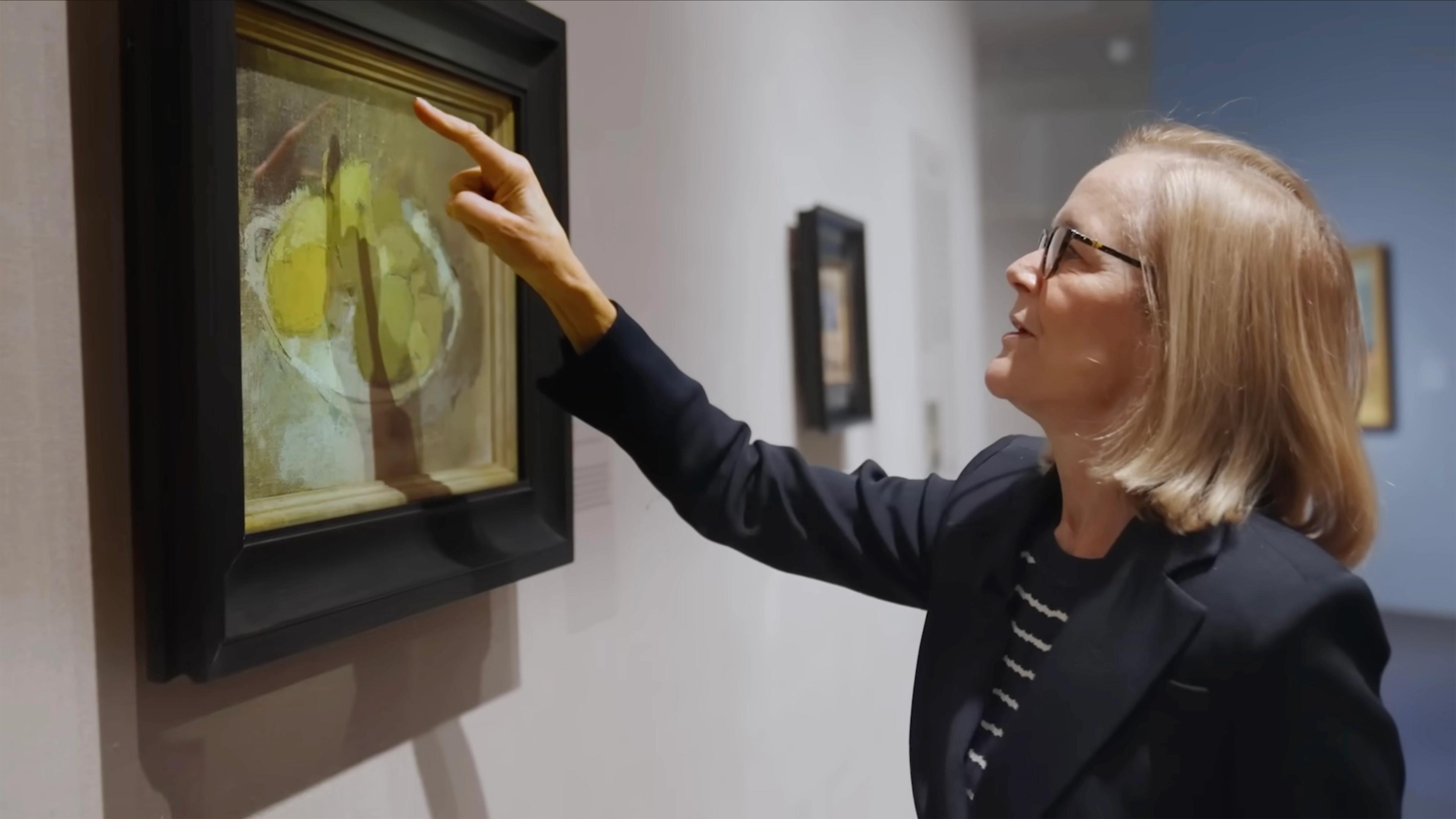
Curator Dita Amory, conservator Charlotte Hale, and scholar Patricia Berman explore Helene Schjerfbeck's artistic practice, career, and Nordic legacy.
March 8
Video
Exhibition Tours
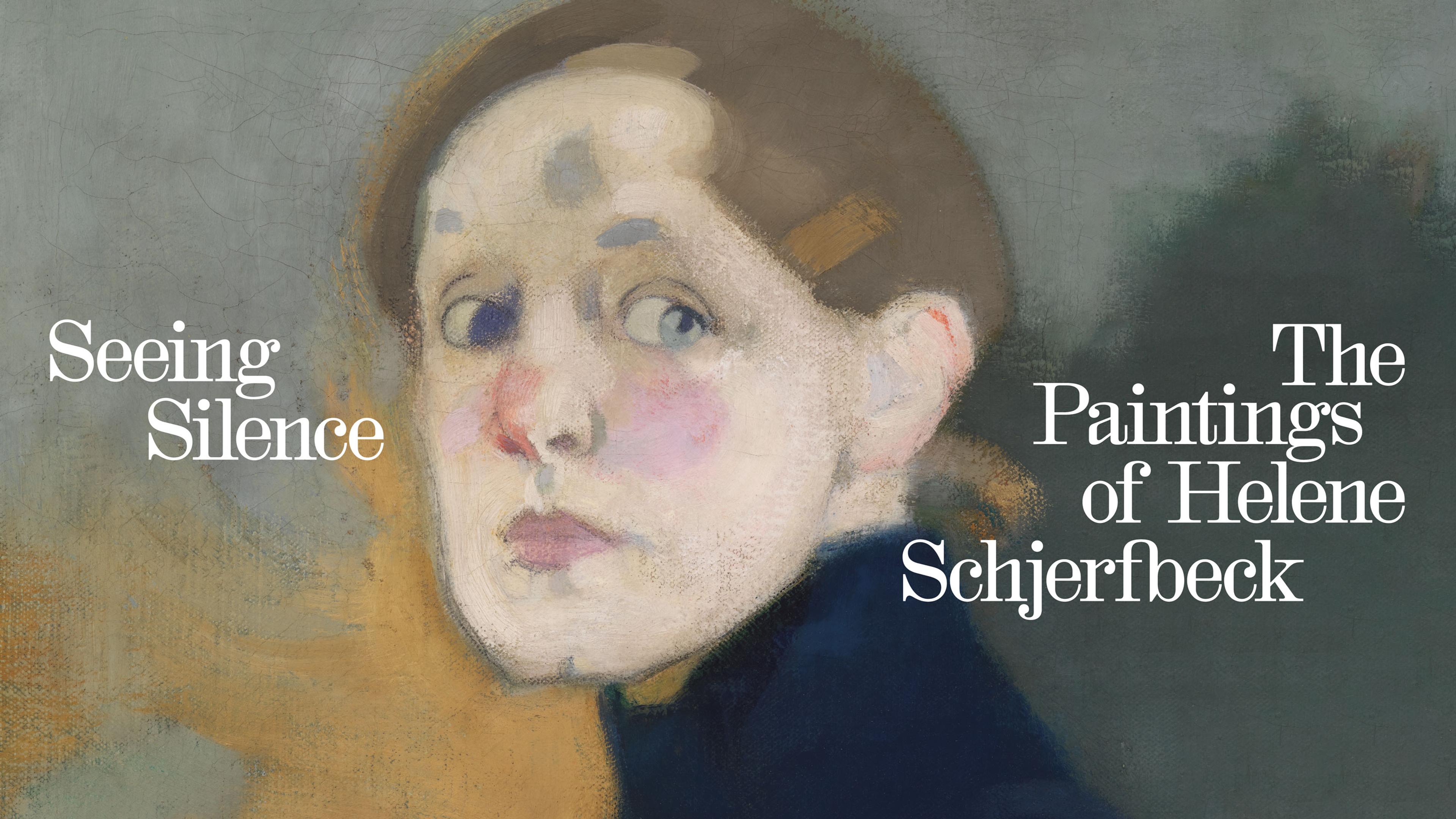
Explore Seeing Silence: The Paintings of Helene Schjerfbeck, the first exhibition of the Finnish modernist artist in a major United States museum.
Dita Amory and Max Hollein
December 18, 2025
The Latest
- Exhibition Tours | Video
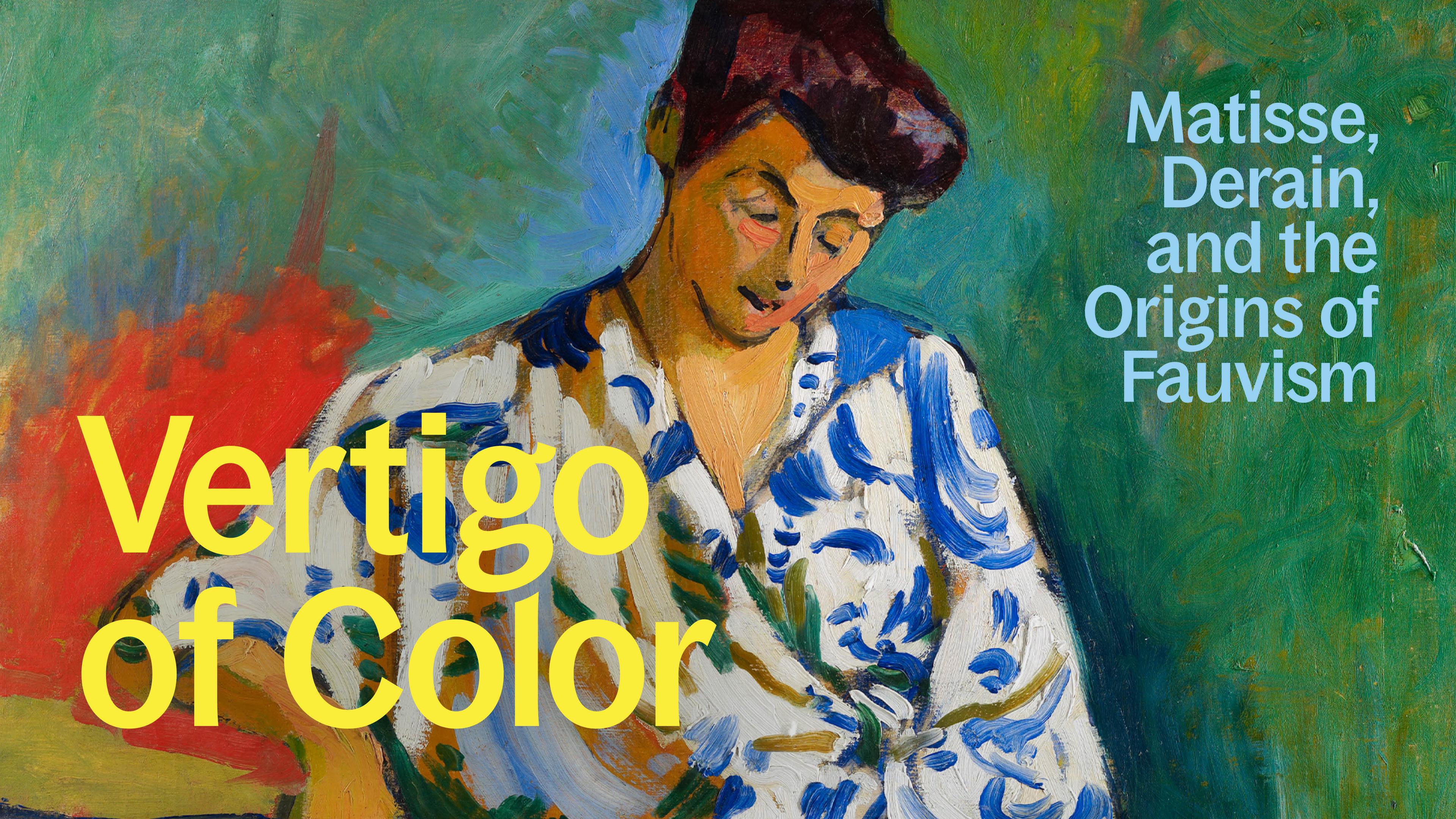
Exhibition Tour—Vertigo of Color: Matisse, Derain, and the Origins of Fauvism
Exhibitions
past