Фортепиано
Artwork Details
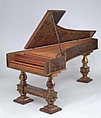
- Название: Фортепиано
- Художник: Бартоломео Кристофори, Италия, 1655–1731 гг.
- Дата: 1720 г.
- Материал: Кипарис, самшит, латунь, прочие материалы
- Размер: Длина 228,6 см
- Благодарность: Коллекция музыкальных инструментов Кросби Брауна, 1889
- Номер объекта: 89.4.1219
- Curatorial Department: Musical Instruments
Audio
945. Kids: Grand Piano
This piano may not look fancy or elegant. But it’s very important. It’s the oldest piano in the world, invented by Bartolommeo Cristofori about three hundred years ago. If you’ve played a piano or looked at one closely, you might notice that this one is different from what you’re used to. Do you know what some of the differences are? Take a peek underneath it. Unlike a modern piano, this one doesn’t have any pedals. It also has only fifty-four keys; a modern one has eighty-eight. Listen to the sound of this instrument. How is it different from the music that comes out of a modern piano?
Listen to more about this artwork
More Artwork
Press the down key to skip to the last item.
Related Content
Research Resources
The Met provides unparalleled resources for research and welcomes an international community of students and scholars. The Met's Open Access API is where creators and researchers can connect to the The Met collection. Open Access data and public domain images are available for unrestricted commercial and noncommercial use without permission or fee.
To request images under copyright and other restrictions, please use this Image Request form.
Feedback
We continue to research and examine historical and cultural context for objects in The Met collection. If you have comments or questions about this object record, please contact us using the form below. The Museum looks forward to receiving your comments.